
Arsenal 76/700 AZ2
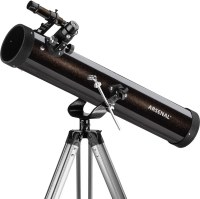 | Outdated Product Design: mirror (reflectors); Mount type: azimuth (AZ2); Lens diameter (mm): 76; Focal length (mm): 700; Max. useful magnification (x): 152; Max. resolution magnification (x): 114; Min. magnification (x): 10.8; Aperture: 1/9.2; Penetrating power: 11.9; Finder: optic; Focuser: rack; Lens Barlow (x): 2 |


We recommend products in stockTelescopes Arsenal →
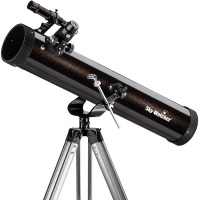
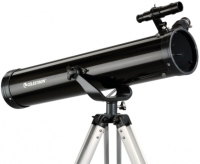
Arsenal 76/700 AZ2 | ||||||||||||||||||||||||||||||||||||||||||||||||||||||
|
| |||||||||||||||||||||||||||||||||||||||||||||||||||||

The information in the model description is for reference purposes.
Always clarify the specifications and configuration of the product with the online store manager before purchasing.
Catalog Arsenal 2026 - new arrivals, bestsellers, and the most relevant models Arsenal.
Always clarify the specifications and configuration of the product with the online store manager before purchasing.
Catalog Arsenal 2026 - new arrivals, bestsellers, and the most relevant models Arsenal.
-Price. Definitely a plus, it's challenging to find a Newton for that amount. Unfortunately, there are quite a few drawbacks. - The mediocre mount - the vertical guide started to wobble quite a bit over time, which you need to get used to. There's no smooth aiming to speak of. Additionally, the entire structure is quite flimsy - any movement near the telescope causes the image to shake, not to mention any touch. - The finder's bolts are very fragile, and one of them stripped, meaning I can't adjust its position relative to the telescope reliably. Before each observation, it needs to be realigned, and if you accidentally bump it with your hand/nose, you need to adjust it again.  Pavuk: use Arsenal 76/700 AZ2 more than year Pavuk: use Arsenal 76/700 AZ2 more than year |
Add Review
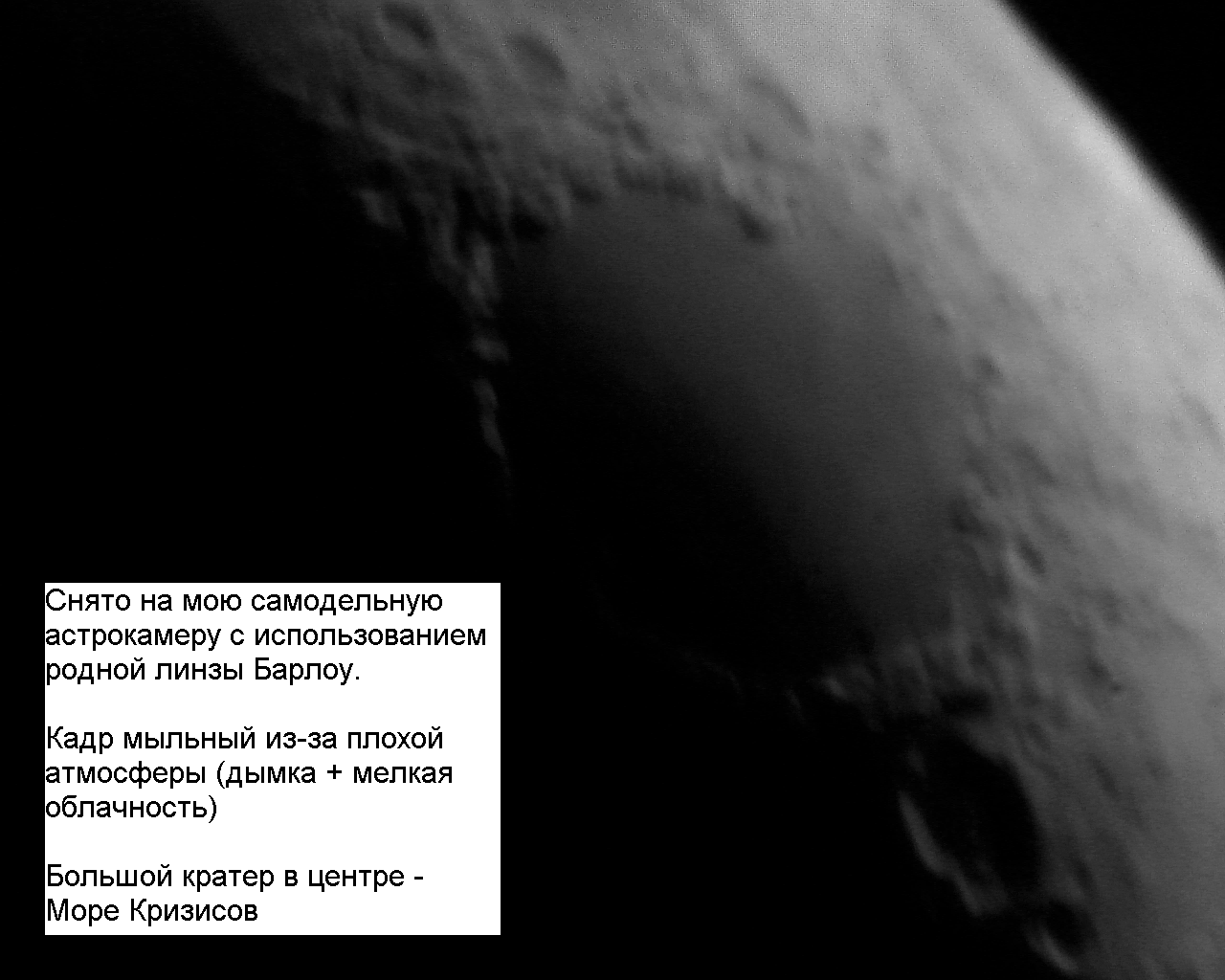
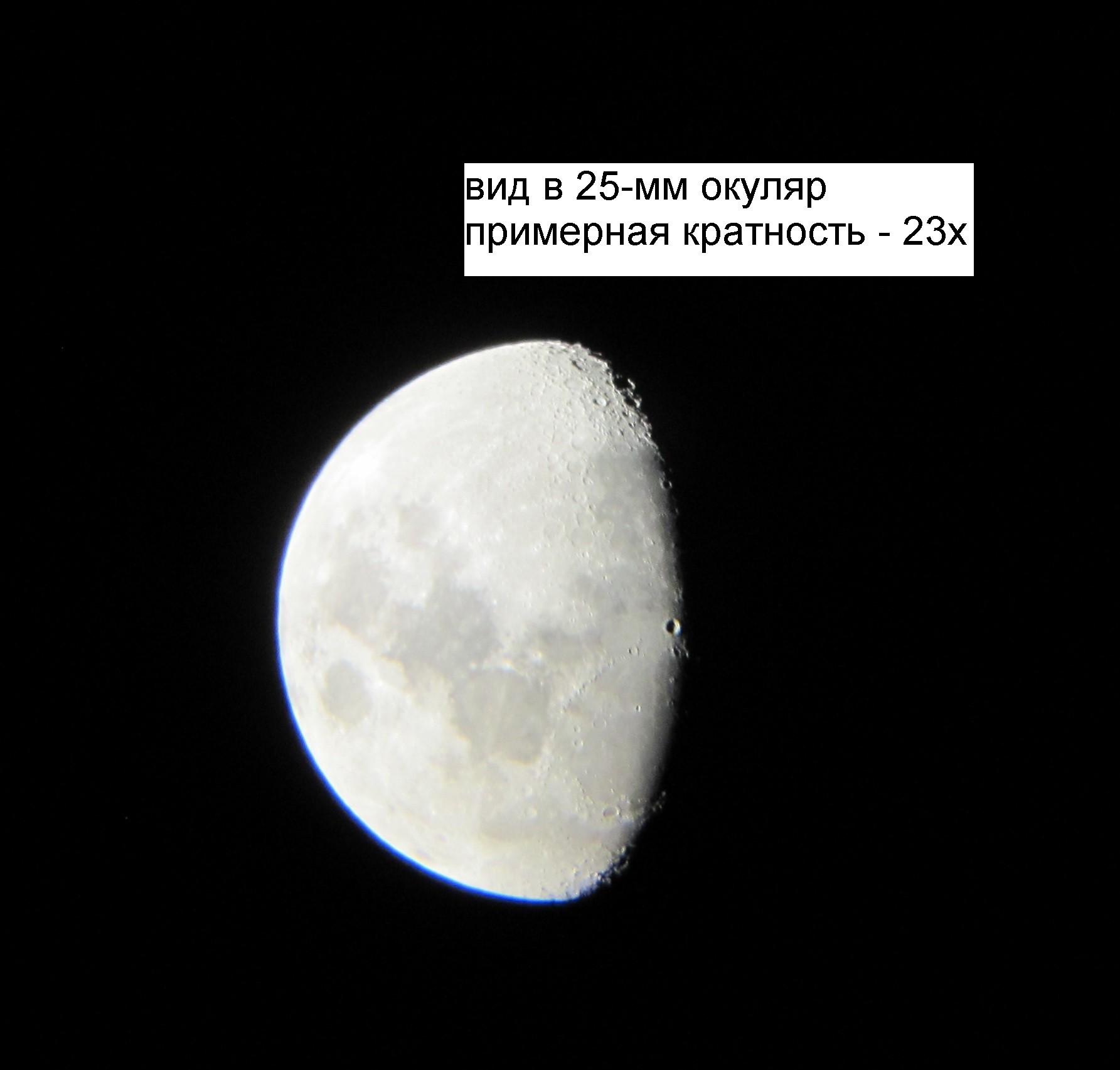
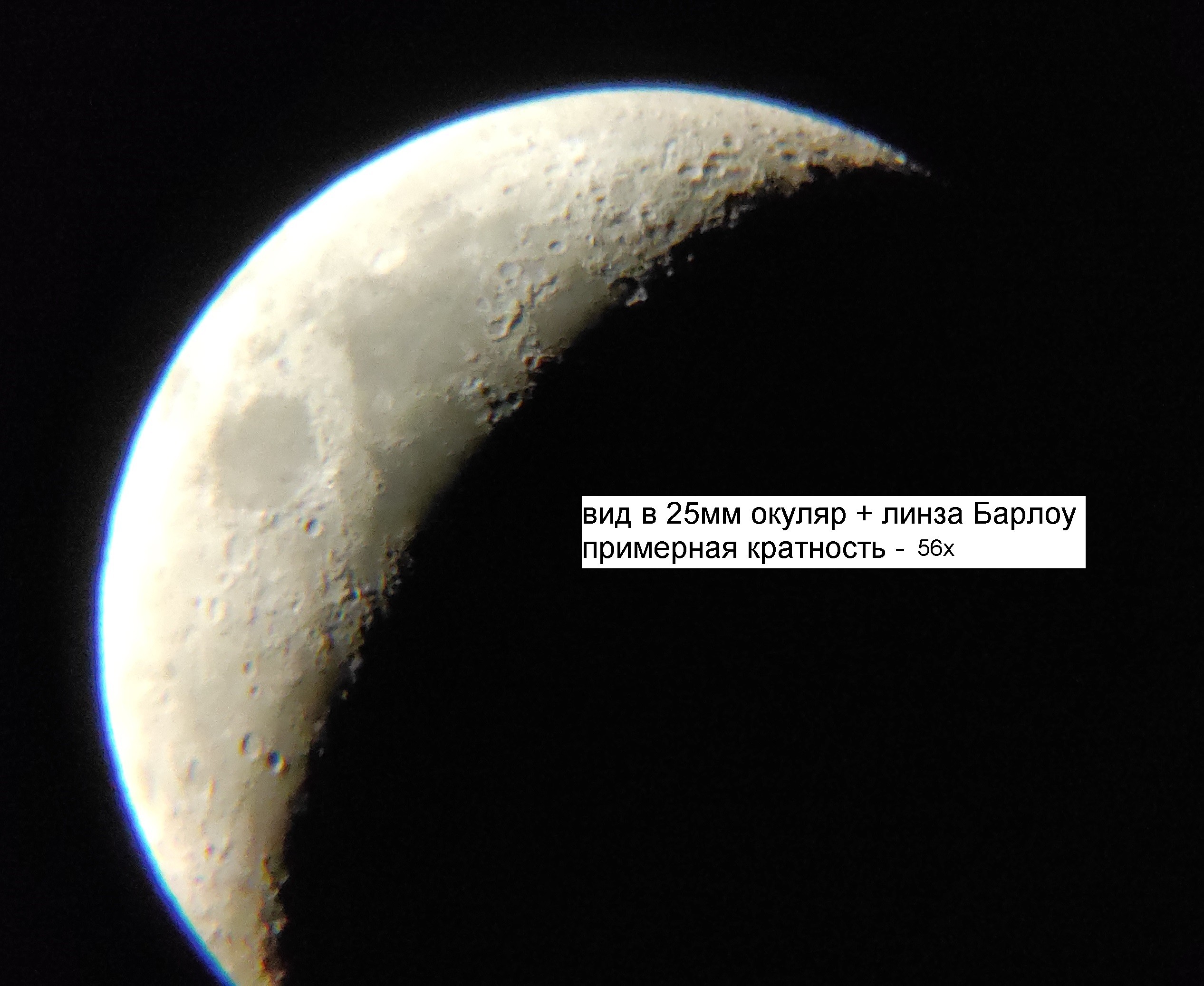
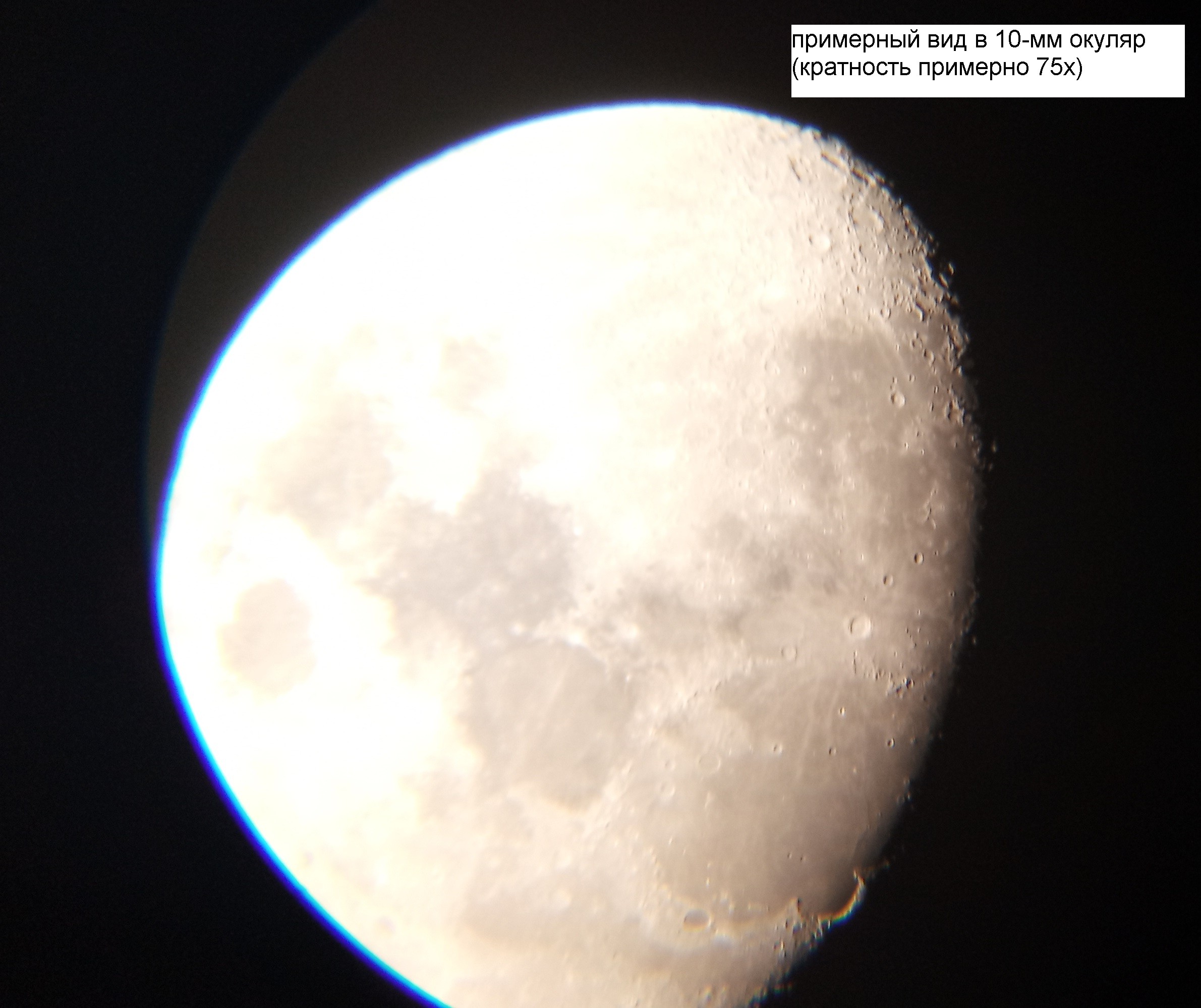
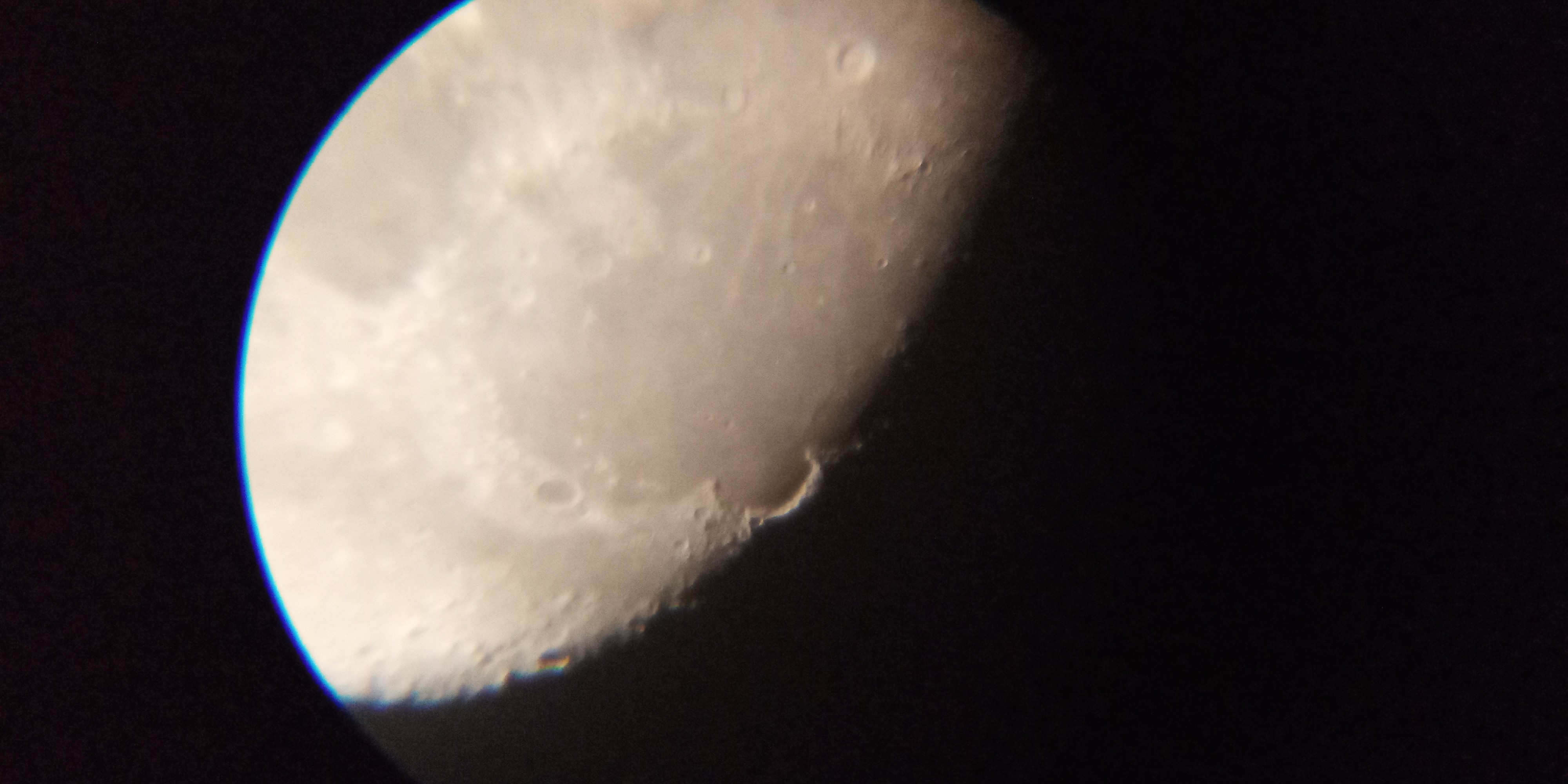
On a dark night, most of the Messier list objects are visible quite well, and in the lunar and planetary segment, the Moon, Jupiter, and Saturn are clearly visible. Unfortunately, something is off with Mars and Venus - even after collimation, their image is just terrible. It's likely a mix of astigmatism and chromatic aberration. The mirror in the telescope is spherical, and this chromatic aberration appears during any lunar and planetary observations, but not to such a significant extent.
Operation and maintenance require a bit of patience, so be prepared for minor difficulties and nuances. Also, for productive observations, it would help to have a bit of a go-getter attitude. Speaking of astrophotography, the telescope is suitable only for lunar and planetary shooting (I've attached a few of my photos below).