Yamaha P-125
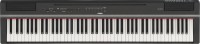 |


Yamaha P-125
Keys:88 (7.5 octaves)
Polyphony:192 voices
Mechanics:malleus
Timbres:24 pC.
Stiffness:weighted
All specifications
Specifications P-125
|
| |||||||||||||||||||||||||||||||||||||||||||||||||||||||||||||||||||||||||||||||||||


The information in the model description is for reference purposes.
Always clarify the specifications and configuration of the product with the online store manager before purchasing.
Catalog Yamaha 2026 - new arrivals, bestsellers, and the most relevant models Yamaha.
Always clarify the specifications and configuration of the product with the online store manager before purchasing.
Catalog Yamaha 2026 - new arrivals, bestsellers, and the most relevant models Yamaha.
Model overview based on user reviews
The Yamaha P-125 digital piano is praised for its great sound quality and pleasant key press, making it a popular choice for those seeking a compact piano with a fuller and richer sound. It features a strict and high-quality design and offers good functionality without unnecessary features. The piano includes an updated processor and four speakers, enhancing its sound capabilities. Users appreciate its convenient controls with all buttons easily accessible on the panel. However, some users have noted issues with uneven keys, which they feel should be of better quality given the price. Despite this, the P-125 is recommended for its superior sound compared to other models, including Yamaha's entry-level cabinet pianos. The price is a consideration, but many find the investment worthwhile for the magical sound it delivers.
Pros
Cons
I went to the store to choose a compact piano for myself. I compared different models, but in terms of sound and appearance, I liked Yamaha the most. Even the cheapest P-45 sounds better than some models from other brands with a cabinet. In the end, I spent a whole hour deciding between the P-125 and the P-45)) And for those who are wondering if it's worth paying extra for the P-125, I say, - it is! And here's why: 1. Sound! The P-125 piano sounds fuller and richer, it has an updated processor and not just 2 speakers, but 4! So objectively and audibly – the sound is really cooler! 2. More polyphony, more instruments, there is a simple auto accompaniment. 3. The P-125 has more convenient controls, all the buttons are placed on the panel, no need to remember key combinations to access the necessary functions. 4. For me, it's not critical, but the ability to connect 3 pedals. The only thing that bothered me was the price, it's significantly higher than for the P-45. But after a lot of doubt, I still decided to take the P-125. After all, its sound is just magical! I liked it even more than Yamaha's entry-level cabinet models. Brighter and more resonant, while in a cabinet, it seemed more booming. Great sound Price  Olga: use Yamaha P-125 less than month Olga: use Yamaha P-125 less than month |
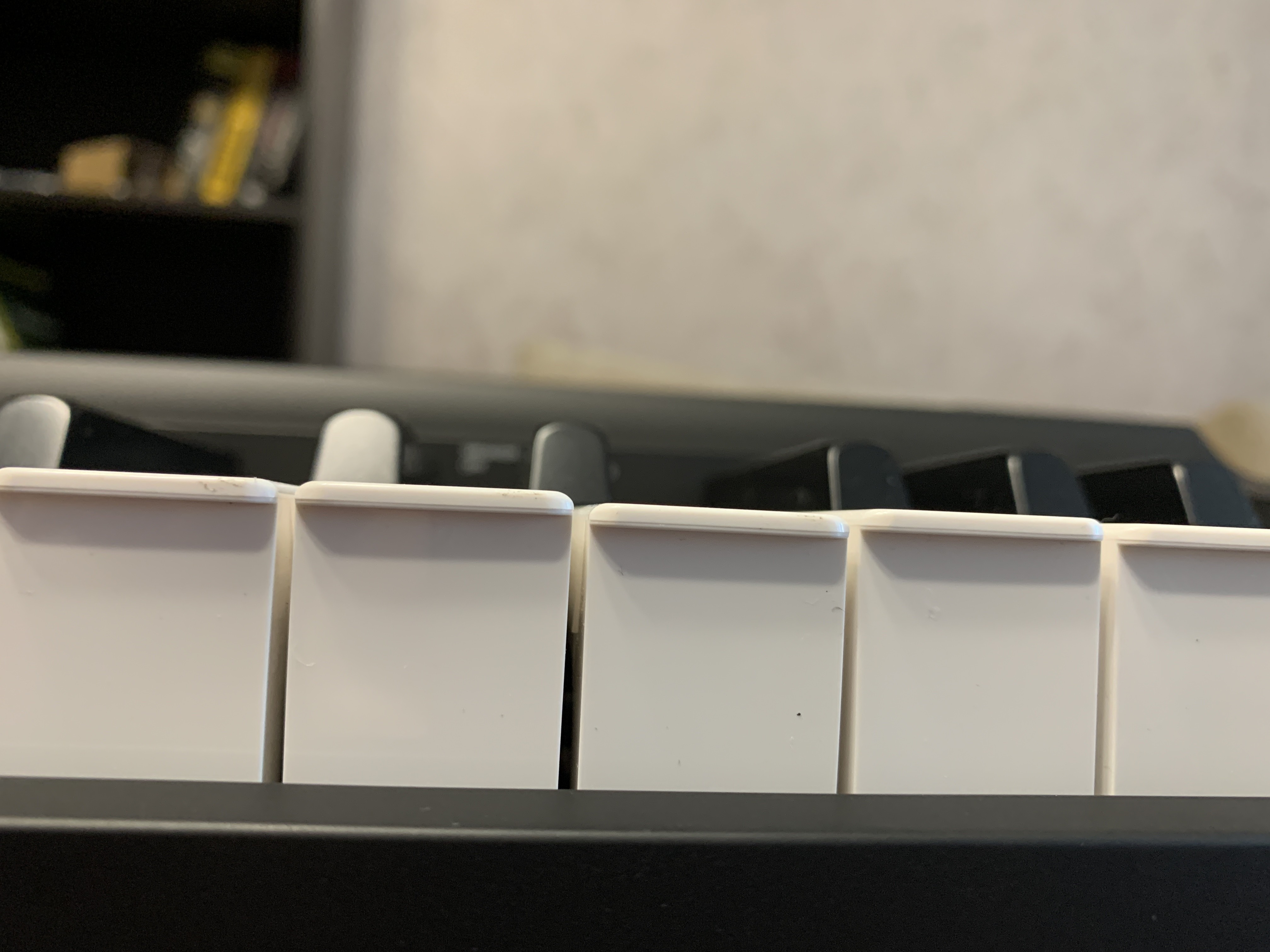
Big name, but below average quality. Good sound, considering it's for a digital keyboard (piano) Good functionality, nothing superfluous Strict and high-quality design Pleasant key press The keys are uneven, both black and white, I'm attaching some photos. If it's okay for some, it's not for me. I have a MIDI keyboard worth 10 thousand rubles, Nectar Impact GX61, and it remains straighter even after a year of playing. I still think that an instrument called a "digital piano" should have keys that are in good condition, they should at least be on par with cheaper keyboards. Sergei: use Yamaha P-125 less than month |
Add Review
Video reviews

Yamaha P125 Digital Piano Review & Demo - Very Popular, Affordable, & Stylish
25 March 2020211 839 view

Yamaha P125 vs Kawai ES110 Digital Piano Comparison, Review & Demo
28 December 2019183 884 view

Yamaha P-125, el piano digital ideal para empezar a tocar el piano | Yamaha Music
8 June 2018175 301 view
Yamaha P-125 vs DGX-670 | What are the differences?
17 February 2022166 392 view
Yamaha P125 vs Roland FP-30X Digital Piano Review - Upgraded FP-30 vs The Industry Favorite
20 August 2021135 564 view
Reasons NOT to buy a Yamaha P-125 | In the shed with... (ep#10)
17 January 202295 290 view

Yamaha P125 vs P225 | Yamaha P-Series Digital Piano Showdown | Sound, Features and Quality Demo
9 March 202476 623 view

River Flows in You by Yiruma Piano Cover (Yamaha P-125)
26 October 201958 077 view

Yamaha P125 vs Casio CDP-S350 Digital Piano Review, Comparison, & Demo
28 November 202045 754 view

Kris Nicholson Unboxing His New Yamaha P-125b Digital Piano
28 July 201933 238 view

Yamaha P125 Digital Piano Demo - "Come Together" by The Beatles
2 May 202016 760 view

Yamaha P125 - How to Split Keyboard - Bass/Piano
19 November 20207 325 view

Yamaha P125 - Review, Programming & Demonstration
4 June 20223 273 view

Comparison Talk Yamaha's P-45/P-125/P-515 | Digitalpiano.com
9 May 20223 213 view

Yamaha P125 Portable Digital Piano Unboxing and Sound Test (April 2021)
12 April 20212 913 view

Yamaha P125B - Unboxing
18 October 20222 387 view

Yamaha p125 vs Garritan CFX Grand | You won't believe the sound difference !!
2 July 20241 473 view

Yamaha Piano P-125b / P125b Electric / Digital Piano Unboxing
15 September 2020716 view

YAMAHA L-125B PIANO STAND MUSICAL UNBOXING
13 February 2023714 view

60 Second Reviews: Yamaha P-125
21 June 2021661 view

LIVE! Unboxing of my new Yamaha P-125B!
19 March 2022361 view

Unboxing of Yamaha P-125 Digital Piano - 88 Keys Complete Video
29 January 2021360 view
We recommendCompare using chart →

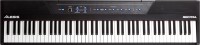
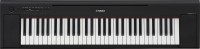

61 кл., active action, timbres: 200 шт, learning, sequencer, USB port, auto accompaniment

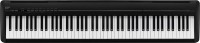
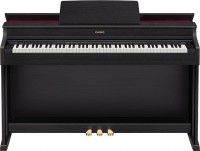
88 кл., hammer action, polyphony: 256 goal., timbres: 22 шт, sound 40 W, learning, sequencer, USB port
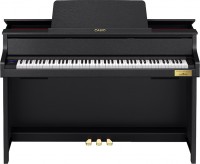
88 кл., hammer action, polyphony: 256 goal., timbres: 26 шт, sound 100 W, sequencer, USB port, auto accompaniment
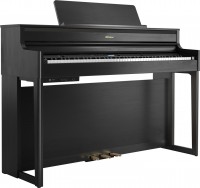
88 кл., hammer action, polyphony: 384 goal., timbres: 324 шт, sound 60 W, sequencer, USB port