
Crucial P2 CT2000P2SSD8 2 TB
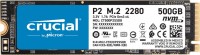 | Outdated Product Placement: internal; Volume: 2 TB; Form factor: M.2; M.2 interface: PCIe 3.0 4x; Controller: Phison PS5013-E13T; NVMe; Write speed (MB/s): 1900; Read speed (MB/s): 2400; DWPD (times/day): 0.2; Manufacturer's warranty: 5 years; TRIM; |

Crucial CT2000P2SSD8 | |||||||||||||||||||||||||||||||||||||||
| |||||||||||||||||||||||||||||||||||||||

The information in the model description is for reference purposes.
Always clarify the specifications and configuration of the product with the online store manager before purchasing.
Catalog Crucial 2026 - new arrivals, bestsellers, and the most relevant models Crucial.
Always clarify the specifications and configuration of the product with the online store manager before purchasing.
Catalog Crucial 2026 - new arrivals, bestsellers, and the most relevant models Crucial.
TLC, QLC, MLC, SLC: which type of drive memory is better?Important differences between the types of NAND memory TLC, QLC, MLC, SLC, which determine the scope of their use and development prospects
How to choose the right SSDChoosing an SSD with the required speed and good reliability for home, work and gaming
Series Crucial P SeriesCompare using chart →
1 TB, M.2, 22x80, PCIe 5.0 4x, 3D TLC NAND, write: 9500 MB/s, read: 11000 MB/s, warranty 5 years
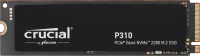
1 TB, M.2, 22x80, PCIe 4.0 4x, 3D QLC NAND, write: 6000 MB/s, read: 7100 MB/s, warranty 5 years

2 TB, M.2, 22x80, PCIe 4.0 4x, 3D QLC NAND, write: 6000 MB/s, read: 7100 MB/s, warranty 5 years
2 TB, M.2, 22x80, PCIe 5.0 4x, 3D TLC NAND, write: 8700 MB/s, read: 10000 MB/s, warranty 5 years
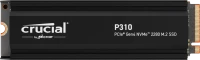
1 TB, M.2, 22x80, PCIe 4.0 4x, 3D QLC NAND, write: 6000 MB/s, read: 7100 MB/s, warranty 5 years
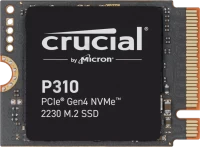
1 TB, M.2, 22x30, PCIe 4.0 4x, 3D QLC NAND, write: 6000 MB/s, read: 7100 MB/s, warranty 5 years
2 TB, M.2, 22x80, PCIe 4.0 4x, 3D QLC NAND, write: 6000 MB/s, read: 7100 MB/s, warranty 5 years
500 GB, M.2, 22x80, PCIe 4.0 4x, 3D QLC NAND, write: 3500 MB/s, read: 6000 MB/s, warranty 5 years

1 TB, M.2, 22x80, PCIe 5.0 4x, 3D TLC NAND, write: 9500 MB/s, read: 11000 MB/s, warranty 5 years
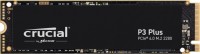
1 TB, M.2, 22x80, PCIe 4.0 4x, 3D QLC NAND, write: 3600 MB/s, read: 5000 MB/s, warranty 5 years
4 TB, M.2, 22x80, PCIe 4.0 4x, 3D QLC NAND, write: 4100 MB/s, read: 4800 MB/s, warranty 5 years
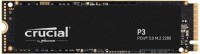
1 TB, M.2, 22x80, PCIe 3.0 4x, 3D QLC NAND, write: 3000 MB/s, read: 3500 MB/s, warranty 5 years
500 GB, M.2, 22x80, PCIe 4.0 4x, 3D QLC NAND, write: 1900 MB/s, read: 4700 MB/s, warranty 5 years
2 TB, M.2, 22x80, PCIe 4.0 4x, 3D QLC NAND, write: 4200 MB/s, read: 5000 MB/s, warranty 5 years
4 TB, M.2, 22x80, PCIe 4.0 4x, 3D QLC NAND, write: 6000 MB/s, read: 7100 MB/s, warranty 5 years
2 TB, M.2, 22x30, PCIe 4.0 4x, 3D QLC NAND, write: 6000 MB/s, read: 7100 MB/s, warranty 5 years
2 TB, M.2, 22x80, PCIe 5.0 4x, 3D TLC NAND, write: 8700 MB/s, read: 10000 MB/s, warranty 5 years

4 TB, M.2, 22x80, PCIe 4.0 4x, 3D QLC NAND, write: 6000 MB/s, read: 7100 MB/s, warranty 5 years
500 GB, M.2, 22x80, PCIe 3.0 4x, 3D QLC NAND, write: 1900 MB/s, read: 3500 MB/s, warranty 5 years
Video reviews
Crucial P2 500GB NvMe SSD Review
21 July 202052 745 view

Crucial P2 SSD Review
2 June 202041 285 view

Should I Buy The Cheaper Crucial P2 NVME SSD?
4 December 202133 899 view

CRUCIAL P2 UNBOXING AND SPEED TEST //Crucial P2 500GB NVMe PCIe M.2 SSD
10 April 202119 614 view
AMD Ryzen 5 5600G budget build - Asus Prime B550M-A - Crucial P2 - Corsair 32GB - unboxing asmr
2 September 202216 815 view

Crucial P2 NVMe M.2 SSD 1TB | CrystalDiskMark, Copying Speed, Game Load Times
23 October 20216 700 view

Unboxing Crucial P2 M.2 NVME SSD 500GB
16 August 20202 337 view

SUPERCHARGE your Hackintosh with NVME and EASILY keep your data - CRUCIAL P2 NVME SSD Review
26 June 20212 230 view

Budget NVMe M.2 SSD - Crucial P2 500GB (QLC) Unboxing & Test!
27 March 20222 128 view
Crucial P2 250GB PCIe M.2 2280 SSD || Speed Upto 2400 MB/s || NVMe (PCIe Gen 3x4) Part_-1
31 July 20211 310 view

Upgrading or Replacing Intel NUC NVME SSD - Crucial P2 1TB Unboxing and install
2 April 2021852 view

Crucial P2 NVME SSD Unboxing and first Impressions
11 August 2022235 view

Crucial P2 1TB 3D NAND NVMe M.2 SSD Unboxing | ASMR | V-Unbox
8 January 2023172 view

Crucial P2 Unbox Install and Speed Test
28 November 2022160 view
2 0 0 3 |
It turns out that in the new revisions the memory is QLC (screenshot attached). The manufacturer quietly replaced the memory after good reviews came out, as when I purchased it, it was stated everywhere that the memory was TLC. The system loads quickly, undoubtedly, but compared to the Samsung 860EVO 250GB SATA3 SSD, it performs much worse. Even when it's half full, the speed significantly drops. To back my words, there's a screenshot of the test with both drives at 76% capacity. Both are installed in different PCs and serve as system drives with Windows. It's worth considering only if you want no wires sticking out of the case or if it's not for the system. Due to the lack of cache, I would recommend either another NVME or a Samsung SATA for the system. In synthetic benchmarks like CrystalDiskMark, it's good, but synthetic tests are far from reality, much like Musk, for now, is from Mars. Price/volume ratio. Low temperatures, rarely 45, and 50 only with continuous recording or reading large volumes. NVME protocol. Speed. The manufacturer is misleading.  Ivanko: use Crucial CT1000P2SSD8 few months Ivanko: use Crucial CT1000P2SSD8 few months |
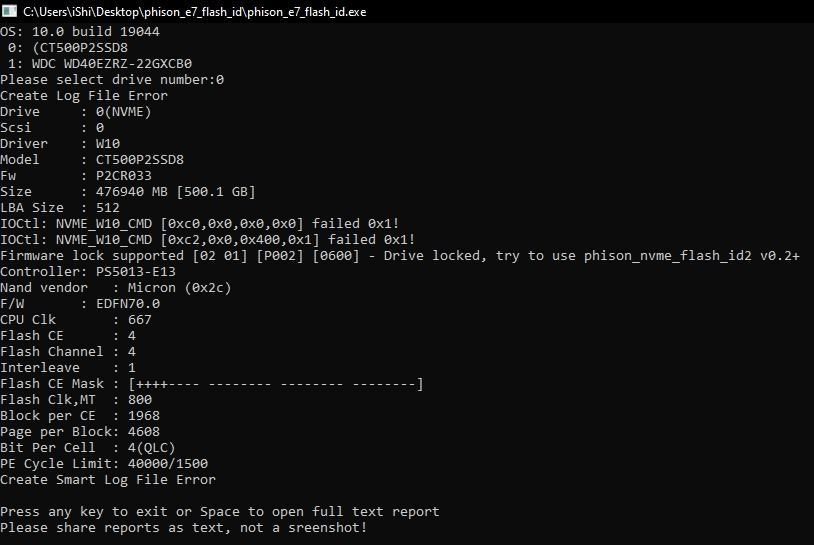
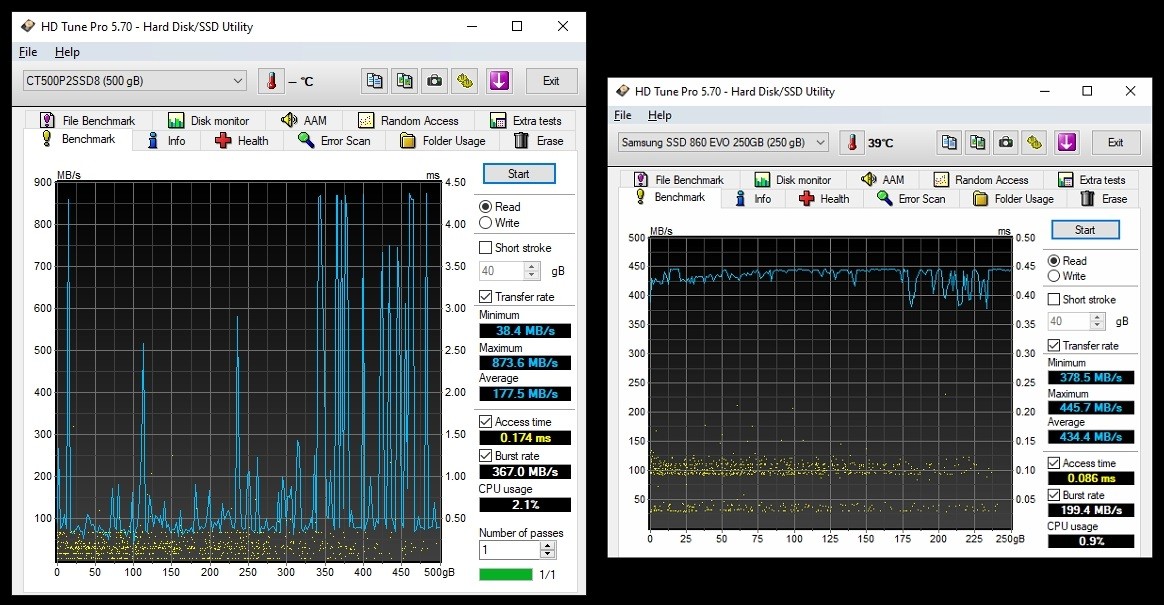
The system loads quickly, undoubtedly, but compared to the Samsung 860EVO 250GB SATA3 SSD, it performs considerably worse. There's a severe drop in speed even when the disk is only half full. To avoid being unfounded, the screenshot shows a test of both at 76% full each. They are both installed in different PCs and both serve as system drives with Windows. I would recommend purchasing only if you want a wire-free setup in the case or if it's not for a system drive. Due to the lack of cache, I would suggest going for another NVME or a Samsung SATA for the system. In synthetic benchmarks like CrystalDiskMark, it's good, but synthetic tests are as far from reality as Musk, currently, is from Mars. As we can see, the drops are worse than those of some HDDs. Under no circumstances would I recommend this. Price/volume ratio. Low temperatures, rarely reaching 45, and 50 only during continuous recording or reading of large volumes. NVME protocol. Speed Ivanko: use Crucial CT1000P2SSD8 few months |
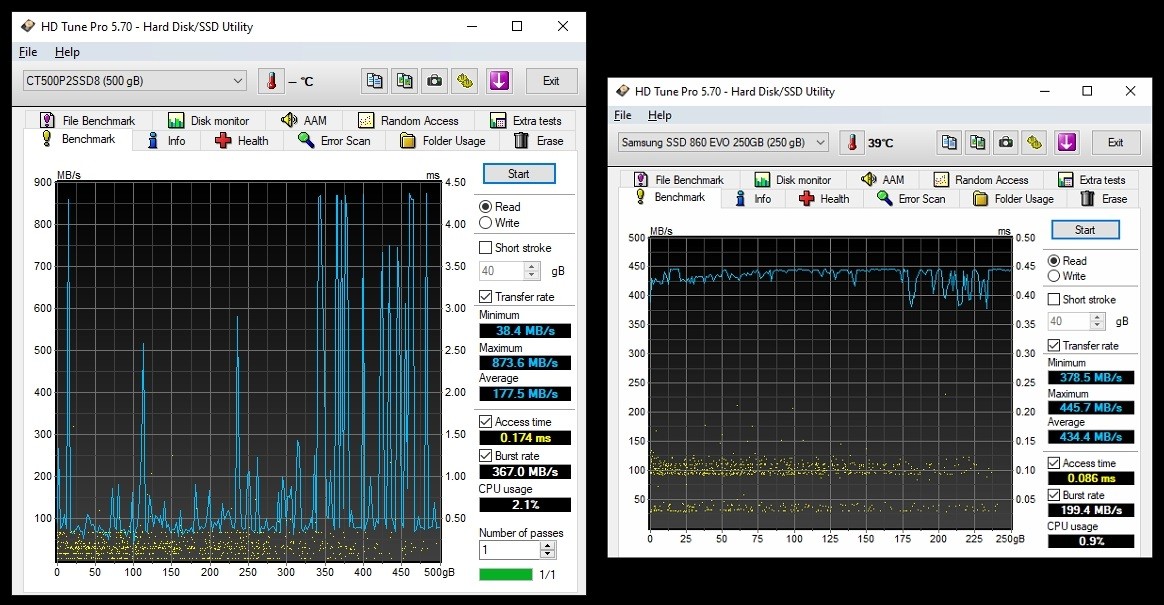
A good budget SSD. In the description they write that it is on QLC, the programs write that mine has a capacity of 250 Gb, on TLC flash. I think this QLC is used on drives with a capacity of 1TB and higher, as QLC is a flash with a higher density, and there is simply no point in making chips for 256 Gb Acceptable speed (sequential reading up to 2400 MB/s, random 4k up to 56 MB/s, higher than stated), taking into account the fact that there is no DRAM cache, and a 5-year warranty Before this drive I had an Intel 760p, so in comparison with it, CRUCIAL is hot. |
3 out of 5 user review(s) shown
2 more user review(s)
We recommendCompare using chart →
2 TB, M.2, 22x80, PCIe 4.0 4x, 3D QLC NAND, write: 4200 MB/s, read: 5000 MB/s, warranty 5 years
2 TB, M.2, 22x80, PCIe 4.0 4x, 3D QLC NAND, write: 6000 MB/s, read: 7100 MB/s, warranty 5 years

2 TB, M.2, 22x80, PCIe 5.0 4x, 3D QLC NAND, write: 9600 MB/s, read: 10000 MB/s, warranty 5 years
2 TB, M.2, 22x80, PCIe 4.0 4x, 3D NAND, write: 5200 MB/s, read: 6200 MB/s, warranty 5 years

2 TB, M.2, 22x80, PCIe 4.0 4x, 3D NAND, write: 6300 MB/s, read: 7200 MB/s, warranty 5 years

2 TB, M.2, 22x80, PCIe 5.0 4x, 3D TLC NAND, write: 8700 MB/s, read: 10300 MB/s, warranty 5 years
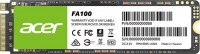
2 TB, M.2, 22x80, PCIe 3.0 4x, 3D TLC NAND, write: 2600 MB/s, read: 3150 MB/s, warranty 5 years
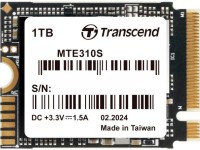
2 TB, M.2, 22x30, PCIe 4.0 4x, 3D NAND, write: 4000 MB/s, read: 5000 MB/s, warranty 5 years
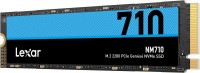
2 TB, M.2, 22x80, PCIe 4.0 4x, 3D TLC NAND, write: 4500 MB/s, read: 4850 MB/s, warranty 5 years

2 TB, M.2, 22x80, PCIe 4.0 4x, 3D NAND, write: 4200 MB/s, read: 5000 MB/s, warranty 3 years

2 TB, M.2, 22x80, PCIe 4.0 4x, 3D NAND, write: 5000 MB/s, read: 6000 MB/s, warranty 5 years

2 TB, M.2, 22x80, PCIe 4.0 4x, 3D TLC NAND, write: 6500 MB/s, read: 7400 MB/s, warranty 5 years