
Comparison Kapsen K737 205/60 R16 92V vs Premiorri Solazo 205/60 R16 92V
Add to comparison | 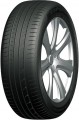 | 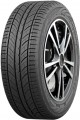 |
|---|---|---|
| Kapsen K737 205/60 R16 92V | Premiorri Solazo 205/60 R16 92V | |
| Compare prices 1 | from £128.11 | |
| User reviews | ||
| TOP sellers | ||
| Season | summer | summer |
| Product Type | passenger car / SUV | passenger car / SUV |
| Width | 205 mm | 205 mm |
| Aspect ratio | 60 % | 60 % |
| Tyre inner diameter | 16 " | 16 " |
| Load index | 92 | 92 |
| Speed rating | V | V |
| Orientation | non-directional | directional |
| Pattern Symmetry | asymmetric | symmetric |
| Fuel efficiency | D | D |
| Wet Grip | C | B |
| Noise Level | 71 dB | 70 dB |
| Added to E-Catalog | april 2019 | january 2013 |



Compare Kapsen K737 205/60 R16 92V and Premiorri Solazo 205/60 R16 92V
Price comparison
You may be interested in
Premiorri Solazo often compared

Glossary
Orientation
The shape of the tyre tread pattern:
— Directional. Pattern with a characteristic V-shape. Among other things, such rubber is considered to be especially effective on wet surfaces — in rain, on snow, with an abundance of melt water, etc.: the pattern provides effective water drainage, reducing the risk of hydroplaning and increasing grip. Also, these tyres are well suited for high-speed sports cars (although, of course, their speed rating and specialization may be different). When installing directional tyres, the direction indicated by the manufacturer must be kept.
— Symmetric. The pattern without signs of directionality is the same both on the outer and on the inner part of the tread. These tyres are easier to manufacture than directional or asymmetric tyres, and are generally cheaper, while still having good performance on a flat and dry surface. In addition, symmetric tyres are as simple as possible to install, they do not need to follow the direction. However, for hard conditions, particularly wet weather, they are poorly suited. So, typically, such tyres are designed mainly for city cars used on short trips on relatively high-quality roads.
— Asymmetric. Tyres with a different pattern inside and outside the tread. Each of these parts plays a role: the inner part provides water evacuation and reduces the risk of aquaplaning, while the ou...ter part provides the necessary rigidity for manoeuvrability and stability. While installing, you need to take into account the location of the outer and inner sides, they usually have the appropriate marking. Asymmetric tyres are considered the most advanced, although, of course, the actual characteristics and cost of such products may vary, depending on the brand and the general level. Such tyres are designed mainly for cars of medium and top levels; they are often supplied as factory equipment for advanced cars.
— Directional. Pattern with a characteristic V-shape. Among other things, such rubber is considered to be especially effective on wet surfaces — in rain, on snow, with an abundance of melt water, etc.: the pattern provides effective water drainage, reducing the risk of hydroplaning and increasing grip. Also, these tyres are well suited for high-speed sports cars (although, of course, their speed rating and specialization may be different). When installing directional tyres, the direction indicated by the manufacturer must be kept.
— Symmetric. The pattern without signs of directionality is the same both on the outer and on the inner part of the tread. These tyres are easier to manufacture than directional or asymmetric tyres, and are generally cheaper, while still having good performance on a flat and dry surface. In addition, symmetric tyres are as simple as possible to install, they do not need to follow the direction. However, for hard conditions, particularly wet weather, they are poorly suited. So, typically, such tyres are designed mainly for city cars used on short trips on relatively high-quality roads.
— Asymmetric. Tyres with a different pattern inside and outside the tread. Each of these parts plays a role: the inner part provides water evacuation and reduces the risk of aquaplaning, while the ou...ter part provides the necessary rigidity for manoeuvrability and stability. While installing, you need to take into account the location of the outer and inner sides, they usually have the appropriate marking. Asymmetric tyres are considered the most advanced, although, of course, the actual characteristics and cost of such products may vary, depending on the brand and the general level. Such tyres are designed mainly for cars of medium and top levels; they are often supplied as factory equipment for advanced cars.
Pattern Symmetry
This parameter shows how the tread pattern is arranged on the left and right sides from its center line, which in turn affects grip characteristics, water drainage, noise level, handling, and mounting features.
— Symmetrical. Symmetrical tread pattern on both sides of the center, simplifying construction and installation requirements. Such a tire is easier to mount and swap between wheels, provided it has no separate directionality (Rotation). Symmetrical tires are often chosen for calm urban and highway driving, where comfort, predictable behavior, even wear, and affordable price are important.
— Asymmetrical. An asymmetrical tire is designed for more precise tread work by dividing the inner and outer zones. The outer part is usually stiffer and bulkier to ensure the vehicle holds better in corners, while the inner part often has grooves for water drainage and stability on wet surfaces. This construction is especially useful on high-speed tires, powerful vehicles, and in variable weather conditions. The main difference from a symmetrical tire is the need to follow the Outside/Inside marking during installation.
— Symmetrical. Symmetrical tread pattern on both sides of the center, simplifying construction and installation requirements. Such a tire is easier to mount and swap between wheels, provided it has no separate directionality (Rotation). Symmetrical tires are often chosen for calm urban and highway driving, where comfort, predictable behavior, even wear, and affordable price are important.
— Asymmetrical. An asymmetrical tire is designed for more precise tread work by dividing the inner and outer zones. The outer part is usually stiffer and bulkier to ensure the vehicle holds better in corners, while the inner part often has grooves for water drainage and stability on wet surfaces. This construction is especially useful on high-speed tires, powerful vehicles, and in variable weather conditions. The main difference from a symmetrical tire is the need to follow the Outside/Inside marking during installation.
Wet Grip
An index that determines the overall performance of a tyre on wet pavement. Lettered from A(highest) to G(lowest); intermediate options, respectively — B, C, D, E and F.
The higher this indicator, the stronger the tyre grips to the wet road, the more efficient and safer it will be in difficult weather conditions. At the same time, it is worth noting that a low grip index does not mean unsuitability for driving in rain or snow — you just need to be more careful using such tyres. Conversely, a high index does not relieve the driver of the need to be careful in difficult weather conditions.
The higher this indicator, the stronger the tyre grips to the wet road, the more efficient and safer it will be in difficult weather conditions. At the same time, it is worth noting that a low grip index does not mean unsuitability for driving in rain or snow — you just need to be more careful using such tyres. Conversely, a high index does not relieve the driver of the need to be careful in difficult weather conditions.
Noise Level
The average noise level created by a tyre while driving. The lower this indicator, the more comfortable this model will be, the less additional noise it will create.
Note that EU rules provide 3 categories of tyres in terms of noise. “Quiet” are considered models with an index of up to 68 dB, “medium” — 68 – 71 dB, “loud” — 72 dB and above.
Note that EU rules provide 3 categories of tyres in terms of noise. “Quiet” are considered models with an index of up to 68 dB, “medium” — 68 – 71 dB, “loud” — 72 dB and above.