
Comparison BaByliss Beliss Big Hair 1000 AS960 vs BaByliss 2736E
Add to comparison | 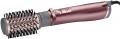 | 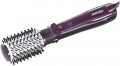 |
|---|---|---|
| BaByliss Beliss Big Hair 1000 AS960 | BaByliss 2736E | |
| Compare prices 4 | from $52.52 up to $75.96 | |
| User reviews | ||
| TOP sellers | ||
| Device | hair dryer-multistyler | brush hair dryer |
Specs | ||
| Power | 1000 W | 1000 W |
| Power/temperature regulator | joint | |
| Power modes | 2 | 2 |
| Temperature modes | 2 | 2 |
| Cold air |  | |
| Brush diameter | 20, 50 mm | 50, 20 mm |
| Coating of the heating element | ceramics | |
| Functions | ionization auto-rotation of the nozzle | ionization auto-rotation of the nozzle |
| Nozzles and accessories | concentrator 3 brushes cover/case | concentrator 3 brushes cover/case |
General | ||
| Cord twist 360° | | |
| Removable grille |  | |
| Cable length | 2.2 m | 2 m |
| Color | ||
| Added to E-Catalog | june 2021 | september 2015 |





Compare BaByliss Beliss Big Hair 1000 AS960 and 2736E
Price comparison
You may be interested in
BaByliss Beliss Big Hair 1000 AS960 often compared


BaByliss 2736E often compared


Glossary
Device
— Hair dryer. Classic hand-held hair dryers are devices that produce an intense air flow (with or without heating). Can be used for both hair drying and styling.
— Hairdryer (wall). Stationary hair dryers are wall-mounted devices that consist of the hair dryer and a wall stand. This design offers convenience, particularly in settings like beauty salons or public pool changing rooms. The stand allows users to keep the hair dryer easily accessible and frees up space on countertops or other surfaces. Additionally, the stand can accommodate extra features, such as an electric shaver socket, providing added functionality and practicality.
— Hairdryer-brush. Small appliances with nozzles in the form of round combs-brushes, supplemented with holes for air supply. They have a relatively small power and are used mainly for certain types of styling.
— Styler. Classic stylers, commonly known as straighteners, use heated tongs to straighten hair. However, these stylers are versatile and not limited to straightening alone. They can be equipped with various types of nozzles to achieve specific styling effects, such as hair crimping. Additionally, there are specialized stylers designed for unique purposes, like creating braided hairstyles.
— Multi-styler. Multi-stylers are versatile hairdressing tools used for styl...ing hair and creating a variety of hairstyles. They are composed of a heating base and interchangeable nozzles, each designed for specific hairstyling techniques. The device set may include curling irons of different sizes and shapes, straightening plates, curling nozzles, brushes for adding volume to the roots, and more. Essentially, multi-stylers are an upgraded version of stylers, offering an expanded range of complete nozzles for versatile hairstyling options.
— Curling iron. Hair curlers typically feature a round (cylindrical or conical) heating element onto which the hair is wound during use. Some models come with a clip to secure the hair tightly to the heater, while others may not have this feature. The diameter of the heating elements can vary, offering the flexibility to achieve various styling effects. Additionally, specific curling irons are also available, such as those equipped with a double heater and a clamp for enhanced styling capabilities.
— Automatic curling iron. Automated hair curlers function similarly to regular curling irons but come with a key difference: they automatically wind a strand of hair onto the heating element using a built-in motor and give a signal when the heating is complete. This feature makes them extremely user-friendly, as users don't need to manually wrap their hair around the curling iron or time the heating process. However, these devices tend to be expensive and relatively heavy, making them less convenient for self-use. Moreover, the automation is limited to standard programs and may not be suitable for creating complex or unique hairstyles.
— Brush. Outwardly, such devices most often look like combs, brushes, complemented by built-in heaters. Due to this, when combing, such devices are more effective than conventional brushes without heating, especially with thick “naughty” hair.
—Electric curlers. Curlers are small cylinders used for curling hair. They can be heated for more long-lasting styling. Electric rollers, as the name suggests, use an electric element for heating, typically built into the container where the curlers are stored. It takes approximately 10-20 minutes for them to reach the desired temperature, and the curlers themselves are made of heat-absorbing material that retains warmth for an extended period.
In addition to individual hair styling tools, there are also sets available that include two or three items, such as a "hairdryer + curling iron” combination. These sets consist of separate devices that can be used independently of each other. Purchasing such a kit is often more convenient and cost-effective compared to buying the tools separately. However, it also means relying on the manufacturer's selection of items, whereas individual tools can be chosen according to personal preference and needs.
— Hairdryer (wall). Stationary hair dryers are wall-mounted devices that consist of the hair dryer and a wall stand. This design offers convenience, particularly in settings like beauty salons or public pool changing rooms. The stand allows users to keep the hair dryer easily accessible and frees up space on countertops or other surfaces. Additionally, the stand can accommodate extra features, such as an electric shaver socket, providing added functionality and practicality.
— Hairdryer-brush. Small appliances with nozzles in the form of round combs-brushes, supplemented with holes for air supply. They have a relatively small power and are used mainly for certain types of styling.
— Styler. Classic stylers, commonly known as straighteners, use heated tongs to straighten hair. However, these stylers are versatile and not limited to straightening alone. They can be equipped with various types of nozzles to achieve specific styling effects, such as hair crimping. Additionally, there are specialized stylers designed for unique purposes, like creating braided hairstyles.
— Multi-styler. Multi-stylers are versatile hairdressing tools used for styl...ing hair and creating a variety of hairstyles. They are composed of a heating base and interchangeable nozzles, each designed for specific hairstyling techniques. The device set may include curling irons of different sizes and shapes, straightening plates, curling nozzles, brushes for adding volume to the roots, and more. Essentially, multi-stylers are an upgraded version of stylers, offering an expanded range of complete nozzles for versatile hairstyling options.
— Curling iron. Hair curlers typically feature a round (cylindrical or conical) heating element onto which the hair is wound during use. Some models come with a clip to secure the hair tightly to the heater, while others may not have this feature. The diameter of the heating elements can vary, offering the flexibility to achieve various styling effects. Additionally, specific curling irons are also available, such as those equipped with a double heater and a clamp for enhanced styling capabilities.
— Automatic curling iron. Automated hair curlers function similarly to regular curling irons but come with a key difference: they automatically wind a strand of hair onto the heating element using a built-in motor and give a signal when the heating is complete. This feature makes them extremely user-friendly, as users don't need to manually wrap their hair around the curling iron or time the heating process. However, these devices tend to be expensive and relatively heavy, making them less convenient for self-use. Moreover, the automation is limited to standard programs and may not be suitable for creating complex or unique hairstyles.
— Brush. Outwardly, such devices most often look like combs, brushes, complemented by built-in heaters. Due to this, when combing, such devices are more effective than conventional brushes without heating, especially with thick “naughty” hair.
—Electric curlers. Curlers are small cylinders used for curling hair. They can be heated for more long-lasting styling. Electric rollers, as the name suggests, use an electric element for heating, typically built into the container where the curlers are stored. It takes approximately 10-20 minutes for them to reach the desired temperature, and the curlers themselves are made of heat-absorbing material that retains warmth for an extended period.
In addition to individual hair styling tools, there are also sets available that include two or three items, such as a "hairdryer + curling iron” combination. These sets consist of separate devices that can be used independently of each other. Purchasing such a kit is often more convenient and cost-effective compared to buying the tools separately. However, it also means relying on the manufacturer's selection of items, whereas individual tools can be chosen according to personal preference and needs.
Power/temperature regulator
— Combined. In models with combined power and airflow temperature adjustment, the settings change with a single button press. Hair dryers usually have several fixed intensity and air temperature settings.
— Separate. Separate controls for heating power and temperature mode offer more flexibility when using hair drying and styling appliances. With separate adjustment, the strength and temperature settings of the airflow can be changed individually, allowing you to achieve optimal power and airflow temperature to prevent hair overdrying.
— Separate. Separate controls for heating power and temperature mode offer more flexibility when using hair drying and styling appliances. With separate adjustment, the strength and temperature settings of the airflow can be changed individually, allowing you to achieve optimal power and airflow temperature to prevent hair overdrying.
Brush diameter
The brush diameter shows the size of curls and root volume you'll achieve: a thin diameter (approximately 18–25 mm) is convenient for short haircuts, bangs, and small curls, while a larger one (30–50 mm and above) is better suited for medium to long lengths, soft waves, and "Hollywood" volume. The larger the brush diameter, the smoother and more elongated the strand becomes, and a small attachment allows for more detailed work on the contour and root zone — for example, when styling a bob, bob cut, or layered cut.
Coating of the heating element
Type of outer coating of the heating element.
— Chrome plated. The most basic and widely used coating option is chrome. It is affordable and heats up quickly. However, using chrome-coated heaters can pose a higher risk of hair damage, so caution is needed when using them. Due to this risk, chrome-coated nozzles are not ideal for frequent or continuous use.
— Aluminium. Such heaters are considered more advanced than the chrome ones described above, due to a longer service life and better heat distribution. However, it is not without the characteristic drawbacks of any metal coating, primarily the negative impact on the condition of the hair.
— Titan. Another option for a metal heater. In terms of basic properties, it is almost completely similar to aluminium (see above), in most cases it differs only in appearance.
— Ceramics. The main advantage of ceramics is the better distribution of heat than in metal heaters. Due to this, such a coating is considered much more “gentle”; however, its cost is noticeably higher, and heating is slower.
— Tourmaline. In most cases, when referring to a ceramic heater, it is typically combined with a tourmaline coating. This coating serves two primary functions: ionization, which promotes smooth and even styling, and friction reduction, allowing the cur...ling iron to glide through the hair effortlessly.
— Titanium ceramics. A specific type of ceramic coating used by some manufacturers. The design, usually, implements various additional technologies designed to improve the quality of work; however, whether such devices outperform "ceramic" analogues depends on the model in each specific case.
— Titanium-tourmaline. An analogue of the tourmaline coating described above, in which titanium is used as the base of the heater instead of ceramic. There is practically no difference in the main features.
— Steel. The most basic and common coating option is "ordinary metal plating," typically referring to steel. The main advantage of this surface is its low cost. However, the heating can be uneven and harsh, which demands careful handling of the tool and makes it less suitable for frequent use.
— Teflon. Teflon stands out for its low friction, making plates glide effortlessly through the hair, even more so than ceramic ones. However, in terms of heating uniformity, it slightly lags behind ceramics.
— Copper silicon. Typically, the reference is made to silicon-coated copper plates. Copper offers excellent thermal conductivity, ensuring uniform heating, while silicon provides practical properties similar to ceramics, such as a gentle effect and suitability for frequent use. However, this option is relatively specific and does not offer significant advantages over more traditional materials, which is why it is relatively rare.
— Manganese-copper. The manganese-copper coating on the heating plates offers a very gentle effect on the hair. These flexible plates allow the styler (straightener or curling iron) to adapt to the shape of the hair strand, reducing mechanical stress on the hair and minimizing damage. As a result, the hair becomes more manageable and obedient.
— Chrome plated. The most basic and widely used coating option is chrome. It is affordable and heats up quickly. However, using chrome-coated heaters can pose a higher risk of hair damage, so caution is needed when using them. Due to this risk, chrome-coated nozzles are not ideal for frequent or continuous use.
— Aluminium. Such heaters are considered more advanced than the chrome ones described above, due to a longer service life and better heat distribution. However, it is not without the characteristic drawbacks of any metal coating, primarily the negative impact on the condition of the hair.
— Titan. Another option for a metal heater. In terms of basic properties, it is almost completely similar to aluminium (see above), in most cases it differs only in appearance.
— Ceramics. The main advantage of ceramics is the better distribution of heat than in metal heaters. Due to this, such a coating is considered much more “gentle”; however, its cost is noticeably higher, and heating is slower.
— Tourmaline. In most cases, when referring to a ceramic heater, it is typically combined with a tourmaline coating. This coating serves two primary functions: ionization, which promotes smooth and even styling, and friction reduction, allowing the cur...ling iron to glide through the hair effortlessly.
— Titanium ceramics. A specific type of ceramic coating used by some manufacturers. The design, usually, implements various additional technologies designed to improve the quality of work; however, whether such devices outperform "ceramic" analogues depends on the model in each specific case.
— Titanium-tourmaline. An analogue of the tourmaline coating described above, in which titanium is used as the base of the heater instead of ceramic. There is practically no difference in the main features.
— Steel. The most basic and common coating option is "ordinary metal plating," typically referring to steel. The main advantage of this surface is its low cost. However, the heating can be uneven and harsh, which demands careful handling of the tool and makes it less suitable for frequent use.
— Teflon. Teflon stands out for its low friction, making plates glide effortlessly through the hair, even more so than ceramic ones. However, in terms of heating uniformity, it slightly lags behind ceramics.
— Copper silicon. Typically, the reference is made to silicon-coated copper plates. Copper offers excellent thermal conductivity, ensuring uniform heating, while silicon provides practical properties similar to ceramics, such as a gentle effect and suitability for frequent use. However, this option is relatively specific and does not offer significant advantages over more traditional materials, which is why it is relatively rare.
— Manganese-copper. The manganese-copper coating on the heating plates offers a very gentle effect on the hair. These flexible plates allow the styler (straightener or curling iron) to adapt to the shape of the hair strand, reducing mechanical stress on the hair and minimizing damage. As a result, the hair becomes more manageable and obedient.
Removable grille
The ability to remove the protective grille of the hair dryer without special tools and skills, by the user himself.
The grill serves as a protective cover for the air intake of the hair dryer, located on its back side. It plays a crucial role in safeguarding the fan and heating element from foreign objects and preventing direct contact with the blades or heated coil, ensuring user safety. Additionally, the grill can accommodate an extra air purification filter, benefiting both the user and the device's internal components. The removable design of the grill greatly simplifies maintenance and repair tasks. Users can easily clean the grill and internal elements from dust and contaminants, replace or clean the filter, and fix minor issues. However, for more complex repair work, it is advisable to seek assistance from specialists.
The grill serves as a protective cover for the air intake of the hair dryer, located on its back side. It plays a crucial role in safeguarding the fan and heating element from foreign objects and preventing direct contact with the blades or heated coil, ensuring user safety. Additionally, the grill can accommodate an extra air purification filter, benefiting both the user and the device's internal components. The removable design of the grill greatly simplifies maintenance and repair tasks. Users can easily clean the grill and internal elements from dust and contaminants, replace or clean the filter, and fix minor issues. However, for more complex repair work, it is advisable to seek assistance from specialists.
Cable length
The length of the cord for connecting to the network, provided in the design of the tool.
The long cord provides greater freedom of movement, which is particularly beneficial in hairdressing salons and beauty establishments where professionals need to move around their clients. However, for regular household use, excessive cord length can lead to inconvenience, as it may get underfoot or cause other issues. A cord length of 1 – 1.5 meters is generally sufficient for home use. On the other hand, for professional tasks, tools with a cord length of 1.8 meters or more are commonly available.
The long cord provides greater freedom of movement, which is particularly beneficial in hairdressing salons and beauty establishments where professionals need to move around their clients. However, for regular household use, excessive cord length can lead to inconvenience, as it may get underfoot or cause other issues. A cord length of 1 – 1.5 meters is generally sufficient for home use. On the other hand, for professional tasks, tools with a cord length of 1.8 meters or more are commonly available.