
Comparison Hatsan MOD 90 vs Hatsan MOD 70
Add to comparison | 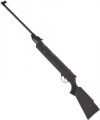 | 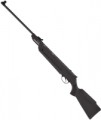 |
|---|---|---|
| Hatsan MOD 90 | Hatsan MOD 70 | |
from £184.99 | from $109.04 up to $113.96 | |
| User reviews | ||
| TOP sellers | ||
| Type | spring-piston | spring-piston |
Specs | ||
| Caliber | 4.5 mm | 4.5 mm |
| Muzzle velocity | 305 m/sec | 305 m/sec |
| Cocking system | break-barrel | break-barrel |
| Barrel | rifled | rifled |
| Charging | single shot | single shot |
| Type of ammunition | bullets | bullets |
More features | ||
| Sighting device | aiming bar and front sight | aiming bar and front sight |
| Scope mount | "dovetail" | "dovetail" |
| Fuse | manual | auto |
| Adjustable trigger |  | |
General | ||
| Barrel length | 450 mm | 450 mm |
| Total length | 1135 mm | 1130 mm |
| Stock material | plastic | plastic |
| Weight | 3.2 kg | 3.2 kg |
| Added to E-Catalog | august 2013 | august 2013 |


Compare Hatsan MOD 90 and MOD 70
You may be interested in
Hatsan MOD 90 often compared


Hatsan MOD 70 often compared


Glossary
Fuse
The type of safety provided in the design of the rifle.
Recall that the fuse is a device that prevents an unwanted shot. In air rifles, such a device can be automatic or manual, and in some models it is absent altogether. Here are the features of each option:
— Manual. Fuse, switched on and off exclusively manually, at the will of the shooter. The most common variety — such mechanisms are as simple and inexpensive as possible. They are somewhat less safe than automatic ones (see below) and require more careful attention; however, it is not difficult to develop the skill to properly handle the manual safety. And in multi-shot models, the advantage of manual safety over automatic is that there is no need to make unnecessary actions between shots.
— Automatic. A fuse that, at a certain moment, works automatically, without additional actions on the part of the shooter. Most often, such systems operate in this way: the weapon automatically becomes on the safety lock after the trigger is cocked, and in order to make a shot, you must first turn off the safety lock manually. This provides more safety than in the manual systems described above: if the shooter forgets about the fuse, the shot will not happen anyway. Particularly popular are automatic safety locks in cocked rifles due to a broken barrel (see "Cocking System"): such a mechanism does not allow you to pull the trigger until the shooter has completed relo...ading. But in other types of pneumatics, this option is rare.
In addition, this category may include systems that are not fuses in the original sense of the word — for example, a mechanism that prevents the bullet from feeding into the chamber of a PCP rifle (see “Type”) if there is already a charge there.
— Is absent. No separate fuse. A similar design is found in two varieties of air rifles. The first is low-cost models with a spring principle of operation (including those with a gas spring; see "Type"). In such models, the fuse is abandoned solely to simplify and reduce the cost of construction; it is worth buying such a rifle only if the future owner knows the safety rules when handling weapons.
The second type of pneumatics without fuses are high-end PCP rifles designed for professional shooters. Similarly, the role of the "fuse" when using such weapons is played exclusively by the skills and experience of the user himself.
Recall that the fuse is a device that prevents an unwanted shot. In air rifles, such a device can be automatic or manual, and in some models it is absent altogether. Here are the features of each option:
— Manual. Fuse, switched on and off exclusively manually, at the will of the shooter. The most common variety — such mechanisms are as simple and inexpensive as possible. They are somewhat less safe than automatic ones (see below) and require more careful attention; however, it is not difficult to develop the skill to properly handle the manual safety. And in multi-shot models, the advantage of manual safety over automatic is that there is no need to make unnecessary actions between shots.
— Automatic. A fuse that, at a certain moment, works automatically, without additional actions on the part of the shooter. Most often, such systems operate in this way: the weapon automatically becomes on the safety lock after the trigger is cocked, and in order to make a shot, you must first turn off the safety lock manually. This provides more safety than in the manual systems described above: if the shooter forgets about the fuse, the shot will not happen anyway. Particularly popular are automatic safety locks in cocked rifles due to a broken barrel (see "Cocking System"): such a mechanism does not allow you to pull the trigger until the shooter has completed relo...ading. But in other types of pneumatics, this option is rare.
In addition, this category may include systems that are not fuses in the original sense of the word — for example, a mechanism that prevents the bullet from feeding into the chamber of a PCP rifle (see “Type”) if there is already a charge there.
— Is absent. No separate fuse. A similar design is found in two varieties of air rifles. The first is low-cost models with a spring principle of operation (including those with a gas spring; see "Type"). In such models, the fuse is abandoned solely to simplify and reduce the cost of construction; it is worth buying such a rifle only if the future owner knows the safety rules when handling weapons.
The second type of pneumatics without fuses are high-end PCP rifles designed for professional shooters. Similarly, the role of the "fuse" when using such weapons is played exclusively by the skills and experience of the user himself.