
Comparison Anda Seat T-Pro 2 vs Hator Arc
Add to comparison | 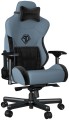 | 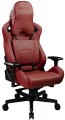 |
|---|---|---|
| Anda Seat T-Pro 2 | Hator Arc | |
from £349.00 | Outdated Product | |
| User reviews | ||
| TOP sellers | ||
| Features | gaming | gaming |
| Max. user weight | 200 kg | 200 kg |
Size and weight | ||
| Back height | 87 cm | 89 cm |
| Shoulder back width | 60.5 cm | 60 cm |
| Seat size (WxD) | 42x54 cm | 43x49 cm |
| Seat height | 49 - 56 cm | 49 - 56 cm |
| Weight | 33.8 kg | 33 kg |
Design | ||
| Base | cross with rollers | cross with rollers |
| Mechanism | MultiBlock | MultiBlock |
| Armrests |  | |
| Waist support | | |
| Removable cushions | | |
Adjustments | ||
| Backrest tilt | 160° | 160° |
| Rocking stiffness level | | |
| Seat height | | |
| Tilt of the entire chair | | |
Armrests | ||
| Height from the seat | 14.5 - 22 cm | 19 - 27 cm |
| Adjustment | 4D height (up / down) turn (right / left) length (forward / backward) width (right / left) | 4D height (up / down) turn (right / left) length (forward / backward) width (right / left) |
Material | ||
| Seat material | fabric | leatherette |
| Back material | fabric | leatherette |
| Base material | metal | metal |
| Color | ||
| Added to E-Catalog | september 2021 | april 2019 |


Compare Anda Seat T-Pro 2 and Hator Arc
Both chairs, Anda Seat T-Pro 2 and Hator Arc, are designed for gamers and support a maximum user weight of up to 200 kg. The Anda Seat T-Pro 2 has a backrest height of 87 cm and a shoulder width of 60.5 cm, while the Hator Arc is slightly taller at 89 cm but has a slightly narrower back width of 60 cm. The seat dimensions for the T-Pro 2 are 42x54 cm, whereas for the Arc they are 43x49 cm. Both chairs offer similar adjustment features, including a backrest tilt of up to 160°, but the armrests on the T-Pro 2 are adjustable in height from 14.5 to 22 cm, whereas on the Arc they range from 19 to 27 cm. There are also differences in materials: the T-Pro 2 is made of fabric, while the Hator Arc is made of faux leather.
You may be interested in
Anda Seat T-Pro 2 often compared


Hator Arc often compared


Glossary
Back height
Chair back height; for models with a variable back height (see "Adjustments"), as a rule, the maximum value is indicated.
The back height is measured from the seat to the top edge. In essence, this is the height of support available to the back. In some situations, you can not pay much attention to this indicator - for example, if the chair is intended for visitors and the role of the back in it is purely symbolic. However, if you have to sit in a chair often and for a long time, this point should also be taken into account. Ideally, it's best to try a few chairs "live" and find out which backrest height is most comfortable for you. If this is not possible, it is worth deciding which area on the body the back should reach (to the shoulder blades, to the base of the neck, etc.) and measure at what height from the seat this area is in a sitting position. And if you need specific support for the back of the head, you should choose among models equipped with head restraints (see above).
The back height is measured from the seat to the top edge. In essence, this is the height of support available to the back. In some situations, you can not pay much attention to this indicator - for example, if the chair is intended for visitors and the role of the back in it is purely symbolic. However, if you have to sit in a chair often and for a long time, this point should also be taken into account. Ideally, it's best to try a few chairs "live" and find out which backrest height is most comfortable for you. If this is not possible, it is worth deciding which area on the body the back should reach (to the shoulder blades, to the base of the neck, etc.) and measure at what height from the seat this area is in a sitting position. And if you need specific support for the back of the head, you should choose among models equipped with head restraints (see above).
Shoulder back width
The width of the back at the shoulders of the intended wearer.
In order to recline as much as possible on the back, this width should be no less than the actual width of the user's shoulders. At the same time, for more or less comfortable use, a smaller back size is also sufficient — approximately corresponding to the width of the back in the area of \u200b\u200bthe shoulders (between the outer edges of the shoulder blades). Well, anyway, this parameter is, on the one hand, secondary, and on the other, very subjective. This means that in most cases you can not pay much attention to it, however, if you have already decided to choose the furniture that is the most suitable in size, it is better not to measure your own back, but to test several chairs and determine the most convenient value by experience.
In order to recline as much as possible on the back, this width should be no less than the actual width of the user's shoulders. At the same time, for more or less comfortable use, a smaller back size is also sufficient — approximately corresponding to the width of the back in the area of \u200b\u200bthe shoulders (between the outer edges of the shoulder blades). Well, anyway, this parameter is, on the one hand, secondary, and on the other, very subjective. This means that in most cases you can not pay much attention to it, however, if you have already decided to choose the furniture that is the most suitable in size, it is better not to measure your own back, but to test several chairs and determine the most convenient value by experience.
Seat size (WxD)
Dimensions of the seat installed in the chair in width and depth (from the back to the front edge). For models with variable depth (see "Adjustments"), the maximum value is taken into account when the seat is pushed forward to the stop.
Most modern chairs are designed for the average adult, so paying attention to size is primarily for people of a large, or, conversely, miniature physique. In width, the average is considered to be 45 – 55 cm, the narrowest models are up to 40 cm wide, in the widest it can exceed 60 cm. Similarly, a depth of less than 40 cm is considered small, up to 60 cm — medium, more than 60 cm — large.
Most modern chairs are designed for the average adult, so paying attention to size is primarily for people of a large, or, conversely, miniature physique. In width, the average is considered to be 45 – 55 cm, the narrowest models are up to 40 cm wide, in the widest it can exceed 60 cm. Similarly, a depth of less than 40 cm is considered small, up to 60 cm — medium, more than 60 cm — large.
Height from the seat
The height of the armrests installed in the chair relative to the seat. In models that have the ability to adjust the armrests in height (see "Adjustments"), the range of such adjustment is usually indicated.
The overall comfort of using the chair depends on the height of the armrests, but this parameter is largely subjective: even people of the same height can differ in physique and personal preferences. So if comfort is of fundamental importance to you, it is best to check live what armrest height is optimal and choose a chair with the appropriate specifications.
The overall comfort of using the chair depends on the height of the armrests, but this parameter is largely subjective: even people of the same height can differ in physique and personal preferences. So if comfort is of fundamental importance to you, it is best to check live what armrest height is optimal and choose a chair with the appropriate specifications.
Seat material
The material used for the actual seat of the chair. Note that some models may be available in several versions that differ in seat material.
— Fabric. Fabric comes in many varieties, and its specific characteristics depend on the chair’s price category. This material is found in all categories, from budget models to fairly expensive products. The common properties of all types of fabric are low cost, durability, and ease of maintenance.
— Leather. The main distinguishing features of genuine leather are its luxurious appearance and corresponding price. In view of this, this material is considered an “image” material and is used not only for comfort but also to emphasize the owner’s status. Accordingly, most chairs with leather seats are intended for executives (see “Purpose”) and belong to the premium class. In practical terms, leather is durable and quite pleasant to the touch, but it has poor breathability, which can cause discomfort in hot weather.
— Faux leather. A type of artificial material that imitates the genuine leather described above. The quality and properties of a particular faux leather generally depend directly on its price (and the chair’s price category overall), but even the most expensive options are usually cheaper than leather, while externally and even to the touch they may be virtually indistinguishable from it. In addition, this material is less deman...ding to maintain. As a result, faux leather seats are quite common. Their main disadvantages are a tendency to develop scuffs and a generally shorter service life than leather seats (although, again, much depends on the price).
— Plastic. Plastic seats are characteristic of the cheapest chairs designed for visitors—or for staff who do not have to sit in one place for long. This material combines low cost with strength, reliability, and a wide range of colors. At the same time, it has one key drawback that effectively negates all the advantages described above—hardness; simply put, sitting on plastic is uncomfortable. For this reason, even among the models mentioned, all-plastic seats are very rare.
— Wood. In the case of office chair seats, the word “wood” usually means plywood. This material is in many ways similar to the plastic described above, but it also has some differences: on the one hand, it has an aesthetically pleasing appearance with original patterns and is considered more pleasant to the touch; on the other, it costs more and offers relatively few design options. Nevertheless, this material also has the disadvantage of hardness, which is why it is used only in isolated cases.
— Mesh. Seats consisting of a rigid frame with fabric or synthetic mesh stretched across it. The main advantages of such designs are low weight and good breathability. The design of mesh seats allows them to be used even in executive chairs. The notable disadvantages of mesh seats include only somewhat lower reliability and greater repair complexity compared with largely similar fabric seats (see above).
— Fabric. Fabric comes in many varieties, and its specific characteristics depend on the chair’s price category. This material is found in all categories, from budget models to fairly expensive products. The common properties of all types of fabric are low cost, durability, and ease of maintenance.
— Leather. The main distinguishing features of genuine leather are its luxurious appearance and corresponding price. In view of this, this material is considered an “image” material and is used not only for comfort but also to emphasize the owner’s status. Accordingly, most chairs with leather seats are intended for executives (see “Purpose”) and belong to the premium class. In practical terms, leather is durable and quite pleasant to the touch, but it has poor breathability, which can cause discomfort in hot weather.
— Faux leather. A type of artificial material that imitates the genuine leather described above. The quality and properties of a particular faux leather generally depend directly on its price (and the chair’s price category overall), but even the most expensive options are usually cheaper than leather, while externally and even to the touch they may be virtually indistinguishable from it. In addition, this material is less deman...ding to maintain. As a result, faux leather seats are quite common. Their main disadvantages are a tendency to develop scuffs and a generally shorter service life than leather seats (although, again, much depends on the price).
— Plastic. Plastic seats are characteristic of the cheapest chairs designed for visitors—or for staff who do not have to sit in one place for long. This material combines low cost with strength, reliability, and a wide range of colors. At the same time, it has one key drawback that effectively negates all the advantages described above—hardness; simply put, sitting on plastic is uncomfortable. For this reason, even among the models mentioned, all-plastic seats are very rare.
— Wood. In the case of office chair seats, the word “wood” usually means plywood. This material is in many ways similar to the plastic described above, but it also has some differences: on the one hand, it has an aesthetically pleasing appearance with original patterns and is considered more pleasant to the touch; on the other, it costs more and offers relatively few design options. Nevertheless, this material also has the disadvantage of hardness, which is why it is used only in isolated cases.
— Mesh. Seats consisting of a rigid frame with fabric or synthetic mesh stretched across it. The main advantages of such designs are low weight and good breathability. The design of mesh seats allows them to be used even in executive chairs. The notable disadvantages of mesh seats include only somewhat lower reliability and greater repair complexity compared with largely similar fabric seats (see above).
Back material
The main material used for the chair backrest. Note that some models are available in several design options, differing in materials; all available options are listed for such models.
— Fabric. Relatively inexpensive and at the same time quite practical material. It has decent strength, is easy to maintain, and can be made in numerous colors and designs; in addition, it provides good ventilation, which can be useful in hot weather.
— Leather. Natural leather is expensive and strongly highlights the owner's status (especially since leather products themselves look solid and luxurious). Accordingly, the main use of this option is for executive chairs (see "Purpose"). From a practical perspective, leather is durable and quite pleasant to the touch, however, it has poor breathability (which can cause discomfort in hot weather) and requires specific care, otherwise, it may lose its "marketable appearance."
— Leatherette. There are many types of leatherette, significantly differing in price and properties, and the most advanced ones are even used in premium-class "executive" chairs. Leatherette backrests are not as demanding in care as natural leather, but they are less durable and more prone to wear and tear.
— Mesh. Backrests in the form of a rigid frame with a fabric or synthetic mesh stretched...over it. The main advantages of such designs are their lightweight and good breathability. The design of the meshes allows their use even in executive chairs. The noticeable drawbacks include slightly less reliability and greater repair complexity compared to similar fabric (see above).
— Plastic. Purely plastic backrests are most often used in chairs with seats made of the same material (see above). They are strong and inexpensive, but due to their hardness, they are quite uncomfortable, which is why they are not widespread even among visitor models.
— Wood. Wooden backrests are in many ways similar to the plastic ones described above, except that they are somewhat more expensive and can have an original appearance due to the wood's textured patterns. They are also rarely used due to their hardness and the associated discomfort.
— Fabric. Relatively inexpensive and at the same time quite practical material. It has decent strength, is easy to maintain, and can be made in numerous colors and designs; in addition, it provides good ventilation, which can be useful in hot weather.
— Leather. Natural leather is expensive and strongly highlights the owner's status (especially since leather products themselves look solid and luxurious). Accordingly, the main use of this option is for executive chairs (see "Purpose"). From a practical perspective, leather is durable and quite pleasant to the touch, however, it has poor breathability (which can cause discomfort in hot weather) and requires specific care, otherwise, it may lose its "marketable appearance."
— Leatherette. There are many types of leatherette, significantly differing in price and properties, and the most advanced ones are even used in premium-class "executive" chairs. Leatherette backrests are not as demanding in care as natural leather, but they are less durable and more prone to wear and tear.
— Mesh. Backrests in the form of a rigid frame with a fabric or synthetic mesh stretched...over it. The main advantages of such designs are their lightweight and good breathability. The design of the meshes allows their use even in executive chairs. The noticeable drawbacks include slightly less reliability and greater repair complexity compared to similar fabric (see above).
— Plastic. Purely plastic backrests are most often used in chairs with seats made of the same material (see above). They are strong and inexpensive, but due to their hardness, they are quite uncomfortable, which is why they are not widespread even among visitor models.
— Wood. Wooden backrests are in many ways similar to the plastic ones described above, except that they are somewhat more expensive and can have an original appearance due to the wood's textured patterns. They are also rarely used due to their hardness and the associated discomfort.