
Comparison Airwheel R5 vs Airwheel R3+
Add to comparison | 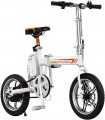 | 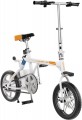 |
|---|---|---|
| Airwheel R5 | Airwheel R3+ | |
| Outdated Product | Outdated Product | |
| TOP sellers | ||
Foldable construction. Disc mechanical brakes. Smartphone control. Power reserve in pedal assist mode up to 100 km. Seat cushioning. USB port for charging mobile devices. Compact dimensions when folded. Just one transmission. | Foldable construction. Soft and smooth ride. Disc mechanical brakes. Power reserve in pedal assist mode up to 100 km. Seat cushioning. USB port for charging gadgets. Compact dimensions when folded. | |
| Type | urban | urban |
| Maximum load | 100 kg | 100 kg |
| Foldable design |  | |
Performance specification | ||
| Motor operating mode | electric drive + pedal assist | electric drive + pedal assist |
| Range | 100 km | 100 km |
| Motor power | 235 W | 235 W |
| Maximum speed | 20 km/h | 20 km/h |
| Drive | rear | rear |
| Wheel diameter | 16 " | 14 " |
| Depreciation | absent | rear |
| Rear suspension type | spring-elastomer | |
| Front brake | disk mechanical | disk mechanical |
| Rear brake | disc mechanical | disc mechanical |
Features | ||
| Speeds | 1 no. | 1 no. |
Battery | ||
| Battery capacity | 6 Ah | 6 Ah |
| Full charging time | 3 h | 3 h |
| Battery location | under the seat | under the seat |
General | ||
| In box | chain guard kickstand signal / ring headlight and parking lights | chain guard kickstand |
| Frame material | aluminum | aluminum |
| Weight | 17.5 kg | 17 kg |
| Color | ||
| Added to E-Catalog | february 2018 | february 2018 |


Compare Airwheel R5 and R3+
You may be interested in
My comparisons
Airwheel R5 often compared


Glossary
Wheel diameter
The wheel size of an electric bicycle in inches affects compactness, stability, rolling, and passability. The larger the wheel, the easier it rolls over bumps and maintains speed, but the bigger the bike itself becomes.
Small 20″ wheels and below are typical for folding e-bikes, 26″ is well-suited for city rides, leisure, and basic off-roading, while 27.5″, 28″, and 29″ are often chosen for mountain, road, touring, and high-speed models.
Small 20″ wheels and below are typical for folding e-bikes, 26″ is well-suited for city rides, leisure, and basic off-roading, while 27.5″, 28″, and 29″ are often chosen for mountain, road, touring, and high-speed models.
Depreciation
A system of spring, air, or elastomer elements that softens impacts from bumps and makes riding more comfortable. Suspension affects the intended use of the bicycle.
— Front. A suspension fork is installed at the front and softens impacts on the front wheel. This is the most common option for city, leisure, mountain, and touring e-bikes: it helps with curbs, potholes, paving stones, gravel, and light off-road terrain without making the bicycle too heavy or complicated.
— Front and rear. Suspension is provided both at the front and rear, so bumps are absorbed by both wheels. This setup is better suited for trails, forest roads, rocks, roots, descents, and active riding, but makes the e-bike more expensive, heavier, and more demanding to maintain.
— Rear. A shock absorber is installed at the rear and softens impacts from the rear wheel or the seat area of the frame. This option is less common than front suspension and can be useful for increasing comfort on uneven roads, especially if the main load falls on the saddle and rear of the bicycle.
— None. A rigid design without shock absorbers is simpler, lighter, and cheaper to maintain. It is well suited for smooth asphalt, bike paths, and relaxed city routes, but on potholes, paving stones, dirt roads, and curbs it will transfer more impacts to the hands, back, and frame.
— Front. A suspension fork is installed at the front and softens impacts on the front wheel. This is the most common option for city, leisure, mountain, and touring e-bikes: it helps with curbs, potholes, paving stones, gravel, and light off-road terrain without making the bicycle too heavy or complicated.
— Front and rear. Suspension is provided both at the front and rear, so bumps are absorbed by both wheels. This setup is better suited for trails, forest roads, rocks, roots, descents, and active riding, but makes the e-bike more expensive, heavier, and more demanding to maintain.
— Rear. A shock absorber is installed at the rear and softens impacts from the rear wheel or the seat area of the frame. This option is less common than front suspension and can be useful for increasing comfort on uneven roads, especially if the main load falls on the saddle and rear of the bicycle.
— None. A rigid design without shock absorbers is simpler, lighter, and cheaper to maintain. It is well suited for smooth asphalt, bike paths, and relaxed city routes, but on potholes, paving stones, dirt roads, and curbs it will transfer more impacts to the hands, back, and frame.
Rear suspension type
The type of rear suspension describes the design of the rear shock absorber of the electric bicycle: how the element compresses during impact and how effectively it dampens the frame oscillation. This parameter is important for full-suspension bikes, fat bikes, and models for rough roads, as the rear shock absorber affects saddle comfort, rear wheel traction, and bike behavior on uneven surfaces.
— Spring-elastomer. Uses a metal spring and an elastomer insert inside to help absorb shocks. It's a simple and inexpensive solution for city and light trail electric bikes, but it’s less smooth, adjustable, and stable compared to more advanced oil systems.
— Spring-oil. A metal spring takes the compression, while oil dampens excessive oscillation after impact. This suspension is usually more reliable and stable than spring-elastomer types, suitable for broken asphalt, dirt roads, and moderate off-roading but heavier than air variants.
— Air. The elastic element is an air chamber, and the pressure can be adjusted according to the user's weight and riding style. This rear suspension is lighter than spring types and convenient for precise adjustment, often found in more advanced e-bikes, although it requires pressure monitoring and more careful maintenance.
— Air-oil. In this rear suspension, air acts as the elastic element, while oil ensures smooth compression and controlled rebound. It can be finely adjusted for rider weight, active riding,...trails, and mountain routes, but it is usually more expensive and requires regular maintenance.
— Spring-elastomer. Uses a metal spring and an elastomer insert inside to help absorb shocks. It's a simple and inexpensive solution for city and light trail electric bikes, but it’s less smooth, adjustable, and stable compared to more advanced oil systems.
— Spring-oil. A metal spring takes the compression, while oil dampens excessive oscillation after impact. This suspension is usually more reliable and stable than spring-elastomer types, suitable for broken asphalt, dirt roads, and moderate off-roading but heavier than air variants.
— Air. The elastic element is an air chamber, and the pressure can be adjusted according to the user's weight and riding style. This rear suspension is lighter than spring types and convenient for precise adjustment, often found in more advanced e-bikes, although it requires pressure monitoring and more careful maintenance.
— Air-oil. In this rear suspension, air acts as the elastic element, while oil ensures smooth compression and controlled rebound. It can be finely adjusted for rider weight, active riding,...trails, and mountain routes, but it is usually more expensive and requires regular maintenance.
In box
— Fenders. Protective guards above the wheels that reduce water, dirt, and sand splashing onto clothing, footwear, the frame, and the battery compartment. Especially useful for city rides, wet asphalt, dirt roads, and daily commuting, but they add a little weight and may rattle if loosely mounted.
— Chain guard. A protective cover that shields part of the chain and front sprockets, reducing the risk of getting clothing dirty or caught. It is especially suitable for city e-bikes used with regular clothing, but may hinder quick access to the chain for cleaning, lubrication, or repairs.
— Spring saddle. A saddle with a spring suspension mechanism softens impacts and vibrations transmitted from the rear wheel to the rider. This option is comfortable for recreational and city e-bikes, especially on tiles, cobblestones, and rough asphalt, but may be less precise and heavier than a regular saddle for a sporty riding position and active riding.
— Kickstand. A folding support that allows the e-bike to stand without a wall, stand, or bike rack. It is convenient near a store, home, office, or during a short stop along the route, but on heavy e-bikes, it is important that the kickstand is sturdy and does not fold under the weight of the loaded bike.
— Rear rack. A rear car...go platform for mounting bags, baskets, top cases, a child seat, or carrying small luggage. It is useful for city riding, delivery, shopping trips, and touring, but when loaded, it shifts weight backward and may worsen balance, especially if the battery is also mounted on the rear rack.
— Front rack / basket. A front platform or basket near the handlebars (above the front wheel) designed for carrying a bag, backpack, groceries, and small items. This option is convenient for short city rides, but a heavy load at the front may affect steering and make the bike less stable at low speed.
— Horn / bell. An audible signal helps warn pedestrians, other cyclists, and road users of your approach. It is a practical safety feature for the city, courtyards, bike paths, and parks, although a regular bell does not replace attentiveness and may be difficult to hear in heavy traffic.
— Headlight and position lights. The front headlight illuminates the road, while position lights make the e-bike more visible to other road users. This is important for evening rides, tunnels, overcast weather, and riding alongside roads.
— Chain guard. A protective cover that shields part of the chain and front sprockets, reducing the risk of getting clothing dirty or caught. It is especially suitable for city e-bikes used with regular clothing, but may hinder quick access to the chain for cleaning, lubrication, or repairs.
— Spring saddle. A saddle with a spring suspension mechanism softens impacts and vibrations transmitted from the rear wheel to the rider. This option is comfortable for recreational and city e-bikes, especially on tiles, cobblestones, and rough asphalt, but may be less precise and heavier than a regular saddle for a sporty riding position and active riding.
— Kickstand. A folding support that allows the e-bike to stand without a wall, stand, or bike rack. It is convenient near a store, home, office, or during a short stop along the route, but on heavy e-bikes, it is important that the kickstand is sturdy and does not fold under the weight of the loaded bike.
— Rear rack. A rear car...go platform for mounting bags, baskets, top cases, a child seat, or carrying small luggage. It is useful for city riding, delivery, shopping trips, and touring, but when loaded, it shifts weight backward and may worsen balance, especially if the battery is also mounted on the rear rack.
— Front rack / basket. A front platform or basket near the handlebars (above the front wheel) designed for carrying a bag, backpack, groceries, and small items. This option is convenient for short city rides, but a heavy load at the front may affect steering and make the bike less stable at low speed.
— Horn / bell. An audible signal helps warn pedestrians, other cyclists, and road users of your approach. It is a practical safety feature for the city, courtyards, bike paths, and parks, although a regular bell does not replace attentiveness and may be difficult to hear in heavy traffic.
— Headlight and position lights. The front headlight illuminates the road, while position lights make the e-bike more visible to other road users. This is important for evening rides, tunnels, overcast weather, and riding alongside roads.