
Comparison Caso X3 vs Joseph Joseph TriScale
Add to comparison | 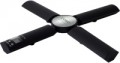 | 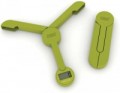 |
|---|---|---|
| Caso X3 | Joseph Joseph TriScale | |
from $44.24 | Compare prices 2 | |
| User reviews | ||
| TOP sellers | ||
| Type of scales | tabletop | tabletop |
| Mechanism | electronic | electronic |
| Maximum weight measurement | 3 kg | 5 kg |
| Division price | 1 g | 1 g |
Features | ||
| Functions | tarocompensation timer | tarocompensation automatic shutdown |
General | ||
| Platform material | plastic | plastic |
| Foldable |  | |
| Color | ||
| Added to E-Catalog | june 2015 | february 2015 |




Compare Caso X3 and Joseph Joseph TriScale
Price comparison
You may be interested in
Glossary
Maximum weight measurement
The maximum weight allowed on the platform of this model of scales. Exceeding this parameter may result in the scales at best being unable to display accurate data, and at worst, breaking completely. Obviously, the maximum weight is directly related to its purpose, but even kitchen scales can weigh up to 5 kg or up to 20 kg.
In fact, the largest maximum weight measurements are found with floor scales, which can measure up to 200 kg or even more. The most delicate ones are jewelry models (see "Type"). It is also noted that in mechanical devices (see "Mechanism"), the scale is usually graduated up to the maximum weight.
Currently, the market offers scales with the following maximum weights: up to 1 kg, up to 5 kg, up to 10 kg, up to 50 kg, up to 150 kg, up to 200 kg.
In fact, the largest maximum weight measurements are found with floor scales, which can measure up to 200 kg or even more. The most delicate ones are jewelry models (see "Type"). It is also noted that in mechanical devices (see "Mechanism"), the scale is usually graduated up to the maximum weight.
Currently, the market offers scales with the following maximum weights: up to 1 kg, up to 5 kg, up to 10 kg, up to 50 kg, up to 150 kg, up to 200 kg.
Functions
— Tare Compensation. The ability to account for the weight of the container or other packaging when weighing materials. Usually, this function works in the following way: an empty container (e.g., a box or measuring cup) is placed on the scale, and the device's scale is reset (for example, by pressing a button or turning a special knob). Thus, when the container is filled, the scales will display only the weight of the contents, not the total weight. In some models, the "extra" weight that does not need to be accounted for can even be set manually.
— Volume Measurement. The ability to use scales for measuring the volume of liquid. This function is found only in kitchen scales (see "Type of Scales") and may be implemented in different ways. For example, some models are equipped with a bowl with graduation marks — it essentially functions as a measuring cup and operates on a similar principle. In others, you can set the type of liquid (water, milk, vegetable oil, etc.), and based on its weight, the device automatically calculates the volume. However, in any case, this feature will be useful if you require maximum accuracy in determining the quantity of a particular ingredient.
— Automatic Activation. Automatic activation of electronic scales when a load is placed on them. A small but quite convenient option.
— Automatic Shutdown.... This function ensures the electronic scales (see "Mechanism") turn off after some time once the load has been removed. Thanks to auto-off, there is no need to worry about draining the batteries by forgetting to turn off the device. In some models, manual shutdown is not even provided — only automatic.
— Voice Notification. The presence of a voice notification function in the scales. Usually, it means that the weight (or other measurement result) is "voiced" through the device's speaker. Thus, the user does not need to look at the display to know the results. This function is mainly found in floor scales (see "Type of Scales"), where it is most relevant: not everyone can see the display without bending down, and bending may be inconvenient or even impossible (for example, due to health issues). Voice notification can be provided in different languages; it is worth clarifying the list of available languages and the ability to choose between them separately.
— Calorie Calculator. This function allows you to calculate the nutritional value of the weighed products; usually, it refers to the number of calories, but advanced models can also determine other parameters (protein-fat-carbohydrate content, fiber, liquid, etc.). For this purpose, nutritional data for various products is stored in the scale's memory; to determine the number of calories, you must select a specific product from this list during weighing. In theory, this function can be very useful for those who carefully monitor their diet and try to accurately dose the caloric content of food. However, in practice, the calorie calculator often provides only approximate numbers, which may not correspond well with real indicators. For example, the device calculates the nutritional value of fruits and vegetables quite well, but for porridge, it indicates an average value — yet the actual caloric content of porridge strongly depends on how and on what it is prepared. Therefore, the calorie calculator should not be perceived as the "final authority," and if you require the most accurate data on the nutritional value of products, it is better to refer to special tables and counting methods.
— Timer. Having a timer allows using the scales for counting down the time: the user sets the desired time, starts the timer, and a signal is given at the end of the set interval. This function can come in handy for various tasks, but it is especially useful in the kitchen, where timing often needs to be controlled precisely. Consequently, almost all scales with a timer are kitchen scales (see "Type of Scales").
— Thermometer. The presence of a built-in thermometer in the scales. As a rule, this function is performed by a basic thermal sensor that determines the temperature of the surrounding air; and most scales with such equipment are either kitchen or floor scales (see "Type of Scales"). Note that in practice, the need for a thermometer arises relatively rarely, and this function is more of a "pleasant addition" rather than a serious functional advantage. However, this equipment almost does not affect the cost of scales — thermal sensors are very inexpensive.
— Smartphone Synchronization. The ability to connect scales with a mobile gadget (smartphone, tablet) to exchange data. As a rule, a special application needs to be installed for this function to work (it may even be supplied in the package). The specific method of such connection and its capabilities may vary depending on the general type and model of the scales. Most models with synchronization support are floor devices with diagnostic capabilities (see below), and measurement data is used to maintain a log with information about the body's condition. Such functionality is especially useful for athletes, fitness enthusiasts, and those engaged in physical activities for therapeutic purposes; it may provide compatibility not only with "native" software but also with third-party medical and fitness services. Another type of devices with synchronization capability are kitchen scales: in them, the installed application is used for working with various culinary recipes.
— Volume Measurement. The ability to use scales for measuring the volume of liquid. This function is found only in kitchen scales (see "Type of Scales") and may be implemented in different ways. For example, some models are equipped with a bowl with graduation marks — it essentially functions as a measuring cup and operates on a similar principle. In others, you can set the type of liquid (water, milk, vegetable oil, etc.), and based on its weight, the device automatically calculates the volume. However, in any case, this feature will be useful if you require maximum accuracy in determining the quantity of a particular ingredient.
— Automatic Activation. Automatic activation of electronic scales when a load is placed on them. A small but quite convenient option.
— Automatic Shutdown.... This function ensures the electronic scales (see "Mechanism") turn off after some time once the load has been removed. Thanks to auto-off, there is no need to worry about draining the batteries by forgetting to turn off the device. In some models, manual shutdown is not even provided — only automatic.
— Voice Notification. The presence of a voice notification function in the scales. Usually, it means that the weight (or other measurement result) is "voiced" through the device's speaker. Thus, the user does not need to look at the display to know the results. This function is mainly found in floor scales (see "Type of Scales"), where it is most relevant: not everyone can see the display without bending down, and bending may be inconvenient or even impossible (for example, due to health issues). Voice notification can be provided in different languages; it is worth clarifying the list of available languages and the ability to choose between them separately.
— Calorie Calculator. This function allows you to calculate the nutritional value of the weighed products; usually, it refers to the number of calories, but advanced models can also determine other parameters (protein-fat-carbohydrate content, fiber, liquid, etc.). For this purpose, nutritional data for various products is stored in the scale's memory; to determine the number of calories, you must select a specific product from this list during weighing. In theory, this function can be very useful for those who carefully monitor their diet and try to accurately dose the caloric content of food. However, in practice, the calorie calculator often provides only approximate numbers, which may not correspond well with real indicators. For example, the device calculates the nutritional value of fruits and vegetables quite well, but for porridge, it indicates an average value — yet the actual caloric content of porridge strongly depends on how and on what it is prepared. Therefore, the calorie calculator should not be perceived as the "final authority," and if you require the most accurate data on the nutritional value of products, it is better to refer to special tables and counting methods.
— Timer. Having a timer allows using the scales for counting down the time: the user sets the desired time, starts the timer, and a signal is given at the end of the set interval. This function can come in handy for various tasks, but it is especially useful in the kitchen, where timing often needs to be controlled precisely. Consequently, almost all scales with a timer are kitchen scales (see "Type of Scales").
— Thermometer. The presence of a built-in thermometer in the scales. As a rule, this function is performed by a basic thermal sensor that determines the temperature of the surrounding air; and most scales with such equipment are either kitchen or floor scales (see "Type of Scales"). Note that in practice, the need for a thermometer arises relatively rarely, and this function is more of a "pleasant addition" rather than a serious functional advantage. However, this equipment almost does not affect the cost of scales — thermal sensors are very inexpensive.
— Smartphone Synchronization. The ability to connect scales with a mobile gadget (smartphone, tablet) to exchange data. As a rule, a special application needs to be installed for this function to work (it may even be supplied in the package). The specific method of such connection and its capabilities may vary depending on the general type and model of the scales. Most models with synchronization support are floor devices with diagnostic capabilities (see below), and measurement data is used to maintain a log with information about the body's condition. Such functionality is especially useful for athletes, fitness enthusiasts, and those engaged in physical activities for therapeutic purposes; it may provide compatibility not only with "native" software but also with third-party medical and fitness services. Another type of devices with synchronization capability are kitchen scales: in them, the installed application is used for working with various culinary recipes.