
Comparison Gembird MP-GEL vs Defender Easy Work
Add to comparison | 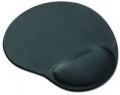 | 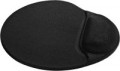 |
|---|---|---|
| Gembird MP-GEL | Defender Easy Work | |
| Compare prices 3 | from £7.66 | |
| TOP sellers | ||
| Pad type | regular | regular |
| Size (LxWxT) | 260x220x3 mm | 260x225x5 mm |
| Pad shape | figured | figured |
| Surface material | fabric | fabric |
| Base material | silicone | rubber |
| Wrist pad |  | |
| Color | ||
| Added to E-Catalog | november 2015 | november 2015 |




Compare Gembird MP-GEL and Defender Easy Work
Price comparison
You may be interested in
My comparisons
Glossary
Base material
The base material of the rug is the surface in contact with the table. First of all, the reliability of holding the rug in place depends on the properties of the base.
— Rubber. A fairly practical and easy-to-clean material that adheres well to various surfaces — wood, plastic, glass. At the same time, rubber is inexpensive, due to which it is the most popular modern material for bases.
— Silicone. This material “sticks” well to the surface, however, as it gets dirty and worn, it can noticeably lose its properties. As a result, this material is relatively rare.
— Plastic. Plastic is cheaper than rubber, but does not hold up as well on the table. This, however, does not apply to all varieties of this material, however, “tenacious” quality varieties (for example, “foamed” polyurethane), usually, are much more expensive than usual and are still inferior to rubber and silicone in terms of retention.
— Aluminium. There are two options for aluminium bases. The first is reversible mats (see below) made entirely of aluminium. For more information about this material, see "Surface Material"; here we note that aluminium is slippery and in its pure form is poorly suited for bases. Therefore, these rugs most often have "legs" made of rubber, often removable. The second option is ultra-thin products, on the...basis of which a thin aluminium foil is applied. This foil is usually covered with an adhesive material, which allows the pad to be held securely on the table.
— Rubber. A fairly practical and easy-to-clean material that adheres well to various surfaces — wood, plastic, glass. At the same time, rubber is inexpensive, due to which it is the most popular modern material for bases.
— Silicone. This material “sticks” well to the surface, however, as it gets dirty and worn, it can noticeably lose its properties. As a result, this material is relatively rare.
— Plastic. Plastic is cheaper than rubber, but does not hold up as well on the table. This, however, does not apply to all varieties of this material, however, “tenacious” quality varieties (for example, “foamed” polyurethane), usually, are much more expensive than usual and are still inferior to rubber and silicone in terms of retention.
— Aluminium. There are two options for aluminium bases. The first is reversible mats (see below) made entirely of aluminium. For more information about this material, see "Surface Material"; here we note that aluminium is slippery and in its pure form is poorly suited for bases. Therefore, these rugs most often have "legs" made of rubber, often removable. The second option is ultra-thin products, on the...basis of which a thin aluminium foil is applied. This foil is usually covered with an adhesive material, which allows the pad to be held securely on the table.