
Comparison Noirot Spot E-5 2000 Plus 2 kW vs Noirot Spot E-5 2000 2 kW
Add to comparison | 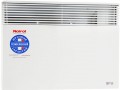 | 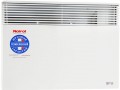 |
|---|---|---|
| Noirot Spot E-5 2000 Plus 2 kW | Noirot Spot E-5 2000 2 kW | |
| Outdated Product | from $125.20 up to $154.68 | |
| User reviews | ||
| TOP sellers | ||
| Type | convector Heater | convector Heater |
| Heating element | Tubular heater | Tubular heater |
| Controls | button controls | button controls |
| Power supply | mains | mains |
| Max. power | 2000 W | 2000 W |
| Heating area | 20 m² | 20 m² |
Features | ||
| Features | thermostat temperature adjustment emergency heating display | thermostat temperature adjustment emergency heating display |
| Heating modes | 1 | 1 |
| Safety system | overheat protection waterproof child lock | overheat protection waterproof child lock |
More specs | ||
| Installation | floor wall | wall |
| Wheels |  |  |
| Dimensions (HxWxD) | 44x74x8 cm | 44x74x8 cm |
| Color | ||
| Added to E-Catalog | october 2019 | november 2016 |


Compare Noirot Spot E-5 2000 Plus and Spot E-5 2000
You may be interested in
My comparisons
Noirot Spot E-5 2000 often compared


Glossary
Installation
Installation methods, nominally provided for by the design of the heater. Many models allow several mounting options — for example, floor or wall, at the request of the user.
— Floor. Installation directly on the floor using feet, wheels or similar supports. Such installation is as simple and fast as possible — no work is needed, it is enough to find a free area of the floor and install a heater on it. Accordingly, moving from place to place is also not a problem — especially if the design has the wheels mentioned (and almost all heavy devices like oil heaters are equipped with them). And you can place the heater almost anywhere in the room — with certain restrictions, but the freedom of movement for such devices is still much greater than for wall or ceiling ones. At the same time, a floor heater takes up the most space, and there is also a risk of bumping into such a device and tipping it over.
— Wall mounted. Mounting on a wall, usually by hanging on hooks, screws or other similar devices. This installation option is found in all types of heaters, but it is most popular in convectors and fan heaters. Wall installation is not as convenient as floor installation — certain work is required to prepare the wall, and it is impossible to install such a device in the middle of the room. On the other hand, wall models do not take up space on the floor, which can be especially useful in cramped conditions.
— Ceiling. Installation by hanging from t...he ceiling. This option is used mainly among IR heaters — installation at the maximum height allows you to cover a large area; in other types of heaters, ceiling mounting is practically not found. Often, ceiling models also allow wall installation.
— Into socket. Portable heaters with a plug directly in the housing are installed in the socket. The dimensions of such devices are negligible, as well as the heating power. Plug-in models are a good option for heating a workplace in a small office space, at a guard post or in a gatehouse.
Note that accessories for a particular type of installation may not be included in the kit, they will have to be purchased separately: for example, for a wall-mounted convector, you will need to purchase screws or other fasteners, and for a floor convector, legs-stands.
— Floor. Installation directly on the floor using feet, wheels or similar supports. Such installation is as simple and fast as possible — no work is needed, it is enough to find a free area of the floor and install a heater on it. Accordingly, moving from place to place is also not a problem — especially if the design has the wheels mentioned (and almost all heavy devices like oil heaters are equipped with them). And you can place the heater almost anywhere in the room — with certain restrictions, but the freedom of movement for such devices is still much greater than for wall or ceiling ones. At the same time, a floor heater takes up the most space, and there is also a risk of bumping into such a device and tipping it over.
— Wall mounted. Mounting on a wall, usually by hanging on hooks, screws or other similar devices. This installation option is found in all types of heaters, but it is most popular in convectors and fan heaters. Wall installation is not as convenient as floor installation — certain work is required to prepare the wall, and it is impossible to install such a device in the middle of the room. On the other hand, wall models do not take up space on the floor, which can be especially useful in cramped conditions.
— Ceiling. Installation by hanging from t...he ceiling. This option is used mainly among IR heaters — installation at the maximum height allows you to cover a large area; in other types of heaters, ceiling mounting is practically not found. Often, ceiling models also allow wall installation.
— Into socket. Portable heaters with a plug directly in the housing are installed in the socket. The dimensions of such devices are negligible, as well as the heating power. Plug-in models are a good option for heating a workplace in a small office space, at a guard post or in a gatehouse.
Note that accessories for a particular type of installation may not be included in the kit, they will have to be purchased separately: for example, for a wall-mounted convector, you will need to purchase screws or other fasteners, and for a floor convector, legs-stands.
Wheels
The presence of wheels in the design of the unit.
This feature is found exclusively in floor heaters. The convenience of the wheels is obvious: rolling the device is much easier than carrying it by weight. However, the stability of models without wheels and their aesthetic components is much higher than devices with wheels.
This feature is found exclusively in floor heaters. The convenience of the wheels is obvious: rolling the device is much easier than carrying it by weight. However, the stability of models without wheels and their aesthetic components is much higher than devices with wheels.