
Comparison Momert 6846 vs Magio MG-692
Add to comparison | 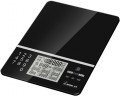 | 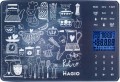 |
|---|---|---|
| Momert 6846 | Magio MG-692 | |
| Outdated Product | from $16.16 up to $24.00 | |
| User reviews | ||
| TOP sellers | ||
Calorie counting and built-in memory for 99 entries | High weighing accuracy. Evaluation of the nutritional value of products. Large LCD display with backlight. sequential weighing. Built-in thermometer. Timer function. Touch control. | |
| Type of scales | tabletop | tabletop |
| Mechanism | electronic | electronic |
| Maximum weight measurement | 5 kg | 5 kg |
| Division price | 1 g | 1 g |
Features | ||
| Functions | tarocompensation volume measurement automatic shutdown calorie calculator | tarocompensation volume measurement automatic shutdown calorie calculator timer thermometer |
General | ||
| Platform material | glass | glass |
| Power source | 3xAAA | |
| Color | ||
| Added to E-Catalog | march 2019 | december 2016 |


Compare Momert 6846 and Magio MG-692
You may be interested in
Momert 6846 often compared

Magio MG-692 often compared


Glossary
Functions
— Tare compensation. A kitchen scale function that zeros the weight of a dish, bowl, or container before weighing ingredients. After resetting to zero, the device shows only the mass of the added ingredient, excluding the tare. This is one of the most useful functions for following recipes, especially when ingredients are added to the same container one after another. For example, you can place a bowl on the platform, zero its weight, and then measure flour, sugar, butter, or grains separately.
— Volume measurement. A mode in which the device converts the mass of a liquid into milliliters or other volume units. This function is usually designed for water, milk, and liquids with a similar density, so the result is calculated. It is convenient when there is no measuring cup available or when you need to quickly measure a liquid ingredient according to a recipe. Accordingly, the scale may show not 200 g of water, but approximately 200 ml, which is more familiar in many cooking instructions.
— Automatic power-on. A function that activates the device automatically when a load appears on the platform or after a light touch. It makes operation easier because you do not always need to press the power button separately before weighing. For example, you can place a bowl on the platform, after which the scale will switch on automatically and begin measuring its weight.
— Automatic powe...r-off. The device switches off automatically after a short period of inactivity. This function helps save battery or rechargeable battery power. It is found in almost all modern electronic models, so it is best regarded as a basic convenience feature.
— Calorie calculator. Calculation of the energy value of the weighed product. Usually, you need to select a product from the built-in database or mobile app, after which the scale takes its weight into account and displays the approximate number of calories. This function is useful for dieting, sports nutrition, and monitoring one’s diet, but its accuracy depends on selecting the correct product. For example, 100 g of rice, cheese, or chicken fillet have different calorie values, so the scale requires an extensive database.
— Smartphone synchronization. The availability of a mobile app for the scale. It can be used to save measurement history, keep a food diary, count calories, and monitor dietary composition. Unlike ordinary scales, these models function not only as measuring devices but also as part of a dietary tracking system.
— Timer. An additional function for timing during cooking. It can be useful when it is important to monitor weight and time simultaneously, such as when brewing coffee, baking, fermenting, or following a precise recipe. For example, you can weigh a portion of ground coffee and immediately track the brewing time.
— Thermometer. A built-in function for displaying the temperature, most often of the surroundings or the product, if the design includes a sensor. It can be useful when preparing dishes where temperature affects the result, but it does not always replace a full-fledged kitchen thermometer. Thus, the scale can help when working with dough, beverages, chocolate, or baby food.
— Voice alerts. A function that allows the device to announce the weighing result or system messages. It is useful for people with impaired vision, elderly users, or in situations where looking at the display is inconvenient.
— Volume measurement. A mode in which the device converts the mass of a liquid into milliliters or other volume units. This function is usually designed for water, milk, and liquids with a similar density, so the result is calculated. It is convenient when there is no measuring cup available or when you need to quickly measure a liquid ingredient according to a recipe. Accordingly, the scale may show not 200 g of water, but approximately 200 ml, which is more familiar in many cooking instructions.
— Automatic power-on. A function that activates the device automatically when a load appears on the platform or after a light touch. It makes operation easier because you do not always need to press the power button separately before weighing. For example, you can place a bowl on the platform, after which the scale will switch on automatically and begin measuring its weight.
— Automatic powe...r-off. The device switches off automatically after a short period of inactivity. This function helps save battery or rechargeable battery power. It is found in almost all modern electronic models, so it is best regarded as a basic convenience feature.
— Calorie calculator. Calculation of the energy value of the weighed product. Usually, you need to select a product from the built-in database or mobile app, after which the scale takes its weight into account and displays the approximate number of calories. This function is useful for dieting, sports nutrition, and monitoring one’s diet, but its accuracy depends on selecting the correct product. For example, 100 g of rice, cheese, or chicken fillet have different calorie values, so the scale requires an extensive database.
— Smartphone synchronization. The availability of a mobile app for the scale. It can be used to save measurement history, keep a food diary, count calories, and monitor dietary composition. Unlike ordinary scales, these models function not only as measuring devices but also as part of a dietary tracking system.
— Timer. An additional function for timing during cooking. It can be useful when it is important to monitor weight and time simultaneously, such as when brewing coffee, baking, fermenting, or following a precise recipe. For example, you can weigh a portion of ground coffee and immediately track the brewing time.
— Thermometer. A built-in function for displaying the temperature, most often of the surroundings or the product, if the design includes a sensor. It can be useful when preparing dishes where temperature affects the result, but it does not always replace a full-fledged kitchen thermometer. Thus, the scale can help when working with dough, beverages, chocolate, or baby food.
— Voice alerts. A function that allows the device to announce the weighing result or system messages. It is useful for people with impaired vision, elderly users, or in situations where looking at the display is inconvenient.
Power source
The vast majority of electronic scales are powered by batteries. However, some models may feature a built-in rechargeable battery, eliminating the need for frequent replacement. Just remember to recharge the scales.
Battery-powered scales may use different types of batteries:
— AA – classic “finger-type” batteries;
— AAA – “micro-finger” batteries;
— CR2032 – so-called “button cells”.
In addition to the battery type, you should also pay attention to their quantity in the battery compartment.
Battery-powered scales may use different types of batteries:
— AA – classic “finger-type” batteries;
— AAA – “micro-finger” batteries;
— CR2032 – so-called “button cells”.
In addition to the battery type, you should also pay attention to their quantity in the battery compartment.