
Comparison Beurer PM 90 vs Beurer PM 80
Add to comparison | 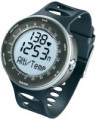 | 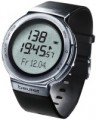 |
|---|---|---|
| Beurer PM 90 | Beurer PM 80 | |
from $118.72 up to $236.76 | from £61.26 | |
| TOP sellers | ||
Automatic determination of training zones and maximum volume of inhaled oxygen. Digital channel between the heart rate sensor and the watch. Long battery life. Lack of synchronization with a smartphone. Runs on batteries. | ||
| Device type | heart rate monitor | heart rate monitor |
| Mount | on the wrist | on the wrist |
| Heart rate sensor | external | external |
Specs | ||
| Display shape | round | round |
| Display | monochrome | monochrome |
| Display backlight |  | |
| Possible measurements | pulse rate calories burned amount of fat burned average/max. heart rate | pulse rate calories burned amount of fat burned average/max. heart rate |
| Sensors and modules | thermometer altimeter barometer (pressure) | |
| Features | watches alarm clock calendar stopwatch | watches alarm clock calendar stopwatch |
More features | ||
| Individual settings | gender age weight growth individual training area | gender age weight growth individual training area |
General | ||
| Source of power | battery | battery |
| Water protection | + | + |
| Waterproof | 50 m | 50 m |
| Built-in memory | | |
| Dimensions | 46x46x14 mm | 52x45x14 mm |
| Weight | 50 g | 45 g |
| Added to E-Catalog | december 2014 | december 2014 |


Compare Beurer PM 90 and PM 80
You may be interested in
My comparisons
Beurer PM 90 often compared


Beurer PM 80 often compared

Glossary
Sensors and modules
Sensors and measurement modules provided in the design of the gadget.
— GPS module. A GPS receiver helps pinpoint a device's current coordinates. Its applications range from calculating distances in sports gadgets to more advanced functions such as full-fledged navigation with optimal route determination, depending on the device's features.
— Altimeter. The altimeter, detecting device height, operates through various principles. In GPS-equipped models, it uses a geographic database to determine height based on coordinates. Those with a barometer calculate altitude from pressure differences, often referencing a starting point or a hypothetical sea level. While the GPS method is more precise in measuring ground surface height, it overlooks objects like stairs or towers. Barometer-based measurement is affected by weather changes but provides the actual height of the device.
— Thermometer. A sensor that detects the ambient temperature. This data can be useful both for assessing general comfort levels (personal impressions can be deceiving, especially if you will be outside for a long time), and for specific tasks — for example, improvised weather forecasts (in combination with barometer data and other observations).
— Barometer. A s...ensor measures atmospheric pressure, commonly used to forecast weather changes. Its applications extend beyond this, including the ability to gauge height differences even when a dedicated altimeter is not present. It's worth noting that this function is applicable only to gadgets capable of displaying atmospheric pressure data on the screen; altimeters with barometric sensors lacking this feature are not included in this category.
— Compass. A traditional compass is a device for determining the cardinal directions, one of the basic instruments for any navigation. In modern heart rate monitors and other sports gadgets, usually, a digital compass is used, which displays data directly on the display.
— GPS module. A GPS receiver helps pinpoint a device's current coordinates. Its applications range from calculating distances in sports gadgets to more advanced functions such as full-fledged navigation with optimal route determination, depending on the device's features.
— Altimeter. The altimeter, detecting device height, operates through various principles. In GPS-equipped models, it uses a geographic database to determine height based on coordinates. Those with a barometer calculate altitude from pressure differences, often referencing a starting point or a hypothetical sea level. While the GPS method is more precise in measuring ground surface height, it overlooks objects like stairs or towers. Barometer-based measurement is affected by weather changes but provides the actual height of the device.
— Thermometer. A sensor that detects the ambient temperature. This data can be useful both for assessing general comfort levels (personal impressions can be deceiving, especially if you will be outside for a long time), and for specific tasks — for example, improvised weather forecasts (in combination with barometer data and other observations).
— Barometer. A s...ensor measures atmospheric pressure, commonly used to forecast weather changes. Its applications extend beyond this, including the ability to gauge height differences even when a dedicated altimeter is not present. It's worth noting that this function is applicable only to gadgets capable of displaying atmospheric pressure data on the screen; altimeters with barometric sensors lacking this feature are not included in this category.
— Compass. A traditional compass is a device for determining the cardinal directions, one of the basic instruments for any navigation. In modern heart rate monitors and other sports gadgets, usually, a digital compass is used, which displays data directly on the display.