
Comparison Esperanza Quasar vs Saturn ST-CO9155
Add to comparison | 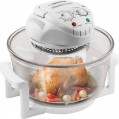 | 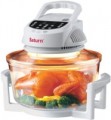 |
|---|---|---|
| Esperanza Quasar | Saturn ST-CO9155 | |
from £74.00 | from £104.09 | |
| User reviews | ||
| TOP sellers | ||
High power. 10 cooking methods. Electronic control. Autocook. Expansion ring. Recipe book. | ||
| Type | classic air fryer | classic air fryer |
| Power | 1400 W | 1400 W |
| Programmes | autocooking | |
Specs | ||
| A heating element | halogen | halogen |
| cooking t | to 250 °С | |
| Bowl capacity | 12 L | 12 L |
| Glass bowl |  | |
| Magnifying ring | | |
| Features | heat indicator | delay start timer self-cleaning |
General | ||
| Control | control knob | push-button |
| Lid | removable | removable |
| Cable length | 1 m | |
| Material | plastic | plastic |
| Dimensions (HxWxD) | 380x330x205 mm | |
| Weight | 5.9 kg | |
| Color | ||
| Added to E-Catalog | july 2022 | august 2012 |


Compare Esperanza Quasar and Saturn ST-CO9155
You may be interested in
Esperanza Quasar often compared

Saturn ST-CO9155 often compared

Glossary
Programmes
Cooking programs provided in the device. The most common cooking programs are: fries, chips, chicken, meat, shrimps, fish, pizza, vegetables.
— Fries. The fryer offers a specialized automatic cooking program designed specifically for preparing dishes like crispy potatoes, mushrooms, or meat in batter. While these dishes can be cooked in any deep fryer, this program simplifies the process. With this program, users no longer need to manually monitor the cooking time and temperature. They simply load the ingredients, select the appropriate mode, start the cooking process, and wait for it to complete. In multi-ovens and air fryers, this type of cooking can be achieved with minimal amounts of oil or even without oil at all, providing healthier cooking options.
— Chips. The fryer offers a dedicated cooking program specifically designed for making potato chips, which are thin and crispy slices of potato. While chips can be cooked in any deep fryer, if the device does not have a built-in cooking program, users will need to manually configure the cooking parameters and closely monitor the process. Alternatively, the option to cook chips may also be available in multi-ovens and convection ovens (...see "Type"), expanding the cooking possibilities beyond traditional deep fryers.
— Chicken. A cooking program specifically designed for cooking chicken meat is commonly available in multi-ovens and air fryers. This program typically involves baking the chicken. However, deep fryers are less commonly equipped with this specific program. In deep fryers, the emphasis is usually on frying chicken with batter or without it.
— Meat. Program for cooking meat (veal, pork, etc.). It is used mainly in multi-ovens and air fryers, which means roasting meat.
— Shrimps. A cooking program specifically designed for cooking shrimps is commonly available in deep fryers, which typically allow frying shrimp in tempura batter. Air fryers and multi-ovens, on the other hand, may offer different cooking options for shrimps, such as boiling, particularly in the case of multi-ovens.
— Fish. Programme for cooking fish. In deep fryers (see "Type") fish is most often cooked in batter, in small pieces; it is possible to bake the whole fish, if the volume of the working space allows it in multi-ovens and air fryers.
— Pizza. A programme optimized for pizza making. The "Pizza" program, commonly found in multi-ovens, ensures that Italian dishes, as well as casseroles and pies, are cooked evenly on all sides. This program is designed to create a crispy crust on the top while maintaining a juicy filling inside.
— Vegetables. The "Vegetables" program, commonly available in multi-ovens, is characterized by its moderate temperature setting. It allows for slow and gentle heating of vegetables, similar to stewing. This program is ideal for preparing various vegetable-based dishes such as side dishes, stews, complex dishes and soup dressings.
— Auto-cooking. In addition to those described above, the design may also provide for other types of auto-cooking programs — for example, for mushrooms, barbecue, baking bread, etc.
— Fries. The fryer offers a specialized automatic cooking program designed specifically for preparing dishes like crispy potatoes, mushrooms, or meat in batter. While these dishes can be cooked in any deep fryer, this program simplifies the process. With this program, users no longer need to manually monitor the cooking time and temperature. They simply load the ingredients, select the appropriate mode, start the cooking process, and wait for it to complete. In multi-ovens and air fryers, this type of cooking can be achieved with minimal amounts of oil or even without oil at all, providing healthier cooking options.
— Chips. The fryer offers a dedicated cooking program specifically designed for making potato chips, which are thin and crispy slices of potato. While chips can be cooked in any deep fryer, if the device does not have a built-in cooking program, users will need to manually configure the cooking parameters and closely monitor the process. Alternatively, the option to cook chips may also be available in multi-ovens and convection ovens (...see "Type"), expanding the cooking possibilities beyond traditional deep fryers.
— Chicken. A cooking program specifically designed for cooking chicken meat is commonly available in multi-ovens and air fryers. This program typically involves baking the chicken. However, deep fryers are less commonly equipped with this specific program. In deep fryers, the emphasis is usually on frying chicken with batter or without it.
— Meat. Program for cooking meat (veal, pork, etc.). It is used mainly in multi-ovens and air fryers, which means roasting meat.
— Shrimps. A cooking program specifically designed for cooking shrimps is commonly available in deep fryers, which typically allow frying shrimp in tempura batter. Air fryers and multi-ovens, on the other hand, may offer different cooking options for shrimps, such as boiling, particularly in the case of multi-ovens.
— Fish. Programme for cooking fish. In deep fryers (see "Type") fish is most often cooked in batter, in small pieces; it is possible to bake the whole fish, if the volume of the working space allows it in multi-ovens and air fryers.
— Pizza. A programme optimized for pizza making. The "Pizza" program, commonly found in multi-ovens, ensures that Italian dishes, as well as casseroles and pies, are cooked evenly on all sides. This program is designed to create a crispy crust on the top while maintaining a juicy filling inside.
— Vegetables. The "Vegetables" program, commonly available in multi-ovens, is characterized by its moderate temperature setting. It allows for slow and gentle heating of vegetables, similar to stewing. This program is ideal for preparing various vegetable-based dishes such as side dishes, stews, complex dishes and soup dressings.
— Auto-cooking. In addition to those described above, the design may also provide for other types of auto-cooking programs — for example, for mushrooms, barbecue, baking bread, etc.
cooking t
The cooking temperature provided by the device. Most models are adjustable, so this item indicates the operating temperature range.
Deep frying is carried out at temperatures from 130 to 190 °С200 °С. But high operating temperatures (over 200°) are less common.
Deep frying is carried out at temperatures from 130 to 190 °С200 °С. But high operating temperatures (over 200°) are less common.
Features
Functions and features describe design and software characteristics that complement the main cooking modes. They affect the convenience of cooking several foods at once, process control, cleaning, and safety. The usefulness of each function depends on the use case: two chambers are important for preparing different dishes, while a viewing window allows visual monitoring without opening the appliance.
— 2 separate compartments. The appliance has two independent chambers for which the temperature and time can be set separately, if supported by the model’s controls. This format makes it possible to cook foods with different requirements at the same time, such as chicken and vegetables, without mixing them in one basket. Compared with one large bowl, it is more flexible, but each separate compartment has a smaller usable capacity. A vertical layout saves space in width, while a horizontal layout is usually more convenient for accessing both baskets.
— Removable divider. The divider turns one wide bowl into two zones and can be removed when a single space is needed for a large dish. This is more versatile than two fully independent baskets, as it allows you to choose between separate and shared loading. When the divider is installed, odors and airflow may not be separated as completely as in independent sealed chambers. For example, it is convenient to install it when cooking potatoes and nuggets at the same time, and remove...it for a whole chicken.
— Keep-warm function. After the program ends, the appliance maintains moderate heat so that the prepared dish does not cool before serving. The function is useful when the side dish and main course finish cooking at different times or when the family does not sit down to eat immediately. It does not replace long-term food storage and may dry out the surface if operated for too long. A practical use case is keeping potatoes or a casserole warm for a short time before dinner.
— Viewing window. A transparent insert in the bowl, door, or lid allows you to see the degree of browning without opening the chamber. This reduces heat loss and helps you stop a short cycle at the right time, especially when baking, making chips, or cooking small portions. Compared with a completely opaque basket, it makes monitoring more convenient, although the glass must be cleaned regularly to remove grease and condensation. In a classic halogen oven, the entire glass bowl may be transparent, making it convenient to observe the food from different sides.
— Odor filter. Before leaving the appliance, the air passes through a filter element that reduces the intensity of cooking odors. The function is especially useful when preparing fish, fatty meat, and foods with a strong aroma, but it does not completely replace kitchen ventilation. The filter gradually becomes dirty and may require cleaning or replacement according to the instructions. Its effectiveness decreases without maintenance, so the availability of replacement elements should be taken into account.
— Heating indicator. A light signal or display indication shows that the appliance is heating up or has already reached the operating temperature. This helps you load the food at the right moment and follow recipes requiring preheating more precisely. The indicator does not measure whether the dish itself is ready and may continue to activate when the thermostat is maintaining the temperature. For example, after it switches, you can place pizza or meat in a preheated chamber.
— Non-stick coating. The inner surface of the bowl or basket has a layer that reduces food sticking and makes it easier to remove grease. It allows many dishes to be prepared with a small amount of oil and simplifies cleaning after cooking potatoes, fish, or baked goods. Compared with unprotected metal, the coating requires more careful handling: metal spatulas, stiff brushes, and abrasives can damage it. Removable parts should be cleaned using the method specified by the manufacturer.
— Delayed-start timer. The user sets in advance the time after which the appliance should start the selected program. The function is convenient for ingredients that can safely remain in the bowl without refrigeration, such as certain grains or dry preparations. Unlike a regular timer, it controls the start rather than only the end of the cycle. Perishable foods should not be left at room temperature for a long time before starting.
— Child lock. The control-panel lock prevents accidental changes to the temperature, time, or program during operation. It is useful in homes with small children and with touch controls that can easily be activated while wiping the surface. The function does not make the hot housing or escaping steam safe, so the appliance should still be placed out of a child’s reach. The lock is usually released by pressing and holding the specified key combination.
— Self-cleaning. A special cycle softens grease and stuck-on residue using heat, water, or circulating air, depending on the design. It reduces manual work, especially with a heavy glass bowl, but does not eliminate the need to rinse and wipe the parts afterward. Compared with ordinary washing, the mode is more convenient for fresh dirt and less effective against long-standing burnt-on residue. Water and detergent should be used only in the amount specified in the instructions.
— 2 separate compartments. The appliance has two independent chambers for which the temperature and time can be set separately, if supported by the model’s controls. This format makes it possible to cook foods with different requirements at the same time, such as chicken and vegetables, without mixing them in one basket. Compared with one large bowl, it is more flexible, but each separate compartment has a smaller usable capacity. A vertical layout saves space in width, while a horizontal layout is usually more convenient for accessing both baskets.
— Removable divider. The divider turns one wide bowl into two zones and can be removed when a single space is needed for a large dish. This is more versatile than two fully independent baskets, as it allows you to choose between separate and shared loading. When the divider is installed, odors and airflow may not be separated as completely as in independent sealed chambers. For example, it is convenient to install it when cooking potatoes and nuggets at the same time, and remove...it for a whole chicken.
— Keep-warm function. After the program ends, the appliance maintains moderate heat so that the prepared dish does not cool before serving. The function is useful when the side dish and main course finish cooking at different times or when the family does not sit down to eat immediately. It does not replace long-term food storage and may dry out the surface if operated for too long. A practical use case is keeping potatoes or a casserole warm for a short time before dinner.
— Viewing window. A transparent insert in the bowl, door, or lid allows you to see the degree of browning without opening the chamber. This reduces heat loss and helps you stop a short cycle at the right time, especially when baking, making chips, or cooking small portions. Compared with a completely opaque basket, it makes monitoring more convenient, although the glass must be cleaned regularly to remove grease and condensation. In a classic halogen oven, the entire glass bowl may be transparent, making it convenient to observe the food from different sides.
— Odor filter. Before leaving the appliance, the air passes through a filter element that reduces the intensity of cooking odors. The function is especially useful when preparing fish, fatty meat, and foods with a strong aroma, but it does not completely replace kitchen ventilation. The filter gradually becomes dirty and may require cleaning or replacement according to the instructions. Its effectiveness decreases without maintenance, so the availability of replacement elements should be taken into account.
— Heating indicator. A light signal or display indication shows that the appliance is heating up or has already reached the operating temperature. This helps you load the food at the right moment and follow recipes requiring preheating more precisely. The indicator does not measure whether the dish itself is ready and may continue to activate when the thermostat is maintaining the temperature. For example, after it switches, you can place pizza or meat in a preheated chamber.
— Non-stick coating. The inner surface of the bowl or basket has a layer that reduces food sticking and makes it easier to remove grease. It allows many dishes to be prepared with a small amount of oil and simplifies cleaning after cooking potatoes, fish, or baked goods. Compared with unprotected metal, the coating requires more careful handling: metal spatulas, stiff brushes, and abrasives can damage it. Removable parts should be cleaned using the method specified by the manufacturer.
— Delayed-start timer. The user sets in advance the time after which the appliance should start the selected program. The function is convenient for ingredients that can safely remain in the bowl without refrigeration, such as certain grains or dry preparations. Unlike a regular timer, it controls the start rather than only the end of the cycle. Perishable foods should not be left at room temperature for a long time before starting.
— Child lock. The control-panel lock prevents accidental changes to the temperature, time, or program during operation. It is useful in homes with small children and with touch controls that can easily be activated while wiping the surface. The function does not make the hot housing or escaping steam safe, so the appliance should still be placed out of a child’s reach. The lock is usually released by pressing and holding the specified key combination.
— Self-cleaning. A special cycle softens grease and stuck-on residue using heat, water, or circulating air, depending on the design. It reduces manual work, especially with a heavy glass bowl, but does not eliminate the need to rinse and wipe the parts afterward. Compared with ordinary washing, the mode is more convenient for fresh dirt and less effective against long-standing burnt-on residue. Water and detergent should be used only in the amount specified in the instructions.
Control
— Rotary switch. Control carried out by mechanical elements directly connected to the corresponding components of the device. The traditional, most popular option provides two rotary knobs: a thermostat and an off timer with a clock mechanism (see “Functions”). The main advantages of this type of control are simplicity and low cost. At the same time, the capabilities of the “mechanics”, although modest, are quite sufficient to control all key functions. Among the clear disadvantages compared to electronic control, it is worth noting less accuracy.
- Push-button. Push-button control is based on electronic circuits. Such systems are more accurate than mechanical ones; more capabilities and modes are provided. On the other hand, such control is more complex and more expensive than mechanical control.
- Touch. A type of electronic control with touch switches. Compared to push-button models, it provides a high level of comfort in operation, and looks more modern and aesthetically pleasing. Touch control is found mainly in top models of juicers.
— Rotary switch with sensor. Another type of electronic control, where the main control is a rotary switch, which is complemented by touch buttons. The switch itself simplifies the selection of modes, temperature, timer time, and the sens...ors are secondary. However, the control panel itself looks stylish and is not inferior in design to models with touch controls only.
- Push-button. Push-button control is based on electronic circuits. Such systems are more accurate than mechanical ones; more capabilities and modes are provided. On the other hand, such control is more complex and more expensive than mechanical control.
- Touch. A type of electronic control with touch switches. Compared to push-button models, it provides a high level of comfort in operation, and looks more modern and aesthetically pleasing. Touch control is found mainly in top models of juicers.
— Rotary switch with sensor. Another type of electronic control, where the main control is a rotary switch, which is complemented by touch buttons. The switch itself simplifies the selection of modes, temperature, timer time, and the sens...ors are secondary. However, the control panel itself looks stylish and is not inferior in design to models with touch controls only.