
Comparison Enchen Sharp 3 vs Enchen Sharp 3S
Add to comparison | 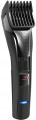 | 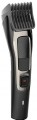 |
|---|---|---|
| Enchen Sharp 3 | Enchen Sharp 3S | |
from £29.00 | from £15.24 | |
| User reviews | ||
| TOP sellers | ||
| Main function | clipper | clipper |
In box | ||
| Functions of attachments/heads | clipper blade | clipper blade |
| Combs of variable length | 1 pc | 1 pc |
Specs | ||
| Haircut length | up to 20 mm | up to 20 mm |
| Number of length settings | 20 | |
| Blade width | 45 mm | |
| Number of revolutions of the motor | 7300 rpm | 7300 rpm |
| Blades material/coating | titanium | stainless steel |
Power source | ||
| Power supply | built-in battery | built-in battery |
| Battery type | Li-Ion | Li-Ion |
| Battery capacity | 600 mAh | 600 mAh |
| Operating time | 120 min | |
| Charging time | 2 h | |
| Charging port on the body | branded | branded |
General | ||
| Weight | 139 g | |
| Color | ||
| Added to E-Catalog | november 2020 | june 2020 |


Compare Enchen Sharp 3 and Sharp 3S
You may be interested in
Glossary
Number of length settings
The number of haircut length options provided in the design of the clipper or the design of the nozzle. The more such options, the more versatile the clipper and the more cutting options it provides.
Blade width
The width of the operating tool (blade) of the clipper. A wide blade is important for head hair trimmers, as it allows you to capture more hair in one pass and cuts faster. In turn, beard and mustache clippers use narrower knives, which is useful for fine work to give facial hair the desired shape.
Blades material/coating
— Stainless steel. The standout feature of stainless steel is its exceptional resistance to rusting. When the clipper or trimmer boasts a sealed casing, the stainless steel cutting head can be conveniently cleaned using water pressure. While stainless steel is common in lower-tier devices and its blades can endure high temperatures, they tend to lose sharpness relatively swiftly.
— Titanium. Titanium alloys showcase impressive durability against substantial mechanical strain. The titanium cutting edge adeptly manages hair of various thicknesses and densities, retaining its sharpness admirably. Tools equipped with a titanium blade are reliable for frequent usage, notably in beauty salons. However, the drawback lies in their notably steep expense.
— Ceramic. Ceramic offers remarkable strength; its blades remain cool and sharp over time. Machines or trimmers featuring ceramic blades effortlessly handle even the thickest hair, allowing for frequent and prolonged use. Interestingly, models with ceramic blades often come at a more affordable price compared to those with titanium blades. Nonetheless, fragility is a significant drawback of ceramics; these blades are susceptible to damage from impacts and falls. Clippers and trimmers that are equipped with a ceramic cutting part must be handled with extreme delicacy.
— Titanium ceramics.... Blades made of ceramic with a high titanium content. Ceramic in the context of the material used improves cutting performance, reduces friction and maintains a sharpness for a long time, and the titanium coating gives the blades strength, provides resistance to wear and corrosion. Titanium-ceramic blades are good for cutting coarse, thick hair, but they are quite expensive.
— Diamond. Diamond-coated blades have increased edge strength. Typically, these blades are based on steel, most often stainless, but thanks to diamond coating, the knife acquires higher reliability and durability. Of course, the presence of diamond coating on the blade significantly increases the cost of the device.
— Steel. Steel blades are the budget-friendly option. Steel performs effectively in devices used sporadically, mainly for home purposes. Although steel edges tend to lose sharpness relatively swiftly, their durability can be enhanced through the application of protective coatings like diamond, ceramic, or titanium. Clippers or trimmers with uncoated steel blades typically fall into the low-cost category.
— Graphite. Graphite coating is typical for stainless steel blades, it allows the blade to glide more easily through hair and skin and generally increases the efficiency and convenience of working with such a device. Most often, detachable trimmer blades are equipped with graphite coating.
— Titanium. Titanium alloys showcase impressive durability against substantial mechanical strain. The titanium cutting edge adeptly manages hair of various thicknesses and densities, retaining its sharpness admirably. Tools equipped with a titanium blade are reliable for frequent usage, notably in beauty salons. However, the drawback lies in their notably steep expense.
— Ceramic. Ceramic offers remarkable strength; its blades remain cool and sharp over time. Machines or trimmers featuring ceramic blades effortlessly handle even the thickest hair, allowing for frequent and prolonged use. Interestingly, models with ceramic blades often come at a more affordable price compared to those with titanium blades. Nonetheless, fragility is a significant drawback of ceramics; these blades are susceptible to damage from impacts and falls. Clippers and trimmers that are equipped with a ceramic cutting part must be handled with extreme delicacy.
— Titanium ceramics.... Blades made of ceramic with a high titanium content. Ceramic in the context of the material used improves cutting performance, reduces friction and maintains a sharpness for a long time, and the titanium coating gives the blades strength, provides resistance to wear and corrosion. Titanium-ceramic blades are good for cutting coarse, thick hair, but they are quite expensive.
— Diamond. Diamond-coated blades have increased edge strength. Typically, these blades are based on steel, most often stainless, but thanks to diamond coating, the knife acquires higher reliability and durability. Of course, the presence of diamond coating on the blade significantly increases the cost of the device.
— Steel. Steel blades are the budget-friendly option. Steel performs effectively in devices used sporadically, mainly for home purposes. Although steel edges tend to lose sharpness relatively swiftly, their durability can be enhanced through the application of protective coatings like diamond, ceramic, or titanium. Clippers or trimmers with uncoated steel blades typically fall into the low-cost category.
— Graphite. Graphite coating is typical for stainless steel blades, it allows the blade to glide more easily through hair and skin and generally increases the efficiency and convenience of working with such a device. Most often, detachable trimmer blades are equipped with graphite coating.
Operating time
The typical duration of uninterrupted operation for a clipper powered by a self-contained source (battery or rechargeable batteries, refer to Power Source) without requiring a recharge or battery replacement. Extended continuous operation time becomes particularly crucial when intending to use the clipper in locations where recharging or battery changes are unavailable, such as during long trips.
Charging time
Time to fully (from 0 to 100%) charge the battery of the clipper. For rare cases of using the model, charging time is not so relevant, but for everyday use it is better to choose fast charging clippers.
Weight
The weight of the clipper/trimmer is especially important when the device is planned to be used often and for a long time. The less the clipper/trimmer weighs, the less the user's hand will get tired. Of course, there is a direct relationship between the mass of the device and its performance. Powerful clippers/trimmers use a larger and heavier motor. Additionally, the weight of the device increases due to the presence of a battery pack.