
Blood Pressure Kit Medical Double Head Accurate Measurement Manual Cuff
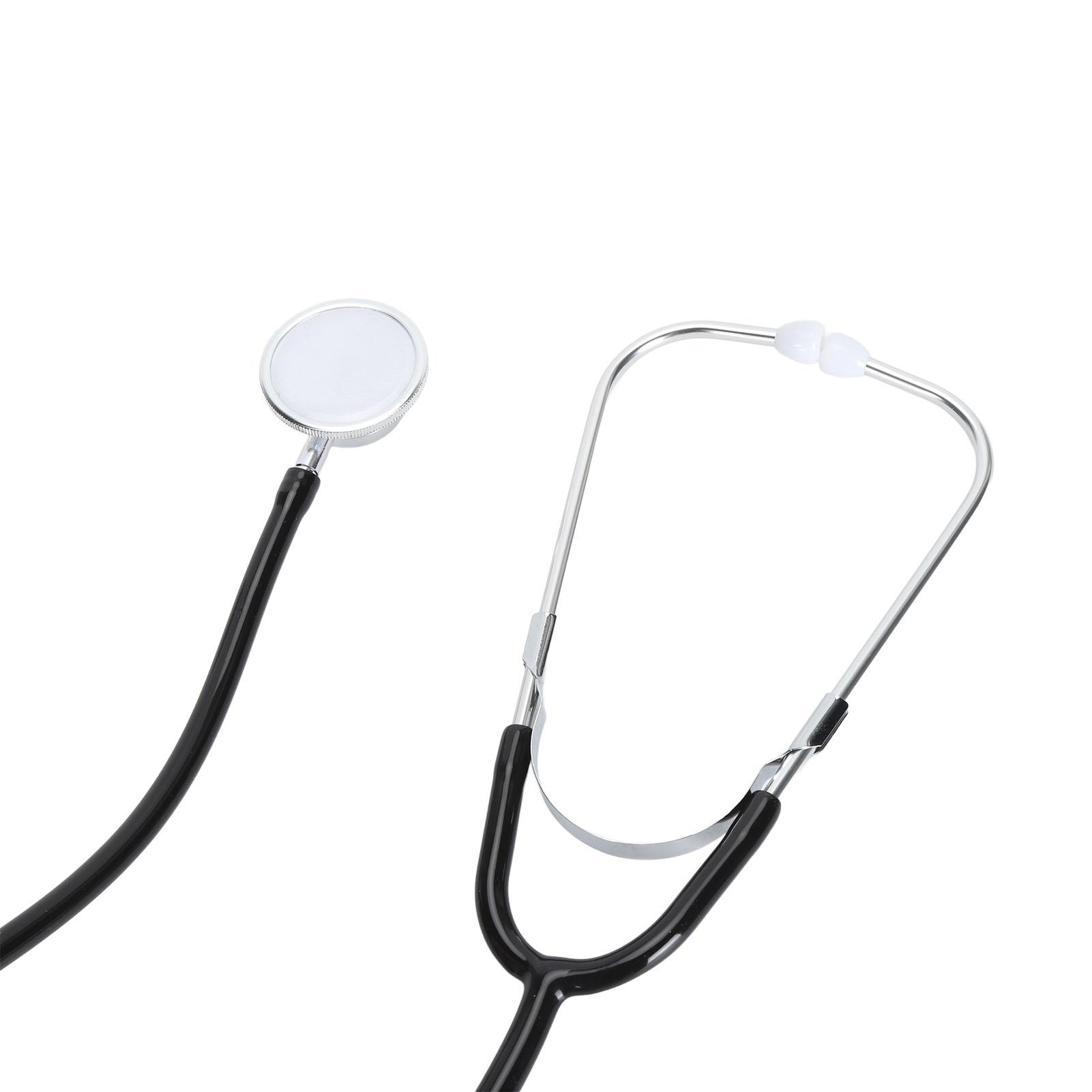 |
Buy Blood Pressure Kit Medical Double Head Accurate Measurement Manual Cuff
When you make a purchase through links on our site, we may receive a affiliate commission.
Blood Pressure Kit Medical Double Head Stethoscope Accurate Measurement Manual Cuff | £9.60 |  | |||
Feature: 1. Accurate Measurement: The advantage of using a manual sphygmomanometer is the accuracy of its results, as the results are verified by a stethoscope. 2. Manual Type: Cuff sphygmomanometer allows you to control the pressure manually, ensuring a comfortable experience. The stethoscope length of 70cm enables easy auscultation. 3. Applicable Population: This type of medical stethoscope is very suitable for students teaching equipment, or daily care needs to monitor blood pressure. 4. Wide Application: Aneroid sphygmomanometer stethoscope kit is small in size for easy to carry, suitable for home, school, etc., for more accurate pulse measurement. 5. Usage: Blood pressure kit designed to work in various environments. Its working temperature range of 10 degrees C‑40 degrees C allows for reliable measurements regardless of the ambient conditions. Specification: Item Type: Aneroid Sphygmomanometer with Stethoscope Material: Aluminum Alloy, PVC, Rubber Measurement Range: Blood Pressure 0-300mmHg Measuring Arm Circumference Size: Approx. 22-35cm 8.66-13.78in Measurement Accuracy: Blood Pressure +-0.4kPa (+-3mmHg) Pulse Reading Accuracy: +-5percent Working Temperature: 10 degrees C-40 degrees C PressurizationDecompression Type: Manual Mechanical Minimum Scale: 2mmHg Stethoscope Length: Approx. 70cm 27.56in Cuff Length: Approx. 51 x 13.7cm 20.08 x 5.39in How to Use: 1. Placing the Cuff Before measuring your blood pressure, plan to relax and rest for at least 15 minutes. This will reduce errors caused by physical activity. If you are right handed, place the cuff on your left arm with your left palm facing up. Whether sitting or lying down, ensure that your arm is at the same level as your heart. Rotate the cuff so that the stethoscope diaphragm (sound head) is positioned on the inner side of the arm above the elbow. It is located in the indentation near the elbow joint on the major artery (this artery can also be found by feeling the pulse). Grasp the end of the cuff, pull it tight, and wrap it around your arm. Use the hook and loop fastener to securely fasten the cuff together. 2. Inflating the Cuff Feel the pulse of the artery with your fingertips to ensure that the head of the stethoscope is directly above the artery. Insert the stethoscope earpiece (adjust the stethoscope by rotating it to fit your ear) and hold the manometer in your left hand or clamp it onto the cuff that provides the reading. Close the airflow valve on the bulb (clockwise rotation), but do not overtighten. Use your right hand to repeatedly squeeze the bulb and inflate the cuff. Inflate the cuff while listening to the pulse. Pay attention to the gauge. When you can no longer hear the pulse, increase the pressure by an additional 30 mmHg. 3. Slowly deflate cuffs Slowly open the valve counterclockwise so that the pressure drops by 2-4mmHg with each beating of the heart. (This usually means dropping one or two scales on the meter every
The product description is generated based on data from online stores. Before purchasing be sure to verify all information directly with the seller.
Screenless Fitness Bands: Pros and Cons of the New TrendFinding out if screenless fitness trackers can replace models with displays and compete with smartwatches?
Devices for Creating a Healthy Indoor MicroclimateEquipment that ensures optimal temperature, humidity levels, and air quality in the home.
How to place an order?How to add store?
Remember that the online store is responsible for the accuracy of information regarding price, warranty, and delivery!
You may be interested in