Catalog   /   Kids & Toys   /   Toys & Hobbies   /   Model Building Kits   /   Aedes Ars

Aedes Ars Foix Castle Architectural Brick Model Kit
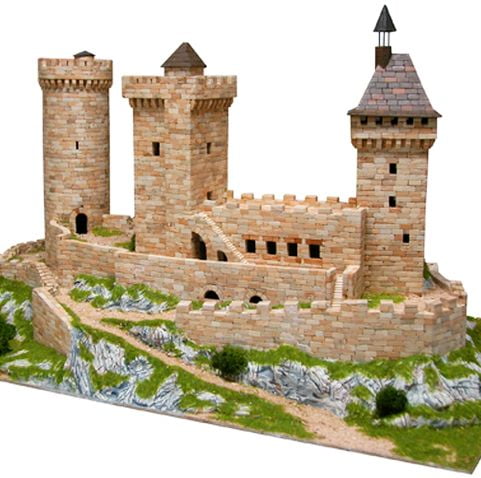
Photos - Model Building Kit Aedes Ars Foix Castle Architectural Brick Model Kit
Compare prices 2 →
When you make a purchase through links on our site, we may receive a affiliate commission.
 £79.95  £79.95
add to listmy lists

Buy Aedes Ars Foix Castle Architectural Brick Model Kit

When you make a purchase through links on our site, we may receive a affiliate commission.

Aedes Ars Foix Castle Architectural Brick Model Kit

Aedes Ars Foix Castle SPECIFICATIONS: Approximate number of pieces: 8,250 Difficulty degree: 8/10 Sizes: 400 x 500 x 415mm Scale: 1/170   FEATURES: These kits contain high-quality ceramic pieces (which simulate the stones and original materials), a cardboard structure, glue, scenic materials, and instructions.  Aedes Ars produces a wid... moree range of building sets used for the scale reproduction of historical monuments such as castles, churches, bridges, and lighthouses (some are recognised World Heritage Sites), as well as diverse miniature buildings of typical country architecture.   HISTORY: The Château de Foix is a castle which dominates the town of Foix in the French department of Ariège. An important tourist site, it is known as a centre of the Cathars. It was listed in the 19th century as a historical monument by the French Ministry of Culture. Built on an older 7th-century fortification, the castle is known from 987. In 1002, it was mentioned in the will of Roger I, Count of Carcassonne, who bequeathed the fortress to his youngest child, Bernard. In effect, the family ruling over the region was installed here, which allowed them to control access to the upper Ariège valley and to keep surveillance from this strategic point over the lower land, protected behind impregnable walls. In 1034, the castle became the capital of the County of Foix and played a decisive role in medieval military history. During the two following centuries, the castle was home to Counts with shining personalities who became the soul of the Occitan resistance during the crusade against the Albigensians. The county became a privileged refuge for persecuted Cathars. The castle, often besieged (notably by Simon de Montfort in 1211 and 1212), resisted assault and was only taken once, in 1486, thanks to treachery during the war between two branches of the Foix family. From the 14th century, the Counts of Foix spent less and less time in the uncomfortable castle, preferring the Governors' Palace (Palais des gouverneurs). From 1479, the Counts of Foix became Kings of Navarre and the last of them, Henri IV of France, annexed his Pyrenean lands to France. As the seat of the Governor of the Foix region from the 15th century, the castle continued to ensure the defence of the area, notably during the Wars of Religion. Unlike all the castles in the region, it was exempted from the destruction orders of Richelieu (1632-1638). Until the Revolution, the fortress remained a garrison. Its life was brightened with grand receptions for its governors, including the Count of Tréville, captain of musketeers under Louis XIII and Marshal Philippe Henri de Ségur, one of Louis XVI's ministers. The Round Tower, built in the 15th century, is the most recent, the two square towers having been built before the 11th century. They served as a political and civil prison for four centuries until 1862. Since 1930, the castle has housed the collections of the Ariège
Medino.com
Delivery: to United Kingdom
Report
£79.95

Aedes Ars Foix Castle Architectural Brick Model Kit AED1010

Aedes Ars Foix Castle SPECIFICATIONS: Approximate number of pieces: 8,250 Difficulty degree: 8/10 Sizes: 400 x 500 x 415mm Scale: 1/170   FEATURES: These kits contain high-quality ceramic pieces (which simulate the stones and original materials), a cardboard structure, glue, scenic materials, and instructions.  Aedes Ars produces a wid... moree range of building sets used for the scale reproduction of historical monuments such as castles, churches, bridges, and lighthouses (some are recognised World Heritage Sites), as well as diverse miniature buildings of typical country architecture.   HISTORY: The Château de Foix is a castle which dominates the town of Foix in the French department of Ariège. An important tourist site, it is known as a centre of the Cathars. It was listed in the 19th century as a historical monument by the French Ministry of Culture. Built on an older 7th-century fortification, the castle is known from 987. In 1002, it was mentioned in the will of Roger I, Count of Carcassonne, who bequeathed the fortress to his youngest child, Bernard. In effect, the family ruling over the region was installed here, which allowed them to control access to the upper Ariège valley and to keep surveillance from this strategic point over the lower land, protected behind impregnable walls. In 1034, the castle became the capital of the County of Foix and played a decisive role in medieval military history. During the two following centuries, the castle was home to Counts with shining personalities who became the soul of the Occitan resistance during the crusade against the Albigensians. The county became a privileged refuge for persecuted Cathars. The castle, often besieged (notably by Simon de Montfort in 1211 and 1212), resisted assault and was only taken once, in 1486, thanks to treachery during the war between two branches of the Foix family. From the 14th century, the Counts of Foix spent less and less time in the uncomfortable castle, preferring the Governors' Palace (Palais des gouverneurs). From 1479, the Counts of Foix became Kings of Navarre and the last of them, Henri IV of France, annexed his Pyrenean lands to France. As the seat of the Governor of the Foix region from the 15th century, the castle continued to ensure the defence of the area, notably during the Wars of Religion. Unlike all the castles in the region, it was exempted from the destruction orders of Richelieu (1632-1638). Until the Revolution, the fortress remained a garrison. Its life was brightened with grand receptions for its governors, including the Count of Tréville, captain of musketeers under Louis XIII and Marshal Philippe Henri de Ségur, one of Louis XVI's ministers. The Round Tower, built in the 15th century, is the most recent, the two square towers having been built before the 11th century. They served as a political and civil prison for four centuries until 1862. Since 1930, the castle has housed the collections of the Ariège
Hobbies.co.uk
Delivery: in United Kingdom
Report
£79.95
Aedes Ars Foix Castle SPECIFICATIONS: Approximate number of pieces: 8,250 Difficulty degree: 8/10 Sizes: 400 x 500 x 415mm Scale: 1/170   FEATURES: These kits contain high-quality ceramic pieces (which simulate the stones and original materials), a cardboard structure, glue, scenic materials, and instructions.  Aedes Ars produces a wide range of building sets used for the scale reproduction of historical monuments such as castles, churches, bridges, and lighthouses (some are recognised World Heritage Sites), as well as diverse miniature buildings of typical country architecture.   HISTORY: The Château de Foix is a castle which dominates the town of Foix in the French department of Ariège. An important tourist site, it is known as a centre of the Cathars. It was listed in the 19th century as a historical monument by the French Ministry of Culture. Built on an older 7th-century fortification, the castle is known from 987. In 1002, it was mentioned in the will of Roger I, Count of Carcassonne, who bequeathed the fortress to his youngest child, Bernard. In effect, the family ruling over the region was installed here, which allowed them to control access to the upper Ariège valley and to keep surveillance from this strategic point over the lower land, protected behind impregnable walls. In 1034, the castle became the capital of the County of Foix and played a decisive role in medieval military history. During the two following centuries, the castle was home to Counts with shining personalities who became the soul of the Occitan resistance during the crusade against the Albigensians. The county became a privileged refuge for persecuted Cathars. The castle, often besieged (notably by Simon de Montfort in 1211 and 1212), resisted assault and was only taken once, in 1486, thanks to treachery during the war between two branches of the Foix family. From the 14th century, the Counts of Foix spent less and less time in the uncomfortable castle, preferring the Governors' Palace (Palais des gouverneurs). From 1479, the Counts of Foix became Kings of Navarre and the last of them, Henri IV of France, annexed his Pyrenean lands to France. As the seat of the Governor of the Foix region from the 15th century, the castle continued to ensure the defence of the area, notably during the Wars of Religion. Unlike all the castles in the region, it was exempted from the destruction orders of Richelieu (1632-1638). Until the Revolution, the fortress remained a garrison. Its life was brightened with grand receptions for its governors, including the Count of Tréville, captain of musketeers under Louis XIII and Marshal Philippe Henri de Ségur, one of Louis XVI's ministers. The Round Tower, built in the 15th century, is the most recent, the two square towers having been built before the 11th century. They served as a political and civil prison for four centuries until 1862. Since 1930, the castle has housed the collections of the Ariège
The product description is generated based on data from online stores. Before purchasing be sure to verify all information directly with the seller.

How to place an order?How to add store?
Remember that the online store is responsible for the accuracy of information regarding price, warranty, and delivery!