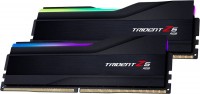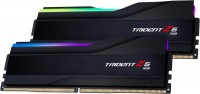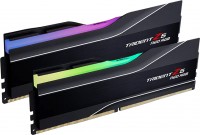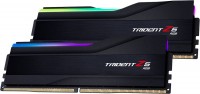
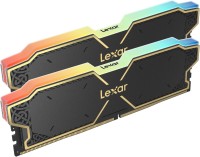
Lexar THOR RGB DDR5 2x16GB LD5U16G60C38BG-RGD
 |


Lexar LD5U16G60C38BG-RGD | |||||||||||||||||||||||||||||||
| |||||||||||||||||||||||||||||||
Always clarify the specifications and configuration of the product with the online store manager before purchasing.
Catalog Lexar 2026 - new arrivals, bestsellers, and the most relevant models Lexar.

Freedom of choice
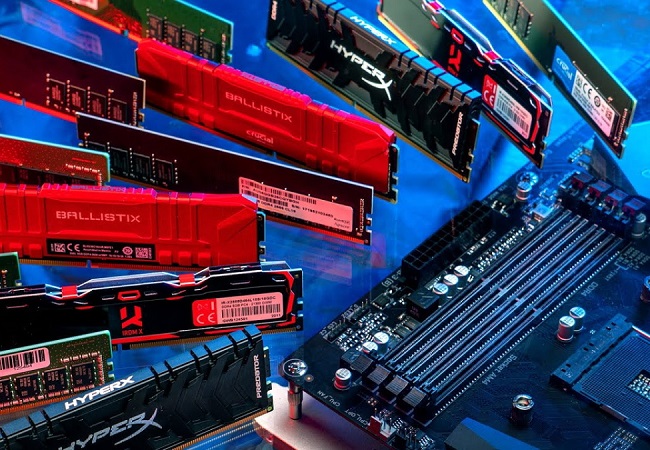
Lexar Thor DDR5 RGB is a RAM with an optimal frequency of 6000 MHz, supporting both Intel XMP and AMD EXPO auto-overclocking technologies. Memory with even higher frequencies currently only works with XMP. However, EXPO support significantly improves the cold start time of a computer with Ryzen processors, speeding up the memory initialization process in the BIOS.
Real metal
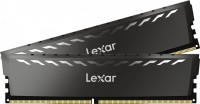
The Lexar Thor aluminum radiators are 1.6 mm thick, which provides much more efficient heat dissipation compared to the thin radiators of many other models. The radiators are only 4 cm high, which only slightly protrudes above the PCB, without creating problems when installing processor coolers. Additionally, the radiators are decorated with iridescent RGB lighting.
Important elements
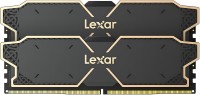
Under the radiators are hidden not only DDR5 chips, but also two important controllers. The first one — On-Die ECC — detects and corrects software errors in real time. The second one — PMIC — ensures even distribution of power between two channels of one memory module. The absence of the third CDK clock generator is not a disadvantage, since it is only needed for frequencies from 6400 MHz and higher.