
Comparison Tefal BC2530 vs Beurer DS 61
Add to comparison | 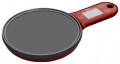 | 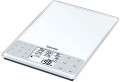 |
|---|---|---|
| Tefal BC2530 | Beurer DS 61 | |
| Expecting restock | Compare prices 2 | |
| User reviews | ||
| TOP sellers | ||
50 memory cells. glass platform. Large display with simultaneous data output. Calorie calculator. sequential weighing. Automatic shutdown. | ||
| Type of scales | tabletop | tabletop |
| Mechanism | electronic | electronic |
| Maximum weight measurement | 3 kg | 5 kg |
| Division price | 1 g | 1 g |
| Units of measurement | g / lbs / oz | |
Features | ||
| Functions | tarocompensation volume measurement automatic activation automatic shutdown | tarocompensation automatic shutdown calorie calculator |
General | ||
| Platform material | plastic | glass |
| Possibility of hanging |  |  |
| Power source | 3xAAA | |
| Dimensions | 165x230x240 mm | |
| Color | ||
| Added to E-Catalog | april 2016 | january 2013 |




Compare Tefal BC2530 and Beurer DS 61
Price comparison
You may be interested in
My comparisons
Beurer DS 61 often compared


Glossary
Maximum weight measurement
The maximum load that kitchen scales can accurately weigh without overloading. This parameter indicates how much food, together with the container, can be placed on the platform: for example, 5 kg, 10 kg, or more.
For everyday cooking, 5 kg is usually sufficient, while models with a higher load capacity are more convenient for preserving, large pots, dough, or weighing fruit. If the permissible weight is exceeded, the scales may display an error or gradually lose accuracy.
For everyday cooking, 5 kg is usually sufficient, while models with a higher load capacity are more convenient for preserving, large pots, dough, or weighing fruit. If the permissible weight is exceeded, the scales may display an error or gradually lose accuracy.
Units of measurement
Units of measurement in kitchen scales indicate the format in which the device displays the weight or calculated volume of a product. Grams and kilograms are most commonly used, while some models also support pounds, ounces, milliliters, or fluid ounces.
This function is convenient for recipes from different countries and for accurately measuring ingredients without manual conversion. For example, you can weigh flour in grams, coffee in ounces, or measure water in milliliters if the scales support this mode.
This function is convenient for recipes from different countries and for accurately measuring ingredients without manual conversion. For example, you can weigh flour in grams, coffee in ounces, or measure water in milliliters if the scales support this mode.
Functions
— Tare compensation. A kitchen scale function that zeros the weight of a dish, bowl, or container before weighing ingredients. After resetting to zero, the device shows only the mass of the added ingredient, excluding the tare. This is one of the most useful functions for following recipes, especially when ingredients are added to the same container one after another. For example, you can place a bowl on the platform, zero its weight, and then measure flour, sugar, butter, or grains separately.
— Volume measurement. A mode in which the device converts the mass of a liquid into milliliters or other volume units. This function is usually designed for water, milk, and liquids with a similar density, so the result is calculated. It is convenient when there is no measuring cup available or when you need to quickly measure a liquid ingredient according to a recipe. Accordingly, the scale may show not 200 g of water, but approximately 200 ml, which is more familiar in many cooking instructions.
— Automatic power-on. A function that activates the device automatically when a load appears on the platform or after a light touch. It makes operation easier because you do not always need to press the power button separately before weighing. For example, you can place a bowl on the platform, after which the scale will switch on automatically and begin measuring its weight.
— Automatic powe...r-off. The device switches off automatically after a short period of inactivity. This function helps save battery or rechargeable battery power. It is found in almost all modern electronic models, so it is best regarded as a basic convenience feature.
— Calorie calculator. Calculation of the energy value of the weighed product. Usually, you need to select a product from the built-in database or mobile app, after which the scale takes its weight into account and displays the approximate number of calories. This function is useful for dieting, sports nutrition, and monitoring one’s diet, but its accuracy depends on selecting the correct product. For example, 100 g of rice, cheese, or chicken fillet have different calorie values, so the scale requires an extensive database.
— Smartphone synchronization. The availability of a mobile app for the scale. It can be used to save measurement history, keep a food diary, count calories, and monitor dietary composition. Unlike ordinary scales, these models function not only as measuring devices but also as part of a dietary tracking system.
— Timer. An additional function for timing during cooking. It can be useful when it is important to monitor weight and time simultaneously, such as when brewing coffee, baking, fermenting, or following a precise recipe. For example, you can weigh a portion of ground coffee and immediately track the brewing time.
— Thermometer. A built-in function for displaying the temperature, most often of the surroundings or the product, if the design includes a sensor. It can be useful when preparing dishes where temperature affects the result, but it does not always replace a full-fledged kitchen thermometer. Thus, the scale can help when working with dough, beverages, chocolate, or baby food.
— Voice alerts. A function that allows the device to announce the weighing result or system messages. It is useful for people with impaired vision, elderly users, or in situations where looking at the display is inconvenient.
— Volume measurement. A mode in which the device converts the mass of a liquid into milliliters or other volume units. This function is usually designed for water, milk, and liquids with a similar density, so the result is calculated. It is convenient when there is no measuring cup available or when you need to quickly measure a liquid ingredient according to a recipe. Accordingly, the scale may show not 200 g of water, but approximately 200 ml, which is more familiar in many cooking instructions.
— Automatic power-on. A function that activates the device automatically when a load appears on the platform or after a light touch. It makes operation easier because you do not always need to press the power button separately before weighing. For example, you can place a bowl on the platform, after which the scale will switch on automatically and begin measuring its weight.
— Automatic powe...r-off. The device switches off automatically after a short period of inactivity. This function helps save battery or rechargeable battery power. It is found in almost all modern electronic models, so it is best regarded as a basic convenience feature.
— Calorie calculator. Calculation of the energy value of the weighed product. Usually, you need to select a product from the built-in database or mobile app, after which the scale takes its weight into account and displays the approximate number of calories. This function is useful for dieting, sports nutrition, and monitoring one’s diet, but its accuracy depends on selecting the correct product. For example, 100 g of rice, cheese, or chicken fillet have different calorie values, so the scale requires an extensive database.
— Smartphone synchronization. The availability of a mobile app for the scale. It can be used to save measurement history, keep a food diary, count calories, and monitor dietary composition. Unlike ordinary scales, these models function not only as measuring devices but also as part of a dietary tracking system.
— Timer. An additional function for timing during cooking. It can be useful when it is important to monitor weight and time simultaneously, such as when brewing coffee, baking, fermenting, or following a precise recipe. For example, you can weigh a portion of ground coffee and immediately track the brewing time.
— Thermometer. A built-in function for displaying the temperature, most often of the surroundings or the product, if the design includes a sensor. It can be useful when preparing dishes where temperature affects the result, but it does not always replace a full-fledged kitchen thermometer. Thus, the scale can help when working with dough, beverages, chocolate, or baby food.
— Voice alerts. A function that allows the device to announce the weighing result or system messages. It is useful for people with impaired vision, elderly users, or in situations where looking at the display is inconvenient.
Platform material
Platform material indicates what the working surface of the kitchen scales is made of—the surface on which products, dishes, or the included bowl are placed. It affects the appearance, durability, moisture resistance, ease of cleaning, and how well the scales retain their appearance with frequent use.
— Plastic. A plastic platform makes kitchen scales lightweight, affordable, and practical for everyday use. This material handles ordinary kitchen tasks well, but over time it may become scratched, dull, or absorb traces of colorants and grease.
— Glass. Tempered glass gives the scales a neat appearance and is easy to clean after flour, sugar, water, or juice. Compared with plastic, this surface looks more modern and hygienic, but requires caution in case of impacts or falls.
— Metal. A stainless steel surface is more commonly found in practical kitchen scales designed for frequent use. It is resistant to odors, stains, and moisture, making it well suited for working with meat, fish, dough, or liquid ingredients.
— Wood. A wooden working surface is less common and is more focused on design than maximum practicality. It looks good in kitchens with natural materials, but requires more careful maintenance and does not tolerate prolonged contact with water.
— Plastic. A plastic platform makes kitchen scales lightweight, affordable, and practical for everyday use. This material handles ordinary kitchen tasks well, but over time it may become scratched, dull, or absorb traces of colorants and grease.
— Glass. Tempered glass gives the scales a neat appearance and is easy to clean after flour, sugar, water, or juice. Compared with plastic, this surface looks more modern and hygienic, but requires caution in case of impacts or falls.
— Metal. A stainless steel surface is more commonly found in practical kitchen scales designed for frequent use. It is resistant to odors, stains, and moisture, making it well suited for working with meat, fish, dough, or liquid ingredients.
— Wood. A wooden working surface is less common and is more focused on design than maximum practicality. It looks good in kitchens with natural materials, but requires more careful maintenance and does not tolerate prolonged contact with water.
Possibility of hanging
The ability to store kitchen scales not only in a drawer or on a countertop, but also on a hook, rail, or wall mount. For this purpose, the housing usually features a hole, loop, or special protrusion.
Hanging is useful in a small kitchen where saving space and keeping frequently used accessories close at hand are important. For example, the scales can be hung next to measuring spoons or kitchen spatulas and quickly taken down before cooking.
Hanging is useful in a small kitchen where saving space and keeping frequently used accessories close at hand are important. For example, the scales can be hung next to measuring spoons or kitchen spatulas and quickly taken down before cooking.
Power source
The vast majority of electronic scales are powered by batteries. However, some models may feature a built-in rechargeable battery, eliminating the need for frequent replacement. Just remember to recharge the scales.
Battery-powered scales may use different types of batteries:
— AA – classic “finger-type” batteries;
— AAA – “micro-finger” batteries;
— CR2032 – so-called “button cells”.
In addition to the battery type, you should also pay attention to their quantity in the battery compartment.
Battery-powered scales may use different types of batteries:
— AA – classic “finger-type” batteries;
— AAA – “micro-finger” batteries;
— CR2032 – so-called “button cells”.
In addition to the battery type, you should also pay attention to their quantity in the battery compartment.