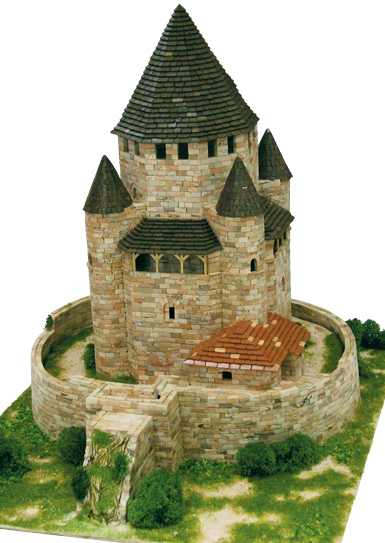
Aedes Ars Caesar Tower Architectural Model Kit
 | Compare prices 2 → When you make a purchase through links on our site, we may receive a affiliate commission.
|
Buy Aedes Ars Caesar Tower Architectural Model Kit
When you make a purchase through links on our site, we may receive a affiliate commission.
Aedes Ars Caesar Tower Architectural Model Kit | £79.95 |  | |||
Aedes Ars Caesar Tower Architectural Model Kit AED1009 | £79.95 |  | |||
Aedes Ars Caesar Tower SPECIFICATIONS: Approximate number of pieces: 8,250 Difficulty degree: 8/10 Sizes: 400 x 500 x 415mm Scale: 1/170 FEATURES: These kits contain high-quality ceramic pieces (which simulate the stones and original materials), a cardboard structure, glue, scenic materials, and instructions. Aedes Ars produces a wide range of building sets used for the scale reproduction of historical monuments such as castles, churches, bridges, and lighthouses (some are recognised World Heritage Sites), as well as diverse miniature buildings of typical country architecture. HISTORY: The Tour César (Caesar's Tower) is situated in Provins (Seine-et-Marne, France) at the top of the very hill over which the town is placed. It possesses some splendid views of the Brie Plateau. A legend dates the origins of Provins to the Roman era. Therefore, going by this legend, the large tower of Provins would have been built by Julius Caesar. In reality, the tower was built in the 12th century under the reign of Henry the Liberal (1152-1183). It can be confirmed that Caesar's Tower existed from 1137 because it is mentioned in a letter from Thibaud II where he designated the tower as the border for the markets of Champagne. It has had a great many uses: it has been a prison, a shelter from possible attacks; its essential role has been military and has had several names such as "the King's Tower", "the Grand Tower" and "the Prisoners' Tower".Later, in the 15th century, the English tried, and succeeded, in taking control of the Tower of Provins, and it was left in a bad state. It was in the early 17th century that the mayor, François de Beaufort, decided to repair it and put a new roof on it. The base of the building is surrounded by a heavy brickwork defensive wall, added by the English after 1432, known by the disdainful name of "Pâté aux Anglais". It has a square ground plan at the base which becomes octagonal at half height (it is the only "donjon" with this characteristic), flanked by four turrets. Inside, below, a large vaulted hall was used as a deposit for military administration. On the upper floor, another hall of the same dimensions but higher, called the "guards' hall", was the communication centre of the Tower. From here, the steps lead to the lower hall, the governor's room and the parapet walk. The dungeons where the prisoners were kept are reached by narrow corridors that are inside the walls.
The product description is generated based on data from online stores. Before purchasing be sure to verify all information directly with the seller.

How Gadgets React to Heat and How to Protect Them from OverheatingWe explain how different devices react to heat, how to prevent overheating, and what to do if it has already happened.
Best MacBook StandsNot only beautiful, but also convenient: choosing the right stand for your MacBook.
How to place an order?How to add store?
Remember that the online store is responsible for the accuracy of information regarding price, warranty, and delivery!
We recommendCompare using chart →
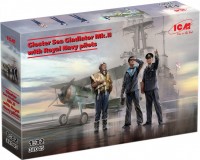
military trucks and tractors, the Second World War, age: 14+, details: 58 pcs, length: 90 mm

military aircraft, 50-90s of the XX century, age: 10+, level сложности lightweight, length: 290 mm
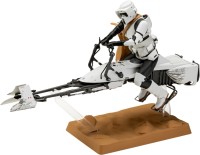
fantasy, age: 10+, level сложности average, details: 102 pcs, 2 figurines, length: 262 mm
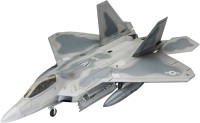
military aircraft, modern, age: 12+, level сложности average, details: 116 pcs, length: 264 mm
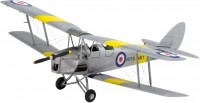
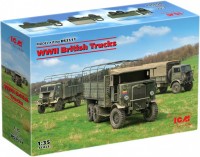
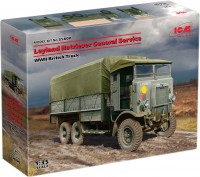
military trucks and tractors, the Second World War, age: 14+, details: 253 pcs, length: 196 mm
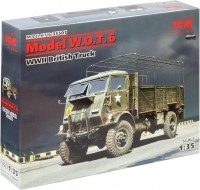
military trucks and tractors, the Second World War, age: 14+, details: 260 pcs, length: 180 mm
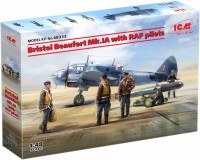
military aircraft, the Second World War, age: 14+, details: 275 pcs, 5 figurines, length: 389 mm
naval equipment, the Second World War, age: 10+, level сложности average, details: 31 pcs, length: 200 mm