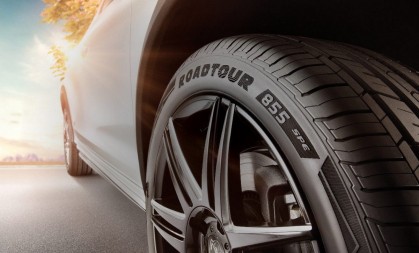
Pros and cons of all season tyres

We independently test the products and technologies that we recommend.
 |
First of all, it should be noted that all—season tyres are tyres that have properties satisfactory for their use both in winter and in summer. It is satisfactory, not well-suited. Miracles do not happen, one should not think that it is possible to create a universal tyre that will be equally well suited for any weather, various driving methods and all kinds of operating conditions. Otherwise, all car owners would have switched to such tyres long ago.
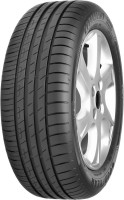
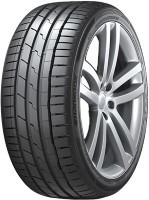
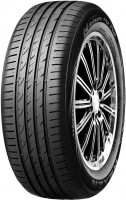
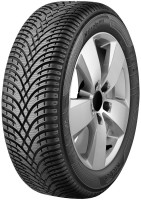
The fact is that winter and summer tyres differ greatly in the tread pattern and the composition of the rubber compound. So, winter usually have a directional pattern of deeper grooves, numerous lamellae and are more elastic, so as not to "oak" in severe frost. Summer, on the contrary, are distinguished by a lower tread and hard rubber, which tolerates high temperatures better. That is, their characteristics are directly opposite. And all—season tyres are just an attempt to find something in between. That is a compromise.A typical all-season tyre has a lower tread than winter tyres. At the same time, they have wide grooves and numerous lamellae. As for the rubber compound, it is less elastic compared to the one used in winter models. However, its hardness is still not high enough and all-season tyres wear out faster in summer than in winter or autumn.
There is an opinion that all-season rubber simply does not exist, this is nothing more than a marketing ploy. However, this is not quite so, it's just that before making a purchase, you need to weigh the pros and cons.
Advantages of the "all-season":
- There is no need to change tyres when the season changes, time is saved;
- There is no need to keep two sets of tyres at once, each of which needs to be properly stored, and besides, it also saves money on buying a second set;
Cons:
- All-season tyres are subject to wear throughout the year, they will have to be changed more often. This should be taken into account by those who choose them solely for the purpose of saving money — in fact, it is not so great, most often only on installation;
- They are not suitable for use in conditions of too high or too low temperatures;
- The vast majority of such tyres will not suit drivers who prefer an aggressive driving style. These are solutions for a quiet ride in urban conditions.
 |
Of course, "all-seasons" are inferior to both winter and summer solutions, and are not able to replace them. However, they are quite suitable for undemanding drivers who prefer a quiet ride and live in a temperate climate zone. It is important not to save money and buy a decent solution from a well-known manufacturer. It is also not recommended to purchase used tyres.
By the way, inexperienced drivers sometimes confuse all-season tyres with winter non-studded (so-called "Hook-and-loop"). And all because of the presence of both those and others marking "M + S" ("mud + snow", which translates as "snow + mud"). However, on winter tyres, there is usually also an image of a snowflake. While on the all—season — you can see the designations "All Seasons" or "All Weather" ("All seasons", "Any weather").And even better — get two good sets of summer and winter tyres. Especially if you don't have enough driving experience. It is not necessary to put yourself and other road users at risk once again.
Articles, reviews, useful tips
All materials