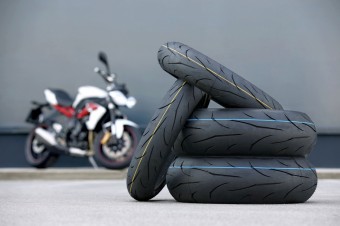
What are homologated tyres?

We independently test the products and technologies that we recommend.

In 1980, Porsche conducted testing of a new sports car model on the Nürburgring race track. They encountered an unexpected problem—no matter what tires were installed on the wheels, the rubber couldn’t fully unleash the car's power and dynamics. To solve the situation, they turned to the Italian tire specialists at Pirelli with a request to develop specialized tires for the specific car. This marked the starting point for the development of homologated tires.
What is "homologation"?
Homologation in the tire industry is the process of selecting and recommending ideal tires tailored for a specific car model by the car manufacturer. When developing homologated tires, the technical and design features of the vehicle are taken into consideration, ensuring the car is optimally adapted to the set tasks.
 |
| A multitude of factors are considered in the development of homologated tires, including the vehicle’s suspension settings. |
The process of developing homologated tires is not an immediate task. It can last for years. Specialized tires must take into account:
- speed characteristics;
- braking and acceleration dynamics;
- maneuverability;
- road stability;
- smoothness and comfort;
- fuel consumption;
- noise level;
- safety;
- weight and vehicle construction.
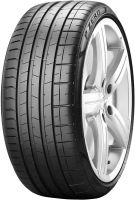
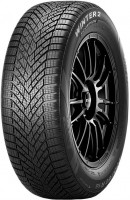
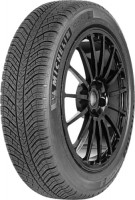
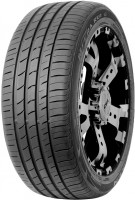
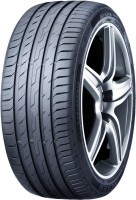
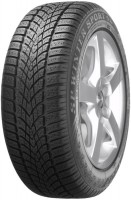
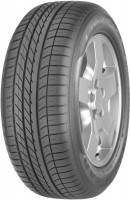
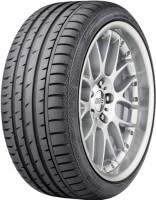
How are homologated tires developed?
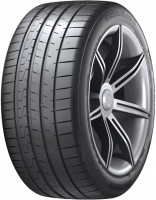
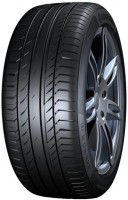
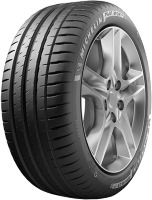
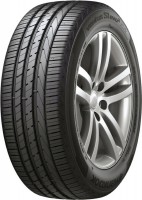
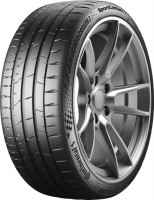
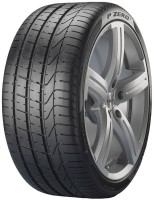
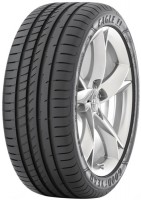
Tire companies receive a request from car manufacturers with a detailed list of characteristics that highlight the vehicle’s strengths. The most suitable model from the existing tire portfolio is chosen specifically for this list. The selected tire is refined to the extent of changing its internal structure, rubber compound recipe, and tread pattern. Adjustments concerning characteristics are made until the tires match the car manufacturer’s requirements perfectly.
 |
| The homologated version of a tire for a specific vehicle can be changed beyond recognition compared to the base model of the same family.In the photo: left — Michelin Pilot Alpin 5; right — Michelin Pilot Alpin 5 (homologated for Porsche). |
In the subsequent stages of approval, the tires undergo testing at proving grounds. Real tests identify indicators requiring further adjustments. After final tweaks, the car manufacturer approves the homologated tire model and gives the "green light" for mass production. Furthermore, during adaptation, the need for a specific wheel size on the front and rear axles is often taken into account—some vehicles have tires with different properties installed on the front and rear axles, or the homologation applies to the entire set of four tires.
 |
| Before being installed on the wheels of a specific car brand, the selected tires for homologation undergo rigorous testing. |
Only a few tire companies can boast collaborations with leading car manufacturers in producing specialized tires for specific car models. Typically, esteemed brands like Bridgestone, Continental, Goodyear, Michelin, Pirelli, Kumho, and others, develop and put homologated tires on the conveyor.
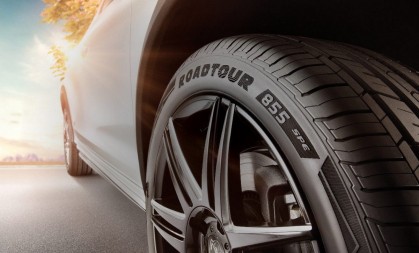
All adapted tires have special homologation markings on the sidewall. This marking is usually placed next to the model name. It informs car owners for which brand of car that particular tire is suitable. Often, homologated tires are installed on new cars coming off the assembly line.

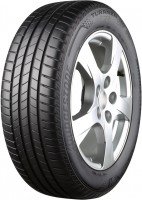
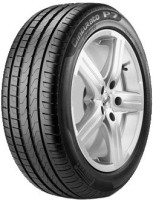
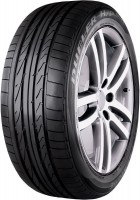
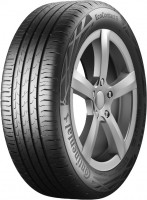
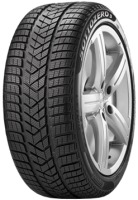
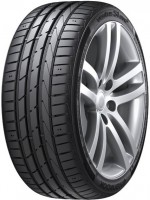
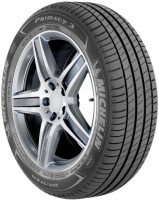
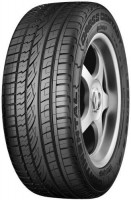
Tire Homologation Markings by Car Manufacturer
You most often see homologated tires on the wheels of premium cars. These tires are marked as follows:
| Car Brand: | Homologation Markings: |
|---|---|
| Alfa Romeo | AR, ARR |
| Aston Martin | AM, AMP, AMR, AMX, AMS, AML, AMA, AMV, A2A, A4A, A5A, A6A, A7A, A8A, AM2, AM4, AM6, AM7, AM8, AM9, AM10, AM11 |
| Audi | AO, AO1, A0, A01, A02, AO2 |
| Audi RS | RO1, RO2, RO3, R01, R02, R03 |
| Bentley | B, B1, BC (Bentley Comfort), BL (Bentley Low Rolling Resistance) |
| BMW, Mini | *, I*, *1 |
| M3 (for BMW M series) | |
| Ferrari | F, F01, F02, F03, F04, K1, K2, K3 |
| Ford | FO, FO1, FO2 |
| Genesis | GOE |
| Honda | H0, H1 (for Acura NSX) |
| Hyundai | H, HN |
| Jaguar / Land Rover | JLR, LR J, J LR |
| Jaguar | JRS, J |
| Jeep | JP, JE |
| Lamborghini | L, LI, L1 |
| Lancia | LA |
| Land Rover | LR, LR1, LR2, LR3, LR4, LR5, LRJ |
| Lotus | LTS, LTS2 |
| Lucid | LM1 |
| Maserati | MA, MGT, MGT1 |
| McLaren | MC, MC1, MC2, MC-C |
| Mercedes-Benz | MO, MO-V, MOV, MO-S, M0, M0-V, M0-S, M0V, MO DC, M0 DC, MOS, M0S |
| Mercedes-AMG | MO1, M01, MO2, M02 |
| Nissan | NI, NR1, NI1 |
| Opel | OP1 |
| Peugeot/Citroen | PE, SI |
| Porsche | N0, N1, N2, N3, N4, NA5, N5, N6, NA6 |
| NA0, NAO, NA1, NA2 (for 911) | |
| NB0, NB1, NB2 (for Cayman and Boxter) | |
| NC0, NCO, NC1, NC2 (for Cayenne) | |
| ND0, NDO, ND1, ND2 (for Panamera) | |
| NE0, NE1, NE2 (for Macan) | |
| NF0, NFO, NF1, NF2 (for Taycan) | |
| Renault | RE |
| Rolls Royce | RR |
| Seat/Skoda | SE, SK |
| Tesla | T0, T1, T2 |
| Toyota | TO |
| Volkswagen | VW, VO, V0 |
| Volvo, Polestar | VOL |
Ignoring homologation can result in car safety system errors, uneven tire wear, discomfort during driving due to vibrations and noise. All vehicle tires must be installed with the same homologation marking (except for fitting different size tires on the front and rear axles).
 |
| Homologated tires for BMW and Mini vehicles are marked with a distinctive "star" on the sidewall. |
It is also not recommended to install homologated tires on a vehicle that doesn’t require them. The tires may create extra noise, reduce driving comfort, may have uneven tread wear, etc. For example, it’s generally not recommended to fit homologated tires for Ferrari on other car brands.
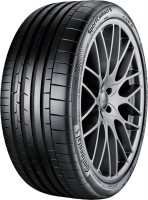
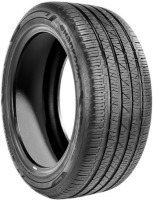
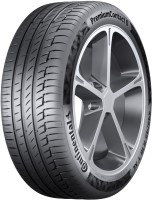
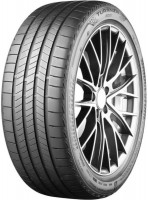
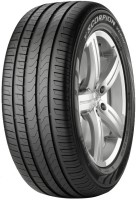
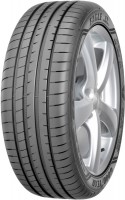
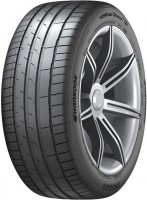
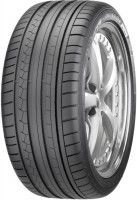
Homologated tires are designed considering all the advantages of a specific vehicle and are fully tailored to the nature of the "iron horse." If they are not provided for your car, it means the manufacturer considered the standard tires a sufficiently good solution.
Articles, reviews, useful tips
All materials