
XFX Radeon RX 9070 XT Mercury Gaming (RX-97TMERCB9)
 | Expecting restock Interface: PCIe v5.0 16x; Model GPU: Radeon RX 9070 XT; Architecture: Navi 48 (RDNA 4); Memory size (GB): 16; Memory type: GDDR6; Memory bus (bits): 256; Maximum frequency (Boost Clock) (MHz): 2970; Memory speed (Mbps): 20000; HDMI: 1; Display Port: 3; Cooling: active (fan); Fans: 3 pcs |


We recommend products in stockGraphics Cards XFX →
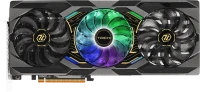
memory GDDR6, 16 GB, 20000 Mbps, Radeon RX 9070 XT, Navi 48 (RDNA 4), 3100 MHz, HDMI, DisplayPort, backlight, 16 pin, 340 W

memory GDDR6, 16 GB, 20000 Mbps, Radeon RX 9070 XT, Navi 48 (RDNA 4), 2970 MHz, HDMI, DisplayPort, 8 + 8 pin, 304 W, White Edition
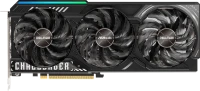
memory GDDR6, 16 GB, 20000 Mbps, Radeon RX 9070 XT, Navi 48 (RDNA 4), 2970 MHz, HDMI, DisplayPort, backlight, 8 + 8 pin, 304 W

memory GDDR6, 16 GB, 20000 Mbps, Radeon RX 9070 XT, Navi 48 (RDNA 4), 2970 MHz, HDMI, DisplayPort, 8 + 8 pin, 304 W
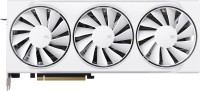
memory GDDR6, 16 GB, 20000 Mbps, Radeon RX 9070 XT, Navi 48 (RDNA 4), 2970 MHz, HDMI, DisplayPort, 8 + 8 pin, 304 W, White Edition

memory GDDR6, 16 GB, 20000 Mbps, Radeon RX 9070 XT, Navi 48 (RDNA 4), 3010 MHz, HDMI, DisplayPort, backlight, 8 + 8 pin, 317 W

memory GDDR6, 16 GB, 20000 Mbps, Radeon RX 9070 XT, Navi 48 (RDNA 4), 3100 MHz, HDMI, DisplayPort, backlight, 16 pin, 340 W, White Edition
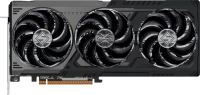
memory GDDR6, 16 GB, 20000 Mbps, Radeon RX 9070 XT, Navi 48 (RDNA 4), 2970 MHz, HDMI, DisplayPort, backlight, 8 + 8 pin, 304 W

memory GDDR6, 16 GB, 20000 Mbps, Radeon RX 9070 XT, Navi 48 (RDNA 4), 2970 MHz, HDMI, DisplayPort, 8 + 8 pin, 304 W, White Edition
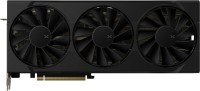
memory GDDR6, 16 GB, 20000 Mbps, Radeon RX 9070 XT, Navi 48 (RDNA 4), 2970 MHz, HDMI, DisplayPort, 8 + 8 pin, 304 W
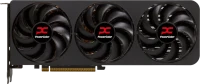
memory GDDR6, 16 GB, 20000 Mbps, Radeon RX 9070 XT, Navi 48 (RDNA 4), 2970 MHz, HDMI, DisplayPort, 8 + 8 pin, 304 W
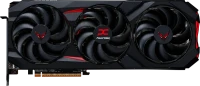
memory GDDR6, 16 GB, 20000 Mbps, Radeon RX 9070 XT, Navi 48 (RDNA 4), 3060 MHz, HDMI, DisplayPort, backlight, 8 + 8 + 8 pin, 330 W
XFX Radeon RX 9070 XT Mercury Gaming | ||||||||||||||||||||||||||||||||||||||||||||||||||||||||||||||||||||||||||||||||||||||||
|
| |||||||||||||||||||||||||||||||||||||||||||||||||||||||||||||||||||||||||||||||||||||||

The information in the model description is for reference purposes.
Always clarify the specifications and configuration of the product with the online store manager before purchasing.
Catalog XFX 2026 - new arrivals, bestsellers, and the most relevant models XFX.
Always clarify the specifications and configuration of the product with the online store manager before purchasing.
Catalog XFX 2026 - new arrivals, bestsellers, and the most relevant models XFX.
Series XFX MERC (gaming)Compare using chart →
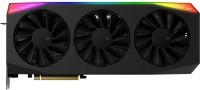
memory GDDR6, 16 GB, 20000 Mbps, Radeon RX 9070 XT, Navi 48 (RDNA 4), 3100 MHz, HDMI, DisplayPort, backlight, 8 + 8 + 8 pin, 304 W

memory GDDR6, 16 GB, 20000 Mbps, Radeon RX 9060 XT, Navi 44 (RDNA 4), 3320 MHz, HDMI, DisplayPort, 8 pin, 150 W

memory GDDR6, 16 GB, 20000 Mbps, Radeon RX 9070 XT, Navi 48 (RDNA 4), 3100 MHz, HDMI, DisplayPort, backlight, 8 + 8 + 8 pin, 304 W, White Edition
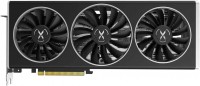
memory GDDR6, 12 GB, 16000 Mbps, Radeon RX 6700 XT, Big Navi (RDNA 2), 2622 MHz, HDMI, DisplayPort, backlight, 8 + 8 pin, 230 W
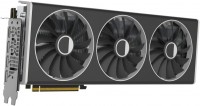
memory GDDR6, 20 GB, 20000 Mbps, Radeon RX 7900 XT, Navi 3X (RDNA 3), 2535 MHz, HDMI, DisplayPort, 8 + 8 pin
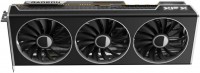
memory GDDR6, 24 GB, 20000 Mbps, Radeon RX 7900 XTX, Navi 3X (RDNA 3), 2615 MHz, HDMI, DisplayPort, 8 + 8 + 8 pin
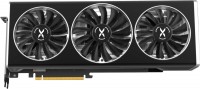
memory GDDR6, 12 GB, 18000 Mbps, Radeon RX 6750 XT, Big Navi (RDNA 2), 2623 MHz, HDMI, DisplayPort, 8 + 8 pin
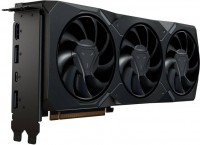
memory GDDR6, 20 GB, 20000 Mbps, Radeon RX 7900 XT, Navi 3X (RDNA 3), 2400 MHz, HDMI, DisplayPort, USB-C, 8 + 8 pin









Model overview based on user reviews
The XFX Radeon RX 9070 XT Mercury Gaming combines 16 GB of GDDR6 memory with a large triple-fan cooler and delivers low temperatures. It can become noticeably quieter after reducing power consumption and undervolting, although stock fan settings are audible. The card is very large, has limited factory tuning compared with the OC version, and one user encountered pronounced coil whine.
Pros
Cons
About temperatures. My card has Samsung memory, not Hynix, but this is random and depends on the batch. Hynix runs about 8-10 degrees hotter in terms of memory: - Stock settings. GPU 60, hotspot 78-80, memory 72 (though it can reach 80), fan speed 1600. The card is admittedly quite noisy. - 15% power reduction through Adrenalin. GPU 58, hotspot 75, memory 70 (still peaks to 80), fan speed 1200. The card becomes less noisy, losing about 2-3% performance. - 30% power reduction. GPU 55, hotspot 65, memory around 70, fan speed 850. It enters the 'background noise' category, but loses another 5-6% performance. Additionally, everyone generally says XFX card fans are too aggressively tuned and it makes sense to lower it a bit, but I haven't checked. So overall, the card is quite cool. Reduce power consumption by 10-15% and slightly lower voltage (mine is stable at -50 millivolts), and you'll get a cool, relatively quiet card, even slightly more performant than out of the box. Get it if the price is just slightly more than the entry-level versions. If the price is similar to OC, it's probably more logical to choose OC. On the downside, personally, it's not important for me with my closed case, but I would note its not particularly attractive angular appearance + the lighting is only white and shines downwards at an angle. If this is important to you, keep in mind (other Mercury versions have RGB lighting, this one only has white). It's a bit noisy in stock, and the sound is clearly lower than the case fans, slightly humming, so you will hear it in any case. Also, my particular unit had quite significant coil whine, turning into squeals already at 100+ fps, so it was returned to the store. But this isn't a defect and is a complete lottery, it can happen with any model from any manufacturer.  Dmytro Prokopenko: use XFX Radeon RX 9070 XT Mercury Gaming less than month Dmytro Prokopenko: use XFX Radeon RX 9070 XT Mercury Gaming less than month |
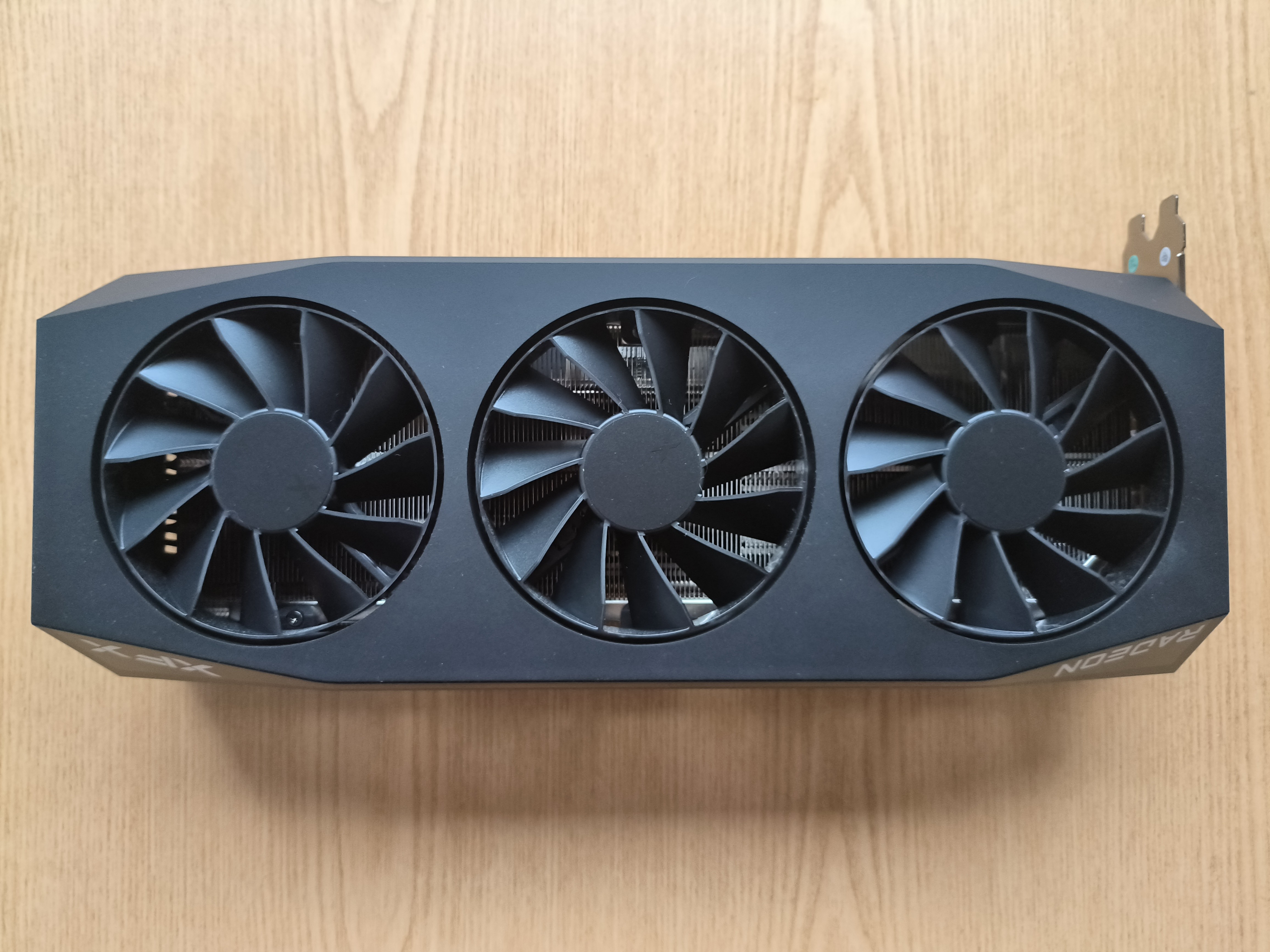
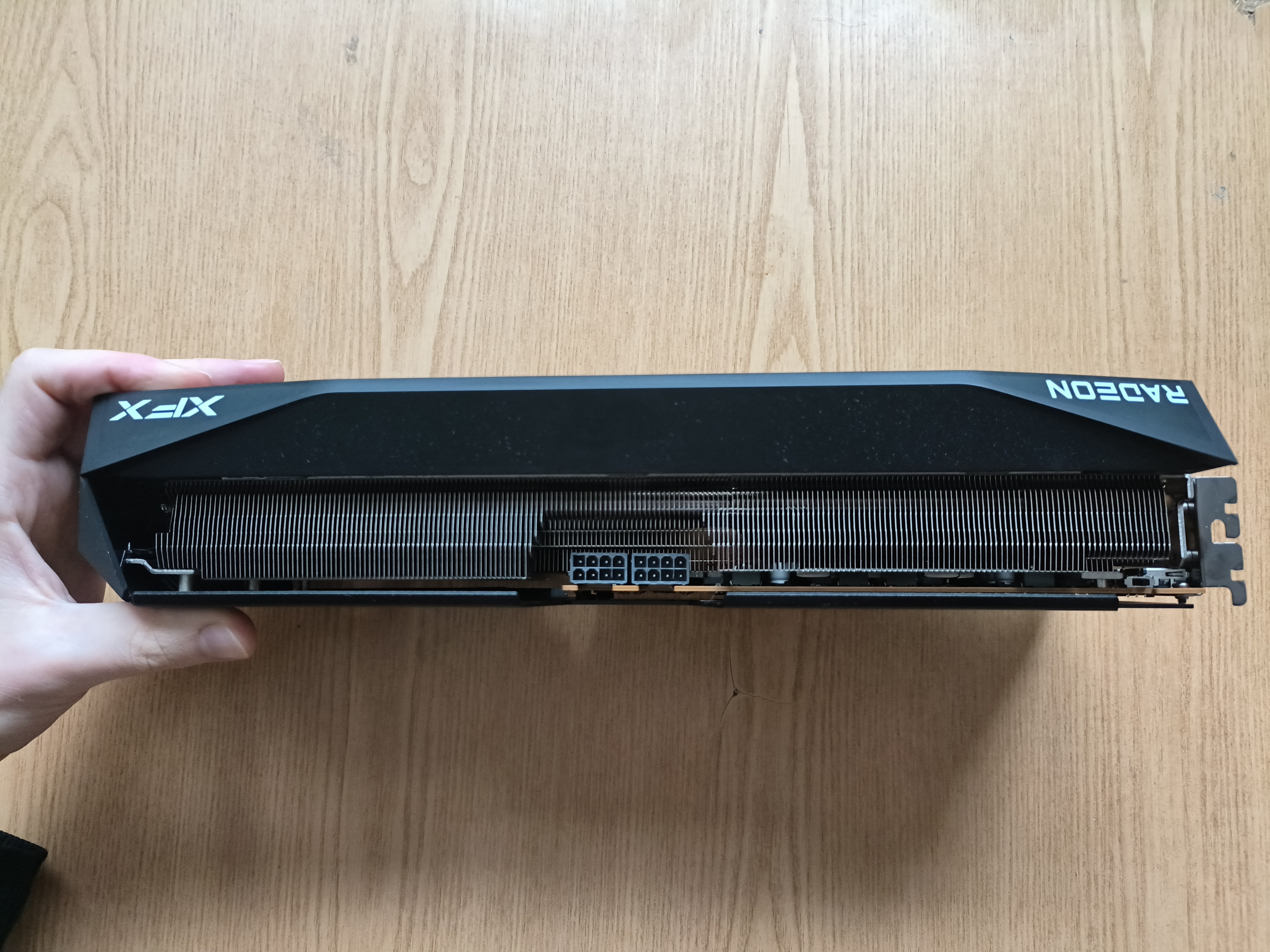
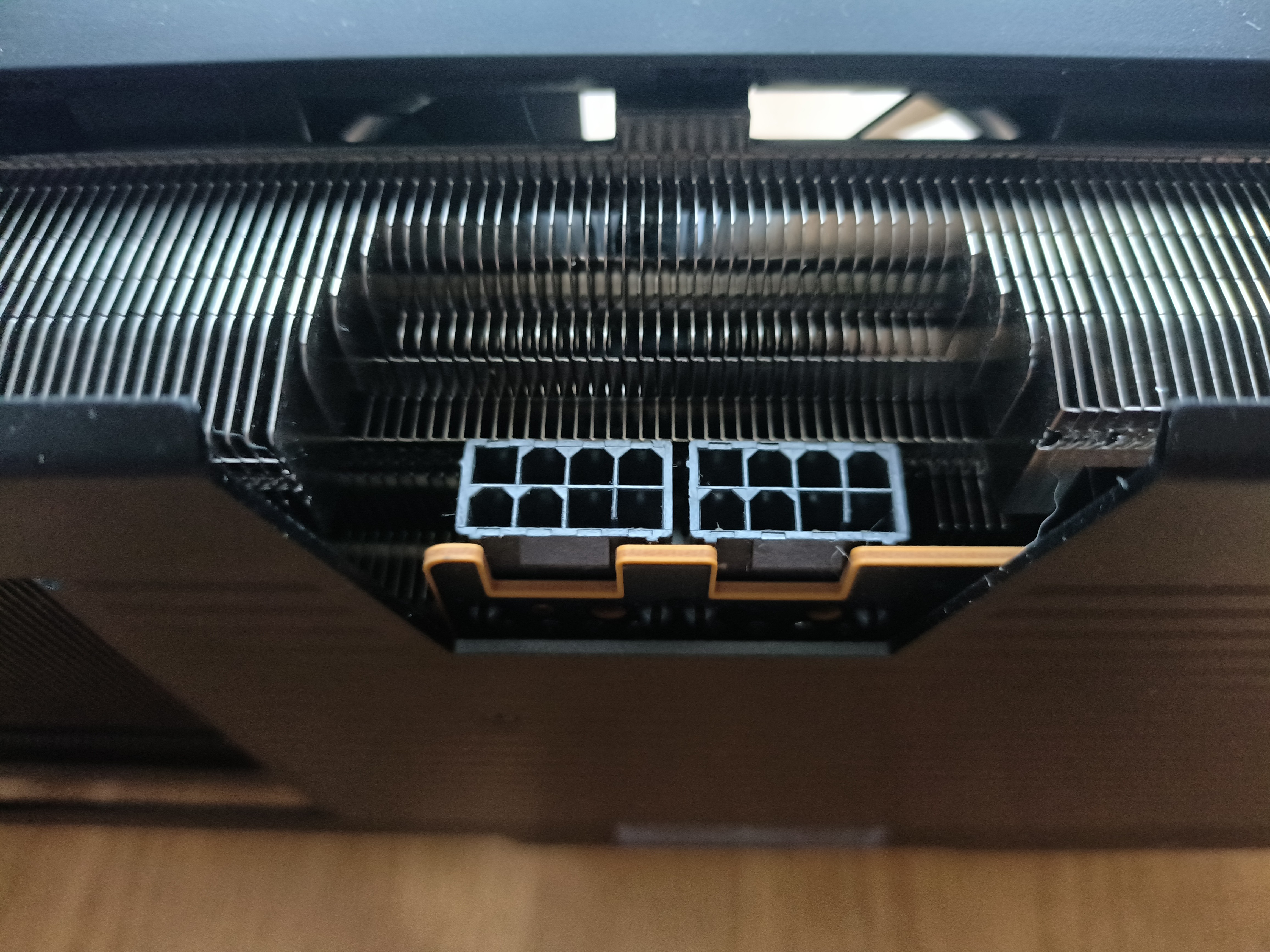
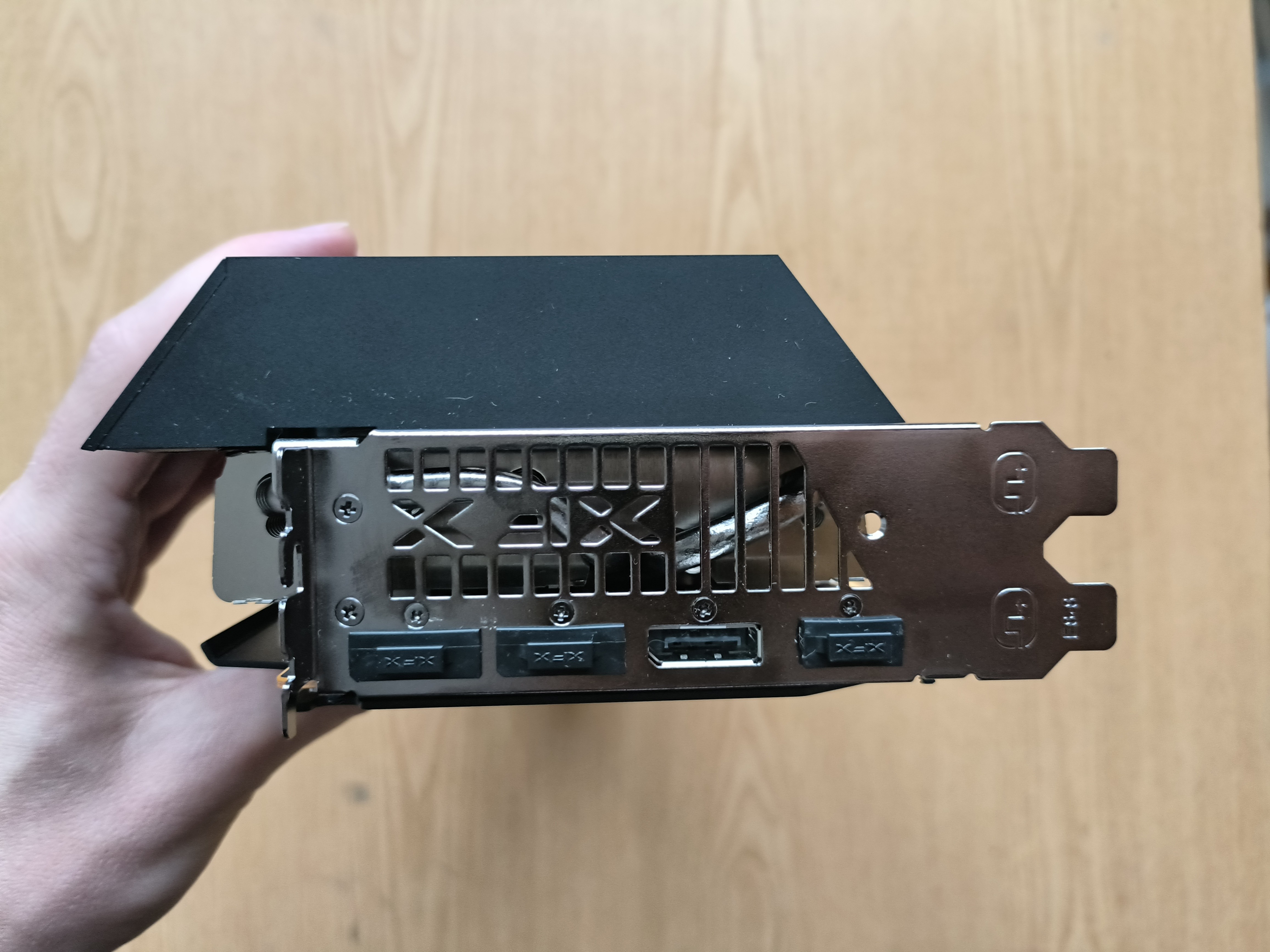
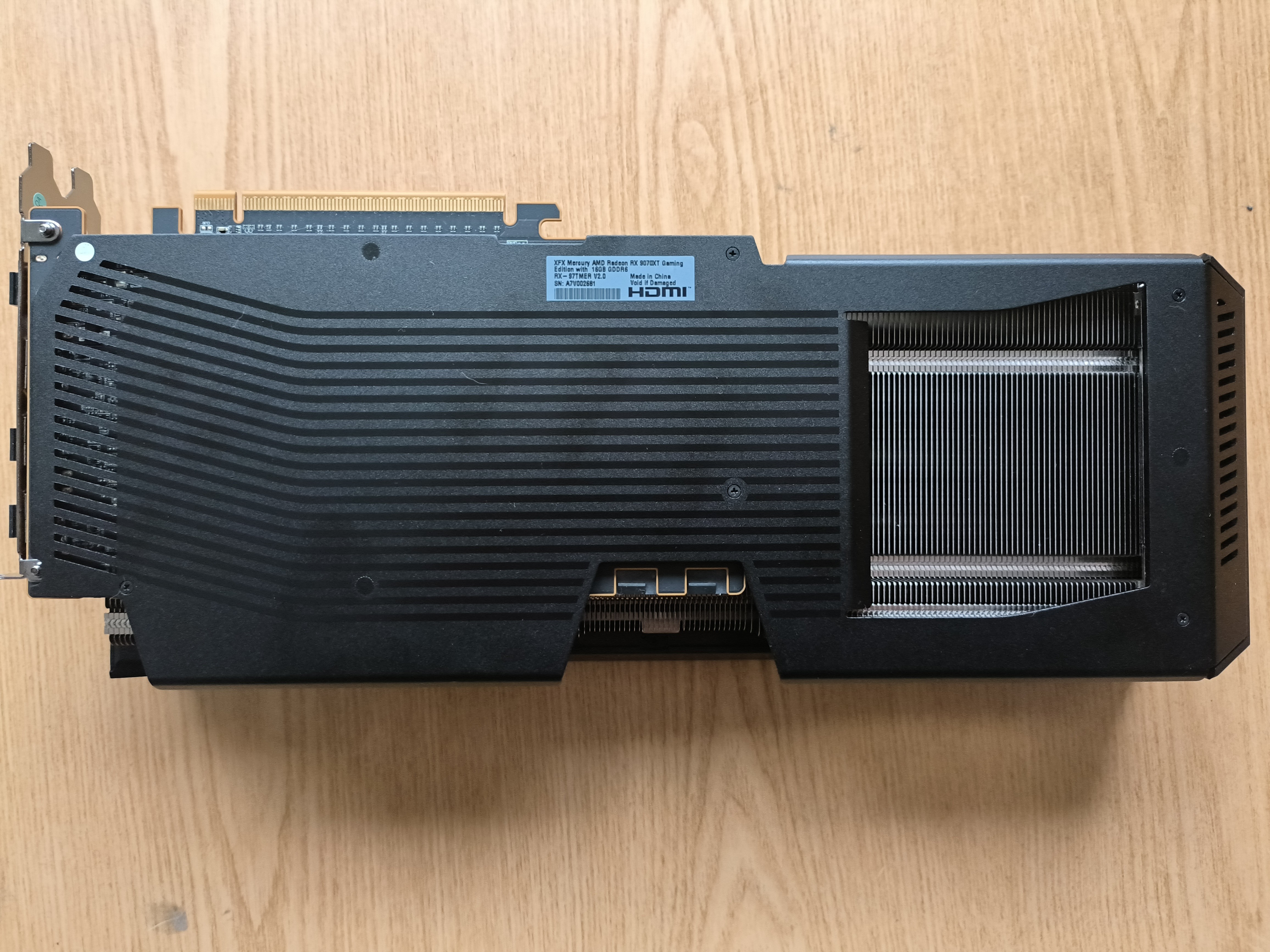
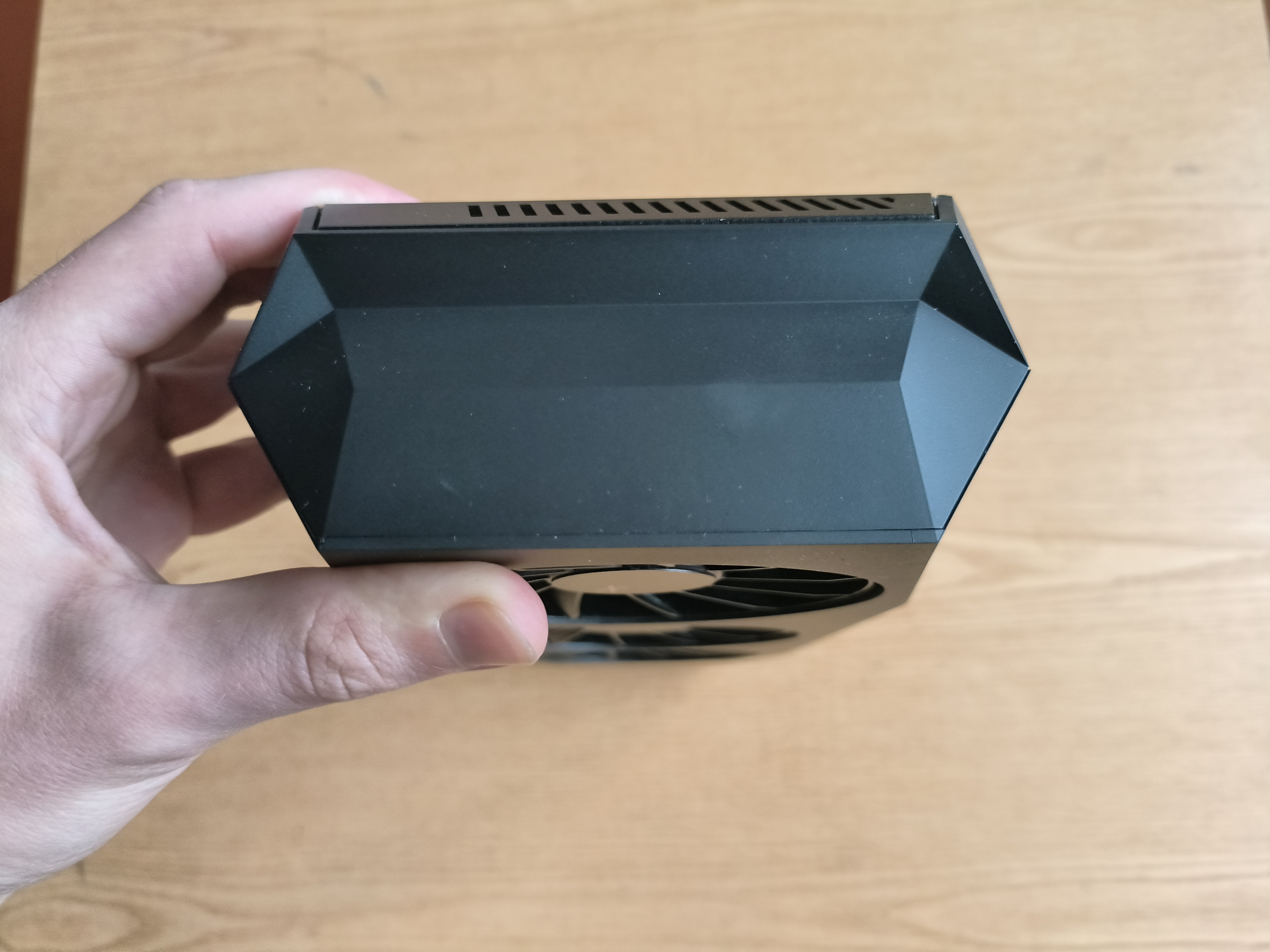
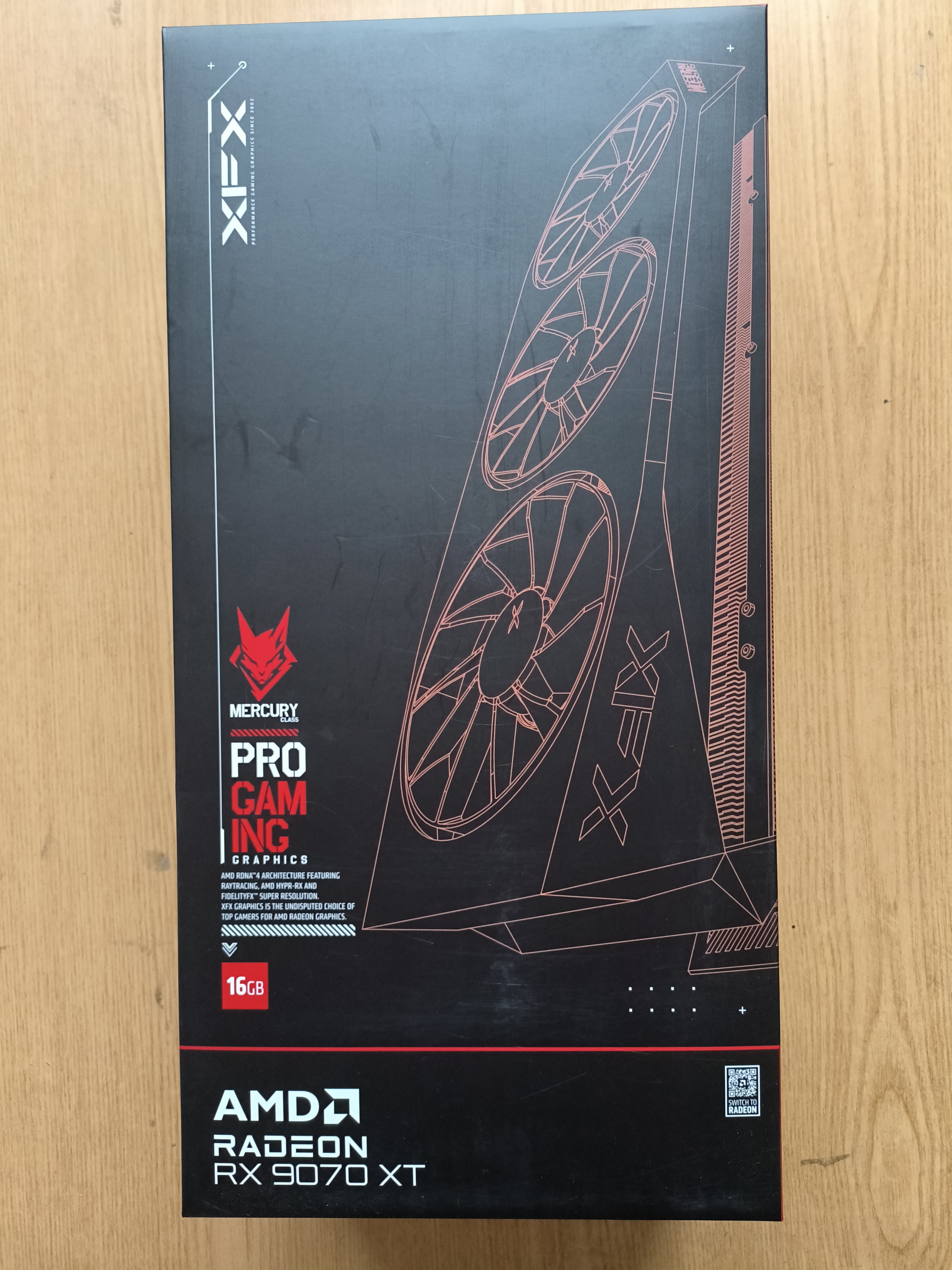
clearly quiet, cool, good wine very large, and a bit limited compared to the OS version  ValeronUA: use XFX Radeon RX 9070 XT Mercury Gaming less than month ValeronUA: use XFX Radeon RX 9070 XT Mercury Gaming less than month |
Add Review
Ask Question
However, this specific card is quite different. So, differences from the OC version:
1) There's no vapor chamber here
2) It has 2 power connectors instead of 3, with a base power consumption of 304 W
3) This card operates at factory base frequencies, meaning at the Swift/Quicksilver level. I even suspect that it simply uses the board from the lower versions (the main difference being 11 power phases instead of 13 and the already mentioned power connectors, but it’s not overclocked).
Thus, essentially, this specific execution is not a flagship, but a basic model with better cooling than the other two versions. It's important to understand that although it's "cut down," the cooling here is still better than in the Swift/Quicksilver versions. And even they are quite cool. The loss of factory overclocking compared to OC versions is a maximum of about 5% in performance.