Tips for choosing winter tyres

We independently test the products and technologies that we recommend.

Winter or all season?
This question is of concern to many, since the purchase of a complete set of winter studded or non- studded tyres is a significant cost item for a car, and an all-weather season seems like a reasonable compromise. But the savings in this case are imaginary, and the cons of the solution significantly outweigh the pros. First, about the price. Let all-season tyres cost less than sets of summer and winter tyres, their resource is much lower. As a result, the math is as follows: for 2 sets of seasonal tyres you will have at least 2 sets of "all-season" tyres. And remember, winter tyres should be worn on all wheels. Only suicides experiment by installing winter tyres exclusively on the drive wheels.
Leaving finances aside, we are confronted with the disadvantages arising from universality. Such tyres show the worst results in comparison with both summer and winter tyres. The difference is especially noticeable in winter, when it is necessary to cope with very different weather conditions, ensuring the car's handling at the proper level, and with it safety. So we recommend that you opt for winter tyres.
spikes
 |
| Winter tyres provide a higher level of vehicle handling in difficult weather conditions than all-season tyres. |
And here there is no definite answer. Studded tyres have incomparably better grip on icy road surfaces, but studded tyres reduce the contact area of the tread with clean asphalt. In addition, it is often very noisy and often has a speed limit of 130 km/h. Again, a compromise, a decision that needs to be made based on the specific situation.
If winters are harsh in your region, and public utilities do not consider it a matter of honor to please citizens everywhere with clean asphalt, spikes will not be superfluous. You will quickly adapt to the peculiarities of the car's behavior on a clean road, and in the event of ice, you will get patency and control at a very high level.
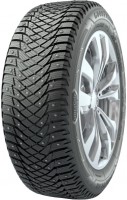
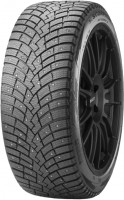
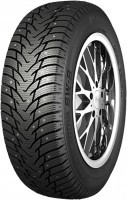
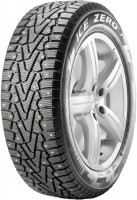
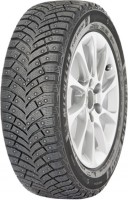
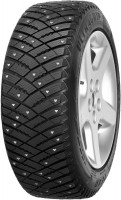
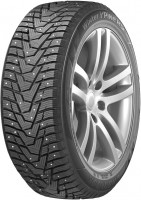
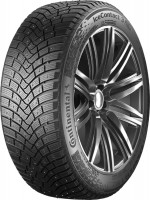
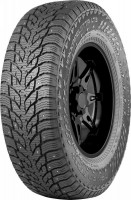
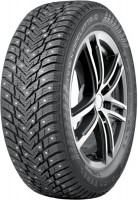
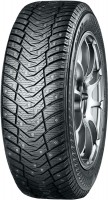
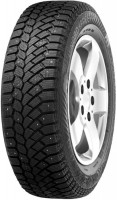
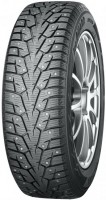
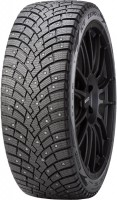
It is important to note that not every tyre can (and should) be studded. Your best bet is to buy studded tyres from the manufacturer. Only then can you be sure that the correct spikes are selected and that they are correctly installed. Only then will the rubber have the optimal balance of road grip and durability.
Often, the manufacturer allows an independent upgrade of rubber, but it should be taken on by professionals who clearly understand how to achieve the desired effect. Handicraft alterations will not only not be useful, but can also make tyres unusable.
Have you decided to get spikes yet? Do not forget about running in rubber - the spikes should find their “place” in the tyre. To do this, it is recommended to drive a couple of hundred kilometers smoothly, without sudden braking and acceleration, adhering to the speed limit of 60-70 km / h.
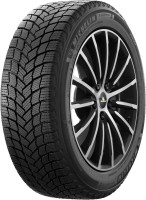
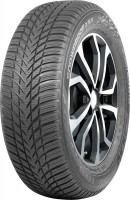
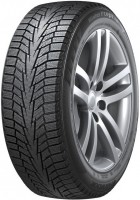
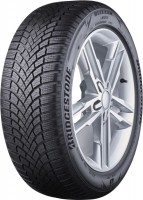
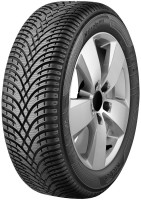
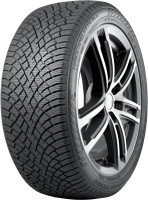
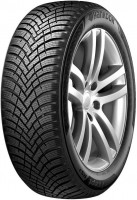
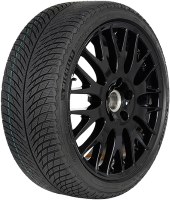
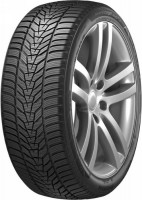
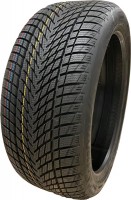
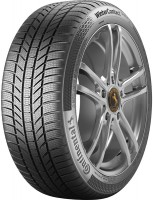
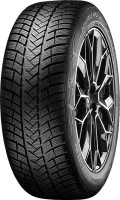
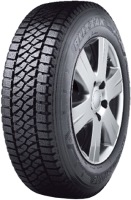
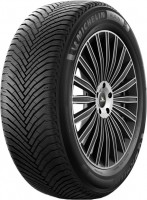
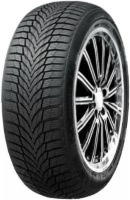
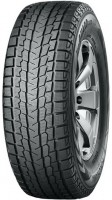
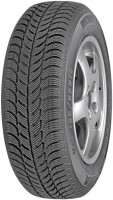
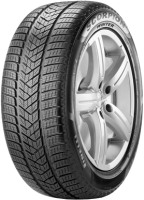
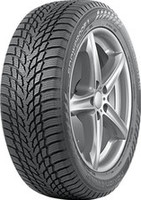
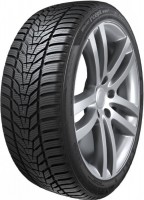
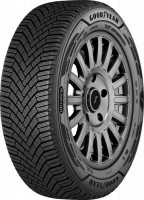
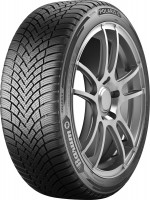
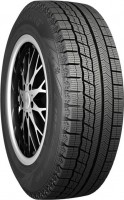
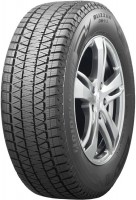
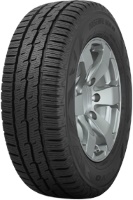
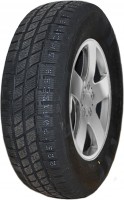
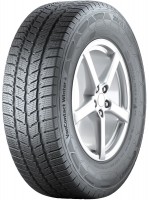
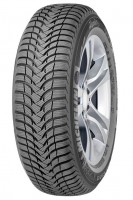
If you purchase non-studded tyres, pay attention to the tread pattern. The directional pattern shows itself especially well in wet snow - slush is removed from under the wheel. Large tread blocks help out in deep snow, but perform worse on clean roads (where a less aggressive tread is preferable). According to the quality of the pattern, the so-called “Hook-and-loop”, the coating with thin slots - lamellas, are considered the most successful. Their characteristics are close to studded tyres.

What size tyres to take?
Before choosing a tyre size, you need to familiarize yourself with the recommendations of the manufacturer of your car. They are not in vain called “recommendations”, but you should not deviate much from them. Carried away by the plus size, you run the risk of catching structural elements, and in the minus - making the landing too low, which is critical in winter. As a general rule, the wheel assembly (tyre plus disc) should be approximately the same diameter as originally installed, its increase is insignificant, two centimeters, usually acceptable.
During the selection process, you will come across several parameters: tyre diameter, profile and tyre width.
The smaller the bore, the cheaper the tyre. It is unlikely that such a dependence is due to the specifics of production, rather marketing plays a role here. The smaller diameter is offset by the height of the profile, which affects handling at high speeds. When deciding on the diameter, it is worth considering the location of the brake disc and hub, if they allow, you can cut out about an inch. In this case, a different disk will be needed for the winter, preferably a stamped one - cast ones do not react well to ice bumps, winter dirt on the roads damages their coating. Experienced drivers advise choosing higher tyres, it is hardly worth doing winter auto racing, but in ordinary urban scenarios it is optimal.
When deciding on a rim diameter, pay attention to the following nuance: its minimum indicator for regular drives and third-party drives may differ by size. It is not difficult to check whether your car is among such “non-standards”, the most superficial search on the Internet is enough.
When choosing a rubber profile, you are again limited by the size allowed by the manufacturer. In most cases, you can fit tyres one size larger than stock tyres. It is worth stopping at it - the higher the tyres in winter, the better.
Tyre width is also important. It should be minimal (you don’t risk getting too narrow rubber, since it will have an insufficient outer diameter). A small width has a positive effect on the behavior of the car on slippery surfaces, and in the case of driving on a lightly snow-covered roadway, you will win. The last argument is rather from practice - “rowing” on narrow tyres is easier, the tyre gets to a hard surface faster.
 |
| The relatively small width of the tyre has a good effect on the behavior of the car on slippery surfaces. |
Optimal speed mode
Each tyre has a speed index, which determines the permissible speed limit. Letters from H to Z are used for marking (range from 140 km/h to 300 km/h).
It is an obvious fact that it is irrational to overpay for rubber with a high permissible speed. For example, if the electronics of your car limits its speed at around 180 km/h, the purchase of tyres with the S index (180 km/h) and above is already unnecessary, and few people accelerate faster than 130-140 km/h in winter, and this is already a threshold tyres with index N.
It is also worth considering that going beyond the permissible speed is far from always critical and will lead to unpleasant consequences, both for rubber and for the driver. The manufacturer allows a small (within 10-15 km / h) and short-term (for example, overtaking) overload. In this case, the tyre obviously will not suffer.
wear resistance
An important parameter that determines the durability of the tyre. The wear resistance coefficient is indicated by units, and the base is 100, which is equivalent to 48 thousand km. run. Accordingly, a coefficient of 400 (the most common) indicates that the tyre should last 192 thousand km. But this number is arbitrary. In real life, the wear resistance of rubber is often lower than in perfect laboratory tests. In any case, the higher the ratio, the better for you.
The prevalence of the tyre model
When purchasing a set of tyres, make sure that over time you will be able to replace one or more failed tyres without any problems. Even a seemingly profitable purchase of an exotic model on our market or one that is no longer produced can result in a dreary search for a replacement. And if you can’t find one, then you will generally need to completely replace the entire set of rubber at once, so that all the savings will only be to the detriment.
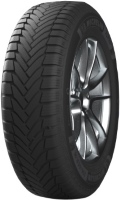
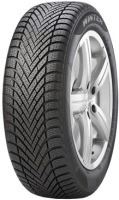
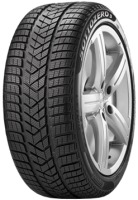
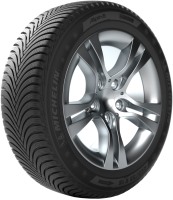
Famous and not so brands
Here you immediately need to make a reservation - there is no perfect selection formula. However, you need to understand that a highly quoted name does not mean at all that the entire range of the brand is equally good. But still, the name and the history behind it largely insure against an unsuccessful acquisition.
 |
| A highly rated brand name does not mean that its entire lineup is equally good. But still, the name and the history behind it largely insure against an unsuccessful acquisition. |
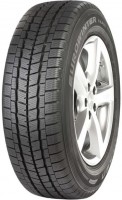
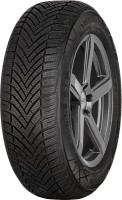
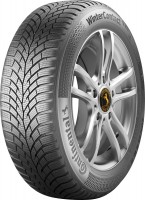
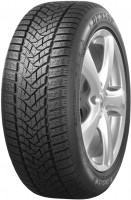
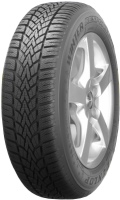
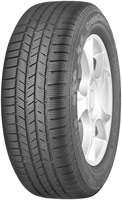
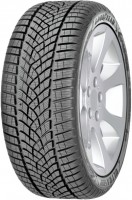
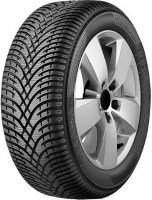
Ukrainian and Russian brands are best avoided - buying their tyres, you play the lottery, where too much is at stake. Of the foreign eminent players, you must definitely name Continental, Bridgestone, Gislaved, Nokian, Goodyear, Michelin - their products have proven themselves not only abroad, but also in our difficult conditions. If the price of these brands is out of your budget, you can turn to less expensive brands: Firestone, Barum, Fulda, most of which cooperate with more famous ones. Often a lesser-known brand tyre is actually a reworking of an outdated production model from a leading company.
There is an opinion that subsidiaries of famous brands are in no way inferior to them in the quality of rubber, but they ask for significantly less for their products. Unfortunately, it is not. The technological process, raw materials, quality control level differ. The belonging of the same Firestone to Bridgestone does not at all allow putting an equal sign between these brands.
Experience of other users
Even well-known manufacturers have unsuccessful models. Conversely, sometimes a model from a lesser-known brand can be very successful. And no characteristics, no description will allow you to find out. Therefore, it will not be superfluous to first read the reviews of other users, try to find articles that describe the testing of various tyres.
The winter season is the most difficult to operate a car, even in countries with a relatively mild climate.
The choice of summer tyres should be approached no less carefully than winter tyres.
Contenders for the role of the first transport of twins with the arrangement of seats side by side and one behind the other.
Links in the chain needed to create an over-the-air Internet connection.
We choose floor acoustics that can satisfy your musical and cinematic tastes.