
3D printers for printing with PVA plastic
prices on 3 modelsPVA (polyvinyl alcohol)
— a material known to many by PVA clerical glue. In 3D printing, it is used in printers as an additional one, similar to HIPS (see the relevant paragraph): supports and other auxiliary elements are printed from PVA, which must be removed from the finished product. Such printing can be done both by two extruders, using two different materials at once, or by one, in turn.Anyway, this type of thermoplastic has two important advantages over HIPS. Firstly, PVA dissolves in water, which eliminates the need to look for special solvents. Secondly, it can be used not only with ABS, but also with other base materials. The main disadvantage of PVA is associated, again, with solubility in water: printing consumables must be stored in the most dry conditions, since even high humidity can worsen their properties.
When you make a purchase through links on our site, we may receive a affiliate commission.
 |
Technology:FDM/FFF, Bed Slinger (Core XZ) Filament material:ABS, ASA, Carbon, PC, PETG, PLA, PVA, TPU Extruder:heating t 300 °C Heating bed:100 °C Completed object:260x260x260 mm, volume 17.6 L | Price from £232.99 up to £501.00 Compare prices and buy Anycubic Kobra X 2 stores 3 offers Loading online stores list. |
 |
Technology:FDM/FFF, Core XY Filament material:ABS, ASA, PETG, PLA, PVA, TPU Extruder:2, heating t 300 °C Heating bed:100 °C Completed object:270x270x270 mm, volume 19.6 L |
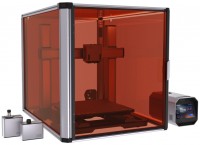 |
Technology:FDM/FFF, Bed Slinger (Core XZ) Filament material:ABS, ASA, HIPS, Nylon, PETG, PLA, PVA, TPU Extruder:2, heating t 300 °C Driver:TMC2209 Heating bed:110 °C Completed object:400x350x400 mm, volume 64 L | Price from £1,225.49 up to £2,212.00 Compare prices and buy Snapmaker Artisan 1 store 2 offers Loading online stores list. |
